What matters when making lemonade for guests?
Decide whether you want to collect lemon juice for a shared jug or serve glasses individually. Then compare pulp handling, washing and storage for the exact models that fit that serving plan.
| Concern | What to check | Who this matters to |
|---|
| Batch size and serving |
Check where the juice collects, the stated container capacity and whether you can pour it neatly into a serving jug. |
If I want the lemonade mixed before everyone sits down, I need to collect and measure lemon juice rather than fill glasses one by one. Around 36% of consumers put batch preparation first. |
| Pulp, pips and drips |
Look for the exact model’s filter or pulp settings and, for direct serving, its spout arrangement. |
When I pour drinks beside guests, keeping pips out and drips off the worktop takes priority. Clean serving comes first for roughly 29% of consumers. |
| Simple citrus-only use |
Compare dimensions, storage features and removable parts; do not use wattage alone as a shortcut for suitability. |
If lemonade is an occasional treat, I want an appliance I can store and set up without taking on functions I will not use. About 21% of consumers prioritise straightforward citrus-only use. |
| Use beyond lemonade |
Check which attachments handle citrus and which other ingredients you realistically plan to prepare. |
If the same machine will regularly handle other fruit or vegetables, those functions matter more to me than a lemonade-only routine. Broader use is the main priority for around 14% of consumers. |
Joybuy citrus juicers for lemonade
These electric citrus juicers offer ways to collect juice for lemonade. Compare the stated container arrangement and pulp handling before choosing one for a batch.
 No image available
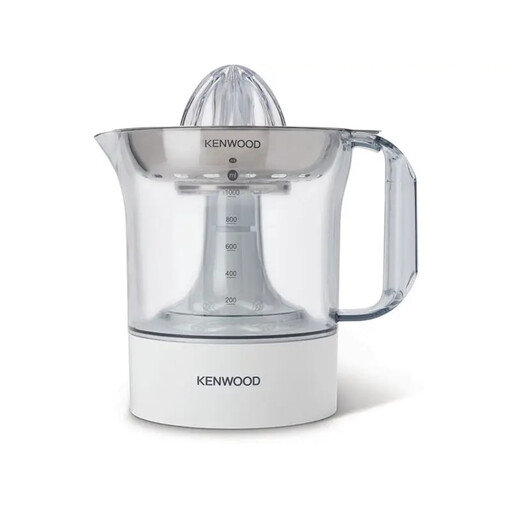
Kenwood JE290A Citrus Juicer, White
Suited to squeezing lemons before mixing a shared jug of lemonade.
Kenwood specifies a 1L measuring cup with a pouring lip and a stainless-steel filter for pulp and pips on this model.
Check the applicable electrical conformity information before buying.
View on Joybuy
 No image available
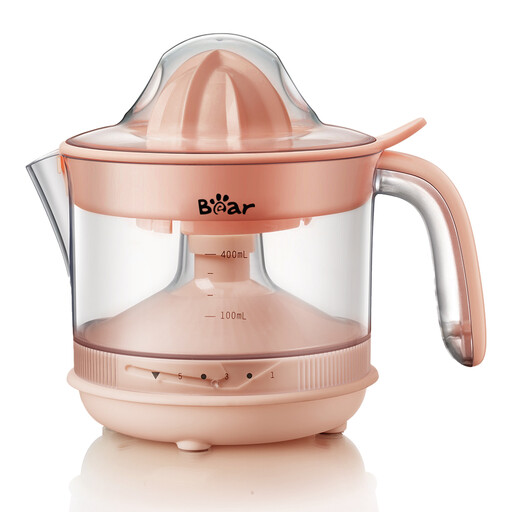
Bear CZJ-A04B1 Citrus Juicer
Consider this citrus press if adjusting the pulp in lemonade matters to your guests.
The product title states five adjustable pulp levels. Confirm the juice-collection capacity and container arrangement if you plan to prepare several servings at once.
Check the electrical specification and applicable conformity information for where you will use it.
View on Joybuy
 No image available
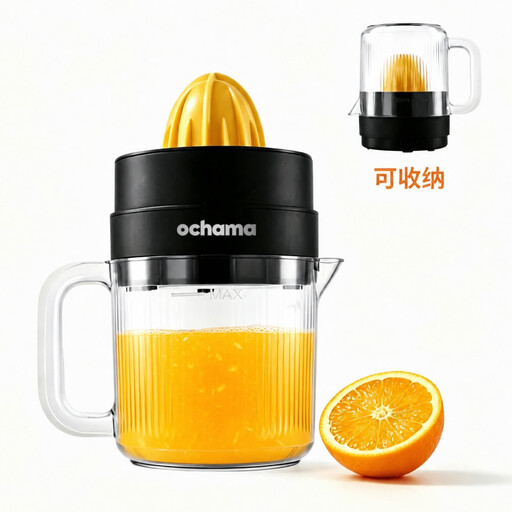
ochama Electric Citrus Juicer, 1.4L, 30W
A citrus-press option for homemade lemonade when you want to collect juice before serving.
The listing states 1.4L and 30W and describes pulp separation. Confirm what the stated capacity measures rather than treating it as the amount of juice the container can hold.
Check the electrical specification and applicable conformity information for where you will use it.
View on Joybuy
Common questions about citrus juicers
Should I collect lemon juice in a container or press it into glasses?
Collect it in a measured container if you want to mix lemonade for several friends before serving; choose direct-to-glass pressing for smaller, made-to-order rounds. Kenwood specifies a 1L measuring cup for the JE290A, while Braun describes direct serving and a spout for glasses up to 14 cm on the CitrusQuick 5 range.
How can I keep pips, pulp and drips out of the serving area?
Check the exact model for a filter, adjustable pulp settings and an anti-drip spout. Kenwood specifies a filter for the JE290A, Braun lists five pulp settings for the CJ3000WH, and Braun CitrusQuick 5 and Smeg describe spouts designed to limit drips.
Can citrus-juicer parts go in the dishwasher?
Follow the washing instructions for the precise model and part. Smeg states that parts of its cited citrus juicer are dishwasher-safe, and Magimix says the removable parts of the Juice Expert 3 are dishwasher-safe; neither statement covers another model or its motor base.
Is CE marking recognised instead of UKCA marking in Great Britain?
Yes, where the applicable requirements are met: Department for Business and Trade guidance dated August 2026 says Great Britain continues to recognise CE marking alongside or instead of UKCA marking. The Office for Product Safety and Standards also states that the Electrical Equipment (Safety) Regulations 2016 set requirements before electrical equipment is placed on the Great Britain market. Check the information for the particular product; Great Britain guidance does not automatically describe Northern Ireland arrangements.


