What matters when choosing?
Decide how much pressing you expect to do, then check whether the collection and cleaning arrangements suit the way you serve drinks.
| Concern | What to check | Who this matters to |
|---|
| Repeated pressing |
Look for a lever or assisted arm, and confirm that the cone handles lemons. |
When I have several lemon halves to squeeze, I want to limit sustained hand pressure. Around 42% of consumers put pressing effort first. |
| Serving and cleanup |
Check the spout or pouring arrangement and which exact removable parts are dishwasher-safe. |
If I am pouring drinks while friends wait, I want to contain drips and wash the juice-contact parts without fuss. Tidy serving and cleanup come first for around 33% of consumers. |
| Measured batches |
Compare the stated working capacity with your recipe; check the supplied cones and pulp filters. |
I would rather collect juice before mixing drinks, but need to know whether the container holds the amount my recipe calls for. A defined batch is the main priority for around 25% of consumers. |
Joybuy citrus juicers
These electric citrus juicers offer options for collecting a batch or adjusting pulp when making lemon drinks. Check the pressing method and supplied electrical setup for the exact unit before choosing.
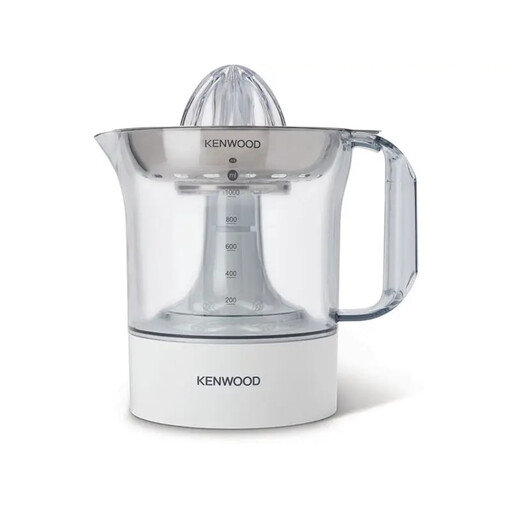 Image unavailable
Kenwood JE290A Citrus Juicer, White
Consider this for preparing lemon juice before serving guests if its collection and pouring arrangement suits your recipe. Check the pressing method, cleaning instructions and supplied plug and voltage for the unit you order.
View on Joybuy
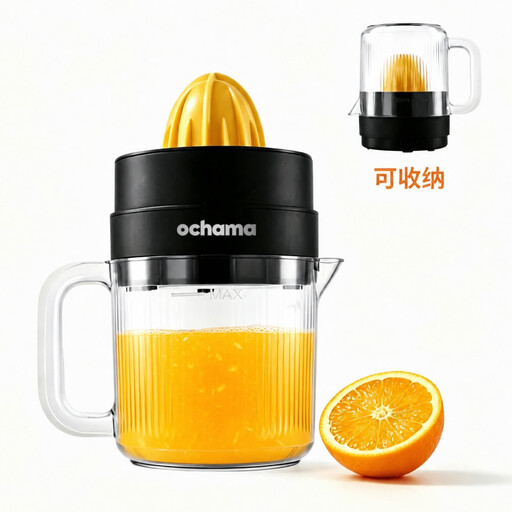 Image unavailable
ochama Semi-Automatic Electric Citrus Press, 1.4L
The stated 1.4L container offers a capacity to compare with your lemon-drink recipe; the product title also specifies 30W. Check how much downward pressure its semi-automatic mechanism requires, how its parts are cleaned and the supplied plug and voltage.
View on Joybuy
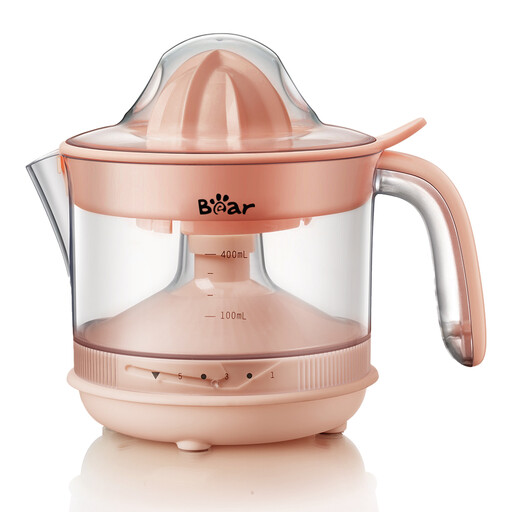 Image unavailable
Bear CZJ-A04B1 Citrus Juicer, 5 Pulp Levels
This lemon juicer may suit occasional preparation when adjusting pulp matters more than collecting a stated batch size. Its title specifies five adjustable pulp levels; check the collection volume, pressing method, cleaning instructions and supplied plug and voltage before buying.
View on Joybuy
Common questions
Do I need a lever press for lemons when friends visit?
A lever press is worth considering if you will squeeze many lemon halves and want to reduce sustained hand pressure. For occasional small quantities, a pressure-start reamer may be sufficient; check the mechanism on the exact model.
Can I put a citrus juicer’s parts in the dishwasher?
Only put in the parts that the exact model’s instructions identify as dishwasher-safe. Unplug the appliance before cleaning; detachable cones, filters and containers should not be treated as dishwasher-safe solely because they can be removed.
Does a citrus juicer for Great Britain need a UKCA mark rather than a CE mark?
Not necessarily. GOV.UK guidance dated 31 March 2026 says CE marking continues to be recognised alongside or in place of UKCA marking for relevant products placed on the Great Britain market, subject to applicable product requirements. Great Britain here means England, Scotland and Wales; for delivery to Northern Ireland, confirm the applicable marking and documentation with the seller or manufacturer.
What should I check about support before ordering?
Check the warranty terms for the exact model, including its duration, covered parts and where support is provided. Also read the seller’s return conditions separately rather than assuming one manufacturer’s warranty applies to another juicer.
Can an old electric citrus juicer go in household rubbish?
Electrical products bearing the crossed-out wheelie-bin symbol should not go in household rubbish, according to GOV.UK consumer guidance. Use an appropriate electrical-waste collection route when the juicer reaches the end of its life.


