Small-batch dressing makers
You mainly squeeze lemons, limes or occasional oranges for dressings, marinades and finishing sauces. Storage space and washing up matter more to you than collecting a large volume of juice.


For small batches of citrus juice for dressings, start with an electric citrus press that is practical to empty, clean and store. Choose adjustable pulp control if texture matters; consider direct-serve features or a larger press if you also juice citrus frequently for other uses, checking those features on the exact model.
You mainly squeeze lemons, limes or occasional oranges for dressings, marinades and finishing sauces. Storage space and washing up matter more to you than collecting a large volume of juice.
You want to choose how much pulp goes into a dressing. A model-specific pulp selector is more useful to you than judging the appliance by its motor rating alone.
You juice citrus often for cooking or drinks as well as dressings. How the press starts, where the juice flows and how you handle drips may affect your choice.
Start with the amount of juice you usually need, then decide whether cleaning, pulp control or repeated-use convenience would make the greater difference in your kitchen.
| Concern | What to check | Who this matters to |
|---|---|---|
| Batch size | Compare bowl or jug capacity with the number of citrus fruits you usually juice. | If I make one dressing at a time, I would rather empty a small bowl when needed than store an oversized appliance. Around 36% of consumers would put right-sized output first. |
| Cleaning and storage | Check which removable parts are dishwasher-safe and whether the appliance fits where you will store it. | When I make a quick dressing, lengthy washing up or awkward cupboard storage could put me off using a juicer. For roughly 29% of consumers, easy cleaning and storage would be the main concern. |
| Pulp level | Look for adjustable pulp control on the exact model, or plan to strain the juice separately. | I want to decide whether the citrus juice makes my dressing smooth or leaves visible pulp. About 21% of consumers would prioritise that texture choice. |
| Frequent use | Check how the press starts and whether that model has direct-serve or anti-drip features. | If I juice citrus repeatedly for cooking and drinks, reducing handling and worktop drips matters more to me. Approximately 14% of consumers would make frequent-use convenience their first priority. |
A larger fruit-and-vegetable juicer may take up space and create more to clean when you only need citrus juice for dressings. Which? assesses general juicers and lemon squeezers as distinct product categories.
Compare electric citrus presses first. Consider a general juicer if you also intend to juice other fruit or vegetables.
A larger appliance can also claim cupboard or worktop space between uses.
A motor rating describes an electrical specification, not how much juice a press will extract from your fruit or how conveniently it handles a small batch.
Compare capacity, pulp control and cleaning arrangements alongside wattage rather than choosing by the highest number.
Braun describes direct serving for CitrusQuick 3, 5 and 7 models. Its CitrusQuick 1 CJ3000WH has a different set of listed features, including pressure-activated operation and five pulp settings.
Check the full model number if direct serving or drip control is important for your worktop.
Electrical appliances need an appropriate end-of-life route. GOV.UK sets out the UK framework for waste electrical and electronic equipment, while collection arrangements are local.
Check your council’s instructions for electrical recycling or collection before disposing of the juicer.
Braun’s CitrusQuick range includes compact bowl-style models and separate models described for direct serving.
The Philips HR2744/41 is a jug-style citrus press for buyers who want to collect juice before adding it to a dressing.
Sage the Citrus Press illustrates a more substantial countertop option to consider if citrus juicing extends beyond occasional dressings.
These electric citrus juicers offer different ways to collect juice or manage pulp for dressings. Compare their exact variants with the batch size, texture and storage needs that matter to you.
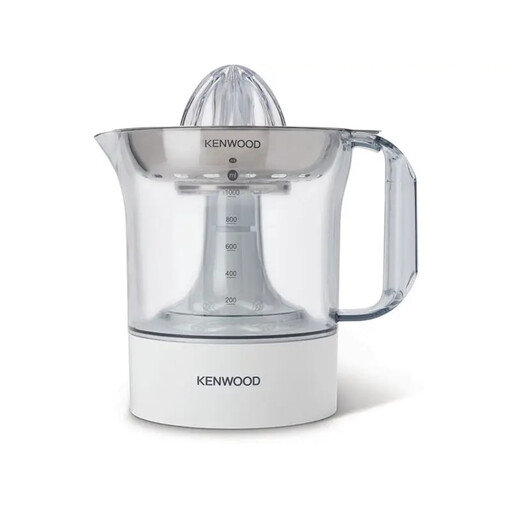 No image available
Consider this model if you want an electric citrus juicer for collecting juice before mixing a dressing.
If batch size or washing up will drive your decision, check the jug capacity and cleaning instructions for this exact model.
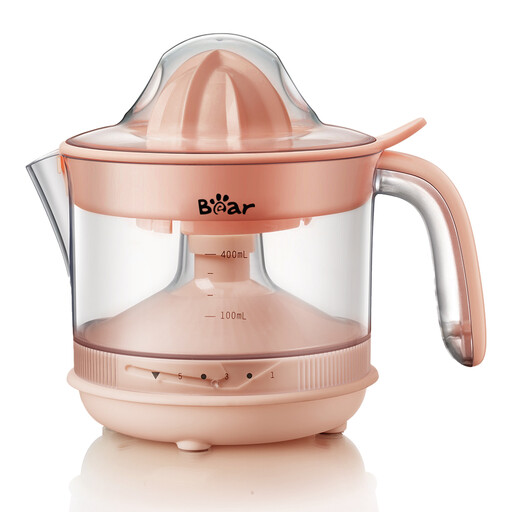 No image available
Consider this model if choosing the pulp level is important for the texture of your dressing.
Its title specifies five adjustable pulp levels and a 110 mm feed chute. Check its collection capacity, dimensions and cleaning instructions against your routine.
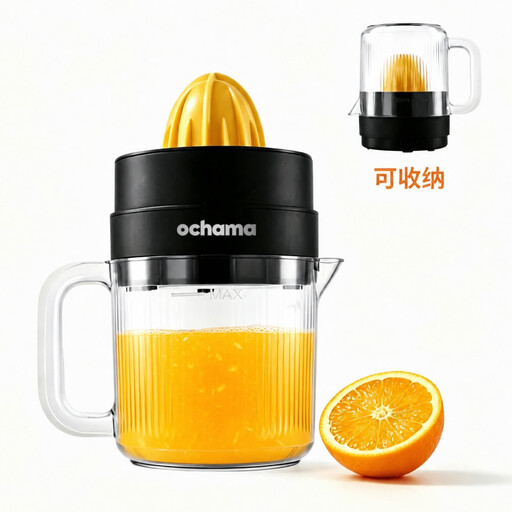 No image available
Consider its larger container if you also collect citrus juice for uses beyond a single dressing.
The title specifies a 1.4 L container, 30 W rating and pulp separation. Check the appliance’s dimensions and whether its pulp and cleaning arrangements suit the way you prepare dressings.
An electric citrus press is the more relevant category to compare if you only intend to juice lemons, limes and oranges. Consider a general fruit-and-vegetable juicer if you also want to process other produce; Which? treats general juicers and lemon squeezers as distinct categories.
Choose a model with adjustable pulp control if you want the appliance to vary the texture. Philips lists a pulp selector for the HR2744/41, and Braun lists five pulp settings for the CJ3000WH; you can also strain juice separately when a recipe calls for less pulp.
Check its dimensions, cord storage and the cleaning instructions for removable parts. Philips lists cord storage and dishwasher-safe parts for the HR2744/41; for a larger countertop option, compare the available space with the dimensions stated for the exact model.
Check the warranty terms for the exact model and seller before ordering. In particular, confirm what is covered and how to request service rather than assuming the same terms apply across a brand’s range.
Check your local council’s electrical-recycling or collection instructions rather than putting the appliance in an ordinary household bin. GOV.UK sets out the UK waste electrical and electronic equipment framework, and Coventry City Council specifically advises residents not to put electrical appliances in household bins; local collection arrangements differ.