Frequent citrus juicers
If you regularly squeeze lemons for drinks or make larger batches, a lever and direct-serving spout may matter more than a small footprint. Sage describes both features on its Citrus Press.


For a few lemons at a time, consider a compact bowl-style juicer if measured collection or pulp control matters most. For frequent citrus juicing, a lever-operated press offers a different way to apply downward pressure; weigh that against the space it takes, and check the cone, cleaning instructions and electrical suitability of the exact model.
If you regularly squeeze lemons for drinks or make larger batches, a lever and direct-serving spout may matter more than a small footprint. Sage describes both features on its Citrus Press.
For dressings, baking or a few drinks, a collection bowl and a choice of pulp levels may be useful. Braun specifies both for its CitrusQuick 1 CJ3000WH.
If drips and washing up influence the choice, compare spout designs and check exactly which parts can go in a dishwasher. Those instructions vary by model and component.
Start with how often you squeeze lemons and whether you want to press fruit directly onto a reamer or use a lever. Then compare the collection format, cleaning requirements and electrical details of the model you would buy.
| Concern | What to check | Who this matters to |
|---|---|---|
| Repeated pressing | Look for a lever-operated handle and a cone specified for small citrus; check whether the spout serves directly into a glass. | If I juice citrus regularly, I want the handle to apply downward pressure rather than press every half directly onto a cone. Around 40% of consumers put reduced pressing effort first. |
| Recipe-sized batches | Compare bowl capacity and pulp settings with the quantities you usually prepare, as well as the space needed to store the appliance. | For baking or dressings, I want to collect a small amount and choose how much pulp stays in it. This is the main concern for around 30% of consumers. |
| Drips and clean-up | Check for a drip-control spout and identify which specific removable parts the instructions say are dishwasher-safe. | When I finish squeezing, I want to avoid juice on the worktop and keep washing up manageable; around 20% of consumers prioritise this need. |
| Electrical suitability | Confirm the plug, electrical rating and product information for your delivery location rather than relying on photographs. | Before using an electrical appliance in my kitchen, I want to know it is supplied for my location. Around 10% of consumers make that their primary concern. |
A product photograph does not establish its plug, electrical rating or suitability for the delivery location.
Check the seller’s stated plug, rating and product instructions before ordering. Electrical Safety First advises choosing a juicer with a standard UK three-pin plug and fuse.
Rated wattage describes an electrical specification, not how much juice a particular lemon will produce. Cone design, pressing method and pulp collection also affect which format meets your needs.
Choose the operating format and relevant features first; do not treat a higher wattage alone as proof of better extraction.
Cleaning instructions apply to particular components, not automatically to everything that detaches from a juicer.
Check the exact model’s instructions, keep the electrical base out of the dishwasher unless its manufacturer expressly permits otherwise, and unplug the appliance before cleaning.
A lever may suit repeated use, while a smaller collection-bowl format may be more convenient for occasional recipe quantities.
Compare the appliance dimensions and collection capacity with where you will use and store it.
A press that does not fit your usual storage space may have to remain on the worktop between uses.
Sage’s Citrus Press BCP600SILUK represents the lever-operated option for consumers who regularly squeeze citrus and want direct serving.
Braun’s CitrusQuick 1 CJ3000WH is a collection-bowl option for smaller lemon batches and pulp preferences.
Smeg’s CJF11PBUK is a pressure-activated electric reamer for consumers considering a spout-serving format.
These electric citrus juicers offer collection-container and press-down options for lemon juice. Compare their stated features with your usual batch size, and confirm the electrical and cleaning details that matter to you before buying.
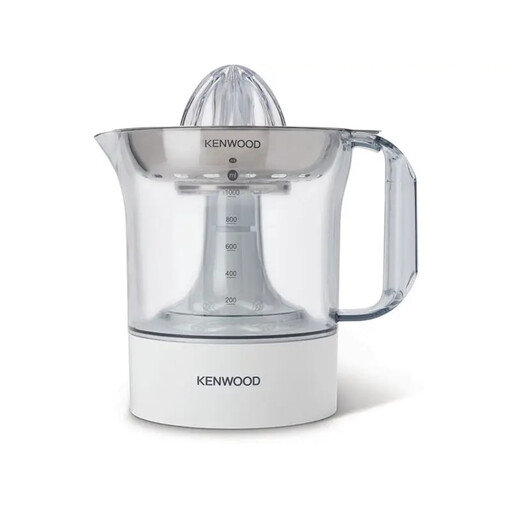 No image available
Consider this model if you want a collection-style juicer for lemons rather than a separate lever press. Check its collection capacity, cleaning instructions and plug details against your needs.
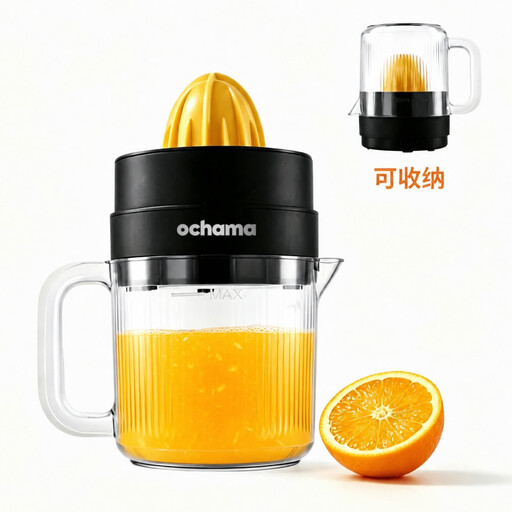 No image available
The stated 1.4 L capacity may be relevant if you collect more juice at a time; consider whether that capacity suits your usual lemon batches. The title specifies a 30 W motor. Check the plug, pulp adjustment and cleaning instructions for the exact model.
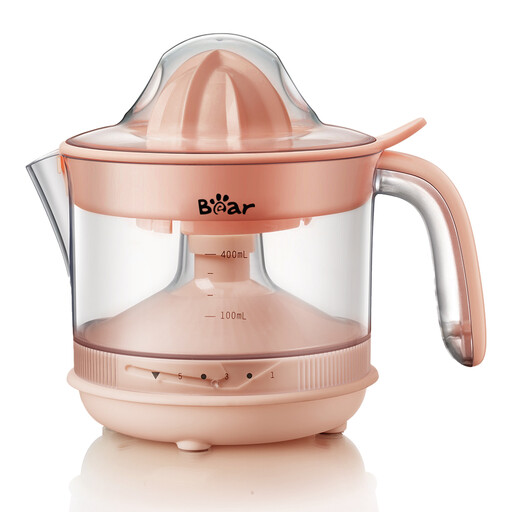 No image available
Consider this model if choosing a pulp level for lemon juice is important: its title specifies five adjustable levels. Confirm its capacity, plug and cleaning instructions before deciding. Follow the product safety warning to keep it away from children under six and unplug it before cleaning or disassembly.
Some models are specified for both smaller and larger citrus, but check the cone on the exact model. Sage describes its Citrus Press cone as suitable from limes to grapefruit, while Smeg describes a universal reamer on the CJF11.
Only parts identified as dishwasher-safe in the model’s instructions should go in. Sage lists the cone, juice collector, filter basket and fruit dome as dishwasher-safe on its Citrus Press; do not apply that list to another model or to the electrical base.
Keep the appliance away from the sink and spills, and unplug it before cleaning. Electrical Safety First also advises checking for a standard UK three-pin plug and fuse; follow the instructions supplied with your particular juicer.
A local household waste recycling centre can accept waste electrical products, according to GOV.UK. Keep the juicer separate from ordinary household waste when taking it for recycling.