Office dressing makers
If you press a little lemon, lime or orange juice when making dressings, focus on an appliance you can use without leaving pulp or drips for the next person.


For occasional dressing preparation, choose an electric citrus juicer that fits the shared counter and has a manageable cleaning routine; a commercial machine is more relevant to frequent, larger batches. If several colleagues press citrus regularly, a lever-operated model may suit the way they work, but check its size and washable parts. Before bringing any model into the office, agree who cleans it and confirm that it suits the workplace electrical arrangements.
If you press a little lemon, lime or orange juice when making dressings, focus on an appliance you can use without leaving pulp or drips for the next person.
If you look after the communal kitchen, consider how users will wash juice-contact parts, clear the worktop and follow the office’s electrical-equipment arrangements. GOV.UK’s cleaning guidance applies specifically to food businesses; the Health and Safety Executive also advises checking that electrical equipment suits its intended use.
If juice preparation happens repeatedly as part of catering or service, a commercial-format machine may be worth considering. Check its size and weight against the space available: foodservice supplier FEM lists the Hamilton Beach Commercial 66900-UK at 5.78 kg.
For juice used in office dressings, decide how often the juicer will be used before comparing formats. Then check cleaning, counter fit and fruit-size compatibility on the particular model.
Consider it when: Colleagues make small amounts of citrus juice occasionally and want a straightforward counter or cupboard appliance.
Allow for: Someone still needs to halve the fruit and clean the reamer and juice-contact parts after use.
Consider it when: Several colleagues will press citrus regularly and prefer a handle for applying pressure; Sage describes this arrangement on its Citrus Press.
Allow for: A citrus press extracts juice but does not blend or emulsify a finished dressing.
Consider it when: Preparation resembles regular catering service rather than occasional dressing-making.
Allow for: A commercial model needs an appropriate worktop or storage space; FEM lists the Hamilton Beach Commercial 66900-UK at 218 × 318 × 409 mm and 5.78 kg.
| Concern | What to check | Who this matters to |
|---|---|---|
| Cleaning after shared use | Identify which juice-contact parts come off for washing and which are dishwasher-safe; agree who clears pulp and cleans up after each use. | If I share the appliance with colleagues, I need to know it will be ready and clean when I reach for it. Around 36% of consumers put cleaning first. |
| Drips and counter space | Check the spout design, appliance dimensions and where it can sit near a suitable socket and sink. | With limited communal worktop space, I want to pour juice without leaving a sticky area for the next user. For around 29% of consumers, counter fit and mess control come first. |
| Repeated pressing | Compare the activation method, supplied reamers and stated fruit-size compatibility against how often the team will press citrus. | When several people prepare juice in one day, I care most about a pressing arrangement that fits repeated use. Around 21% of consumers prioritise that need. |
| Occasional small batches | Check that the appliance is intended for the citrus you use and that its format is practical to clean and put away between uses. | If I only need a little lemon or lime juice now and then, I do not want a machine designed around catering-scale use. Occasional-use fit comes first for around 14% of consumers. |
Removable parts still need to be emptied and washed, and juice can remain on the shared worktop. GOV.UK says a food business’s cleaning schedule should cover what is cleaned, how often and which products are used.
Agree who removes pulp, washes and dries the parts, and wipes the counter after use.
A commercial format can occupy substantial worktop or storage space. FEM lists the Hamilton Beach Commercial 66900-UK at 409 mm high and 5.78 kg.
Estimate how often colleagues will use it and which citrus sizes they press before deciding whether that format suits the office.
The Health and Safety Executive says annual portable appliance testing is not automatically needed for every appliance in a low-risk office. Equipment still needs to be suitable for its use and maintained so it does not create danger.
Follow the employer’s equipment policy, check the plug and cable for visible damage, and stop using damaged equipment pending appropriate assessment.
A citrus press or reamer extracts juice from citrus fruit; that does not establish that it can mix or emulsify oil and other dressing ingredients.
Choose the juicer for the citrus ingredient, and plan a separate mixing method if the dressing needs one.
Sage’s BCP600SILUK Citrus Press is a lever-operated option to consider where several people will press different sizes of citrus.
Smeg’s CJF11 line is a countertop option for occasional citrus pressing where the spout and cleaning arrangement matter.
The 66900-UK is a commercial-format option to assess for regular catering-style citrus preparation.
These electric citrus juicers are options to consider for extracting juice used in office dressings. Compare their cleaning arrangements and workplace fit before choosing one for a shared kitchen.
 No image available
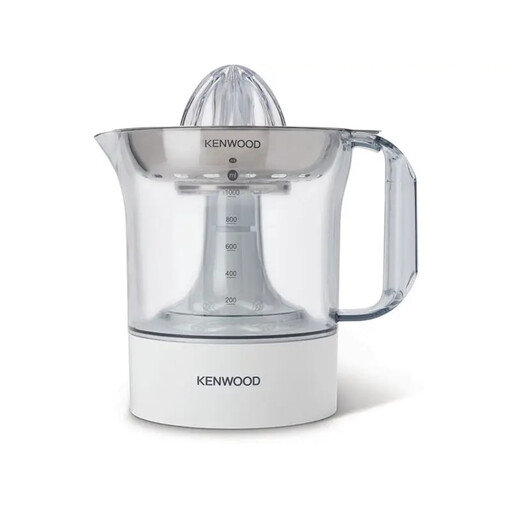
For citrus juice used in small batches of dressing, consider this model if its cleaning arrangement suits the people sharing it.
Check the juice-contact parts, pouring arrangement, plug and cable against the office’s cleaning and electrical requirements.
 No image available
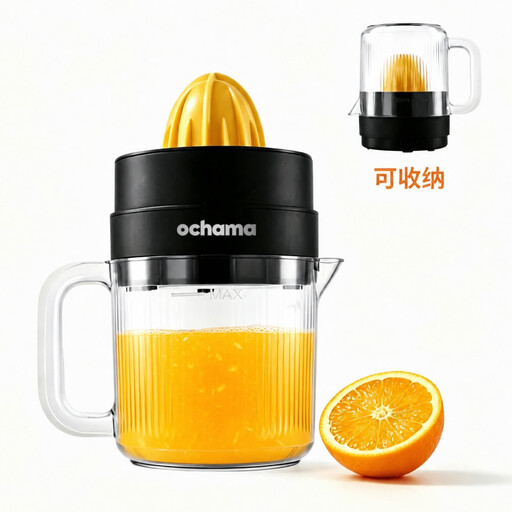
For pressing citrus juice as a dressing ingredient, consider this model if its capacity and cleaning method fit the office’s use.
The product name specifies a 1.4 L capacity, 30 W rating and pulp separation; those figures alone do not establish pressing speed.
Check how its parts are washed, whether its spout suits the shared worktop, and its dimensions and electrical connection before use.
Not automatically: the Health and Safety Executive says annual portable appliance testing is not required for every appliance in a low-risk setting such as an office. The appropriate checks and their frequency depend on the equipment, its environment and its condition; follow the employer’s maintenance arrangements.
Check that the appliance suits the intended work and electrical supply and is in sound condition. The Health and Safety Executive advises visual checks of the plug, cable and outer casing; unplug it before checking and stop using equipment with potentially hazardous damage.
A formal food-business cleaning schedule depends on whether the organisation operates as a food business. GOV.UK says food businesses should set out what is cleaned, how often and which products are used. For other shared offices, agreeing who cleans the juicer after use is a practical arrangement, not a claim that the same food-business requirement applies.
A citrus juicer extracts juice to use as an ingredient; it is not established as a tool for blending or emulsifying a finished dressing. If the recipe needs oil and other ingredients mixed together, use a suitable separate method.