
24/7 Customer Support

Free returns

Same-day & Next-day Delivery

Quality Guaranteed

Unlock Your Welcome Offers: FREE Delivery | Up to 80% OFF | Free 30-day JoyPlus trial
Download the APP
Replacing a cooker is rarely just a matter of choosing a colour. UK homes vary considerably in kitchen size, electrical supply, ventilation and cooking habits, so a model that looks suitable online may not work well in practice.
The main risks are often hidden in the specification sheet. A cooker can be advertised as “large” while offering limited usable oven space, or appear easy to install when it actually requires a dedicated hardwired connection. Before comparing electric cookers, check these common pitfalls.
A 60cm electric cooker is designed around a standard width, but the exact product dimensions can vary. Check the full height, width and depth, along with space for skirting boards, worktops and ventilation. Some freestanding models measure approximately 900mm high, while built-in ovens are designed for different cabinet arrangements.
If your kitchen is narrow, a 50cm freestanding electric cooker or compact electric oven may be more practical. Never rely on the product title alone; use the detailed measurements and installation instructions.
A double oven electric cooker can be useful for households preparing several dishes at once, but it may take up more space and cost more than a single cavity model. Conversely, a smaller oven may become frustrating if you regularly cook large roasts, several trays or batch meals.
Look at the individual cavity capacities rather than simply choosing “double oven”. For example, a cooker with a 68-litre main oven and 31-litre top oven offers a different arrangement from two similarly sized cavities.
Many full-size electric cookers have a high total connected load and require professional hardwiring by a qualified electrician. This is different from a worktop electric oven designed to plug into a suitable standard socket.
Before ordering, confirm the power requirement, cable arrangements, available circuit and installation location. Do not connect a hardwired cooker yourself. Also check that ventilation openings remain clear and that the appliance can be safely isolated for cleaning or maintenance.
Choose between:
For a standard family kitchen, a 60cm model may provide a practical balance of hob and oven space. Smaller households may prefer a 50cm or worktop format.
A ceramic hob cooker has a smooth glass surface that is generally easy to wipe after it has cooled. It provides four cooking zones on many full-size models, but heat remains on the surface after switching off, so care is required around children and pets.
Solid plate hobs are often selected for their straightforward design and familiar rotary controls. They may take longer to heat and cool than ceramic zones, but can suit buyers who prioritise simple operation.
Check the number and layout of zones, the recommended pan sizes and whether the controls are positioned safely away from the hottest areas.
A fan-assisted oven circulates heated air around the cavity, which can support more even cooking across shelves. A conventional oven uses top and bottom heating elements and may suit recipes or cooking styles that specify static heat.
Useful features include:
Energy labels should also be checked carefully. Models listed as an A-rated electric cooker, A or A+ should be compared using the official product specification and the appliance’s stated energy information. An energy rating does not guarantee a particular household saving, as actual consumption depends on cooking time, temperature, cavity size and frequency of use.
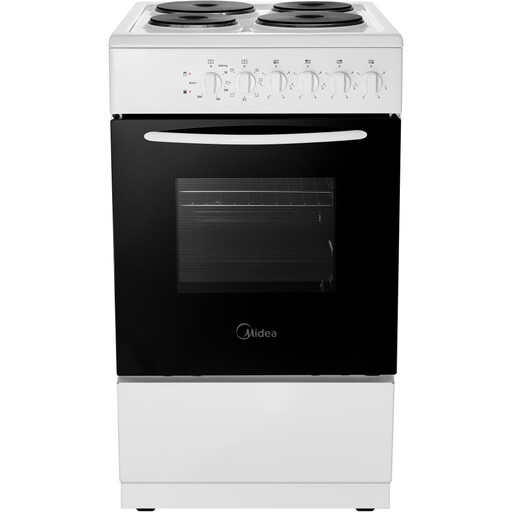
Why This Fits Their Persona: Its 50cm width can suit flats, smaller kitchens and straightforward replacement projects where space and simple controls matter.
The specification clearly states its 50cm format and 52-litre single oven, helping buyers avoid assuming that every full-size cooker has the same footprint or capacity.
A-rated efficiency class, four-zone sealed solid plate hob, easy-clean enamel and removable inner door glass.
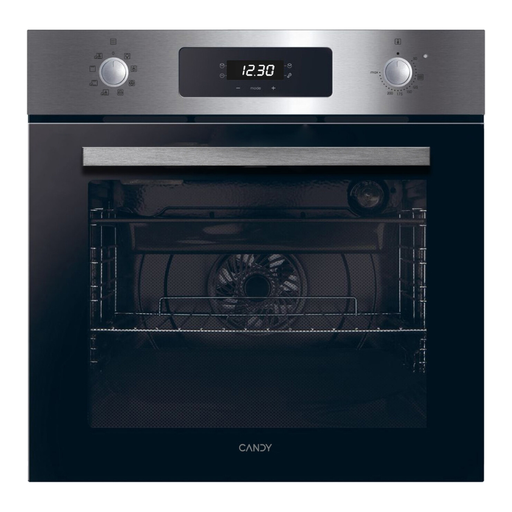
Why This Fits Their Persona: A built-in format with 70-litre capacity and multiple cooking functions suits kitchen upgrades where appearance, space and flexibility are priorities.
The listed cut-out dimensions, capacity and eight functions make it easier to check cabinet compatibility and avoid paying for unspecified features.
70-litre cavity, A+ energy class, integrated grill, touch LED timer and hydrolytic cleaning cycle using water.
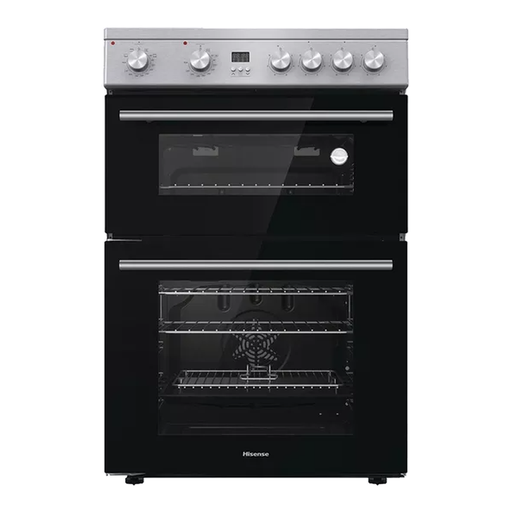
Why This Fits Their Persona: Two cavities, a fan-assisted main oven and four ceramic zones provide useful separation when preparing family meals or several dishes.
The product details specify a 68-litre main cavity, 31-litre top oven, integrated grill and 60cm dimensions rather than using capacity claims without measurements.
Fan-assisted main oven, catalytic liners, programmable LED timer, double glazing and a two-year manufacturer warranty.
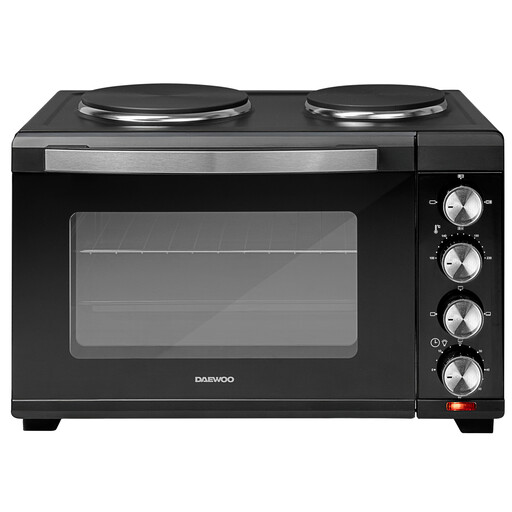
Why This Fits Their Persona: Students, tenants, holiday-home owners and households needing supplementary cooking space may value its movable worktop design.
Its stated 32-litre capacity, 500 × 400 × 300mm approximate dimensions and plug-in design help set realistic expectations for compact cooking.
32-litre oven, two independently controlled hotplates, conventional and grill modes, 60-minute timer and enamelled interior.
We have compiled a complete, real-time list of products that fully satisfy these strict selection criteria and UK safety regulations.
Many full-size freestanding electric cookers do. The requirement depends on the appliance’s total power load and manufacturer instructions. A qualified electrician should check the circuit and complete the connection. Some compact electric ovens use a standard plug, but the specification must be confirmed before purchase.
Running cost depends on the cooker’s energy consumption, cooking temperature, meal size, usage frequency and domestic electricity tariff. An A-rated electric cooker may support more economical operation than a lower-rated alternative, but the rating should not be treated as a guaranteed bill saving. Use timers, avoid unnecessary preheating and match the pan size to the cooking zone.
Lifespan varies according to build, frequency of use, cleaning and maintenance. Keeping ventilation clear, avoiding impact damage to ceramic surfaces and following the manufacturer’s care instructions can help preserve performance. Check the warranty length and availability of replacement parts before ordering, particularly for a rental property or busy family kitchen.