
24/7 Customer Support

Free returns

Same-day & Next-day Delivery

Quality Guaranteed

Unlock Your Welcome Offers: FREE Delivery | Up to 80% OFF | Free 30-day JoyPlus trial
Download the APP
Living in a compact space like a university hall, a small flat or even a caravan shouldn't mean sacrificing the comfort of a home-cooked meal. Yet, juggling multiple pots and pans in a tiny kitchen can feel like an impossible task. If you're tired of takeaways and want a simple way to boil, fry and simmer without the clutter, an electric cooking pot could be the solution you're looking for.
These versatile gadgets are designed to be your all-in-one cooking station. As your Joybuy Product Recommendation Officer, my goal is to help you cut through the clutter and understand what to look for. This guide will walk you through the key features and offer some practical recommendations to help you find the right model for your needs.
Before you buy, consider these key factors to ensure you select an appliance that fits your lifestyle.
The right size and power depend entirely on how you plan to use your pot.
A quality cooking surface and reliable safety mechanisms are non-negotiable, especially in a shared or small living space.
The main appeal of a multifunctional electric pot is its ability to do many jobs. Consider what you'll be cooking most often. Do you need a steamer attachment for vegetables and dumplings? Or is your priority a portable hot pot you can easily use for communal meals? A detachable power cord and a compact, lightweight design make the appliance much easier to store and transport.
Here are a few models that stand out for their features, design and practicality.

Why It Stands Out: With a powerful 1600W heating element and three adjustable power modes (600W/1000W/1600W), this pot offers exceptional control and speed. It heats up quickly, making it perfect for everything from searing a steak to boiling water for a hot pot in minutes.
Pros:
Who is it for? This is an excellent choice for individuals or couples who want a single, powerful appliance that can handle varied and demanding cooking tasks quickly.
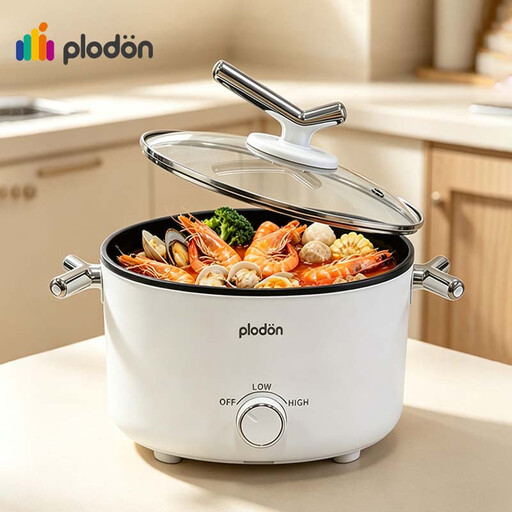
Why It Stands Out: This pot prioritises simplicity and reliability. Its straightforward dual-power control (Low/High) makes it incredibly easy to use, removing any guesswork. The compact design and cool-touch handles make it a practical and safe option for smaller kitchens.
Pros:
Who is it for? Ideal for students, office workers or anyone seeking a no-fuss electric noodle cooker for preparing simple, everyday meals like pasta, porridge and soup.
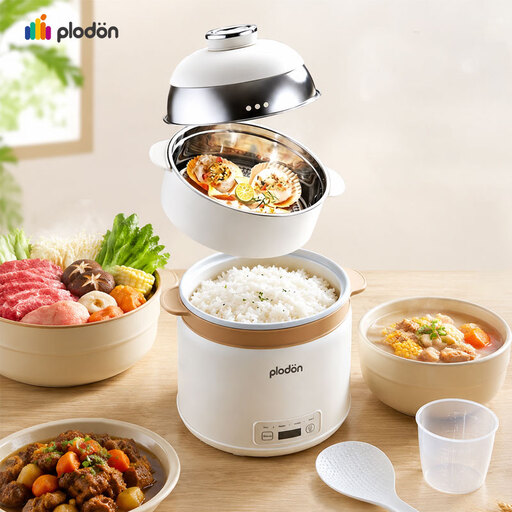
Why It Stands Out: This model brings smart convenience to the forefront with its one-touch control panel. Pre-set functions for rice, soup and porridge automate the cooking process. The included stainless steel steamer also allows you to cook vegetables or dumplings above while your main dish simmers below.
Pros:
Who is it for? Perfect for busy professionals or anyone who values "set-it-and-forget-it" convenience. Its ability to cook rice and steam simultaneously makes it a highly efficient kitchen tool.
An electric cooking pot opens up a world of easy meal possibilities. To get you started, you'll need some quality cupboard staples. For quick and satisfying meal bases that pair perfectly with steamed vegetables or a hearty soup, why not stock up?
Explore our range of Rice cereal to fill your cupboards.
1. Can you fry in an electric cooking pot? Yes, many models are suitable for light frying. Those with a non-stick electric frying pan surface and adjustable high-power settings can be used to cook eggs, stir-fry vegetables or sear small cuts of meat. Always refer to the manufacturer's guidelines for your specific model.
2. Are electric cooking pots safe for student halls? Most modern electric pots are designed with safety as a priority, commonly including features like overheating and boil-dry protection. This makes them a popular choice as a student hall cooker. However, it is always essential to check your university's specific regulations regarding electrical appliances in halls of residence.
3. How do I clean a non-stick electric pot? Cleaning is typically very simple. Once the appliance has cooled down completely, wipe the non-stick interior with a soft cloth or sponge, using warm water and a small amount of washing-up liquid. To protect the coating, avoid using metal utensils or abrasive scouring pads. Crucially, never submerge the entire unit or its electrical base in water.