
24/7 Customer Support

Free returns

Same-day & Next-day Delivery

Quality Guaranteed

Unlock Your Welcome Offers: FREE Delivery | Up to 80% OFF | Free 30-day JoyPlus trial
Download the APP
An electric food chopper and meat grinder can reduce preparation time, but choosing the wrong design may leave you with an appliance that is difficult to clean, too small for family meals or unsuitable for the ingredients you regularly prepare.
UK shoppers commonly compare wattage and price first. Those figures matter, but they do not tell the whole story. A practical purchase also depends on bowl material, operating limits, blade or mincing attachments, cleaning instructions and the type of food you want to process.
A 300W food chopper, 550W food chopper or 1600W meat grinder is not automatically suitable for every task. Wattage indicates the motor’s electrical rating or maximum output, depending on the product specification. It does not fully describe blade design, feed efficiency or permitted operating time.
A compact mini food chopper may be suitable for herbs, onions, garlic, nuts and sauces, while a dedicated electric meat mincer is designed around an auger, cutting blade and perforated grinding plates. Always match the appliance to the ingredients rather than selecting the highest number on the product page.
A large bowl does not mean you can fill it to the rim. Overfilling can produce uneven chopping and place additional strain on the motor. Small 350ml bowls are convenient for dressings, breadcrumbs and small portions, but may require several batches for a family meal.
Operating time is equally important. Some compact choppers specify short cycles, such as 40 seconds of operation followed by a two-minute rest. A meat grinder may allow longer use but still require cooling between batches. These instructions are important for meal preparation and motor longevity.
Cleaning claims need careful reading. A dishwasher-safe food chopper may include a bowl and blade that can go in the dishwasher, while its motor base must remain dry. Meat grinders can be more complicated: metal grinding heads, cutting plates and augers may require hand washing and thorough drying to reduce oxidation or rust risk.
Before buying, check exactly which components are dishwasher-safe. This small detail can make a noticeable difference when an appliance is used several times a week.
For light preparation, a 300W food chopper can offer a compact solution for herbs, onions, garlic, soft vegetables, dips and breadcrumbs. The Kenwood Mini Chopper, for example, has a 300W motor, two speeds and a pulse function for adjusting texture.
A 550W model offers more headroom for harder vegetables, nuts and larger portions, subject to the manufacturer’s instructions. The Haier Series 5 Chopper uses a 550W motor and double-stacked blades.
A dedicated 1600W meat grinder is more appropriate for frequent mincing or larger batches. The Kenwood MG510 is specified to process up to 2kg of meat per minute, although preparation, ingredients and operating conditions affect actual results. For any electric meat mincer, remove bones, tough sinew and skin, then cut meat into smaller pieces before feeding it into the hopper.
Capacity should reflect how you cook. A 350ml bowl suits one or two-person preparation, garnishes and sauces. A 2L bowl is more practical for family cooking, chopped vegetables and larger quantities of mince-style mixtures.
Glass bowls are useful when you want to see the ingredients during processing and may resist odours and scratches. The BEAR QSJ-D03W5 has a 2L glass bowl, while the BEAR QSJ-D03Q1 includes separate 2L and 0.6L glass bowls for different batch sizes. Check the listing carefully, as similar product names may have different configurations.
A kitchen food processor or vegetable chopper generally uses blades for chopping, blending or puréeing. A multifunctional meat grinder normally uses interchangeable plates to produce different mince textures.
For example, fine, medium and coarse plates allow different results for burgers, meatballs, chilli and other recipes. A meat mincer with sausage maker or kebbe attachment may be useful if you plan to prepare filled casings or shaped mixtures at home. These accessories add flexibility, but they also create more parts to assemble, clean and store.

Why This Fits Their Persona: A compact choice for flat shares, smaller kitchens and occasional preparation of herbs, onions, garlic, nuts, breadcrumbs, dips and sauces.
Its 350ml capacity makes its intended small-batch use clear, while the 30-second continuous-use warning helps prevent unrealistic expectations.
300W motor, two speeds plus pulse function; bowl and stainless steel blade are listed as dishwasher-safe.
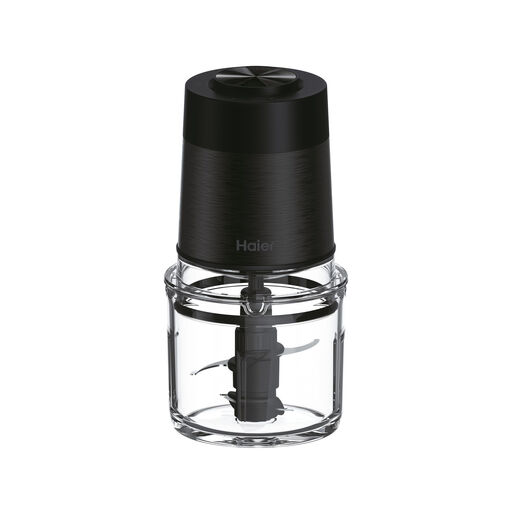
Why This Fits Their Persona: Suitable for cooks wanting a glass-bowl kitchen preparation appliance with more power for regular chopping and puréeing.
The two-speed control and specified double-stacked blade arrangement provide more information than wattage alone.
550W motor; glass bowl and blades are listed as dishwasher-safe, with an anti-slip base.
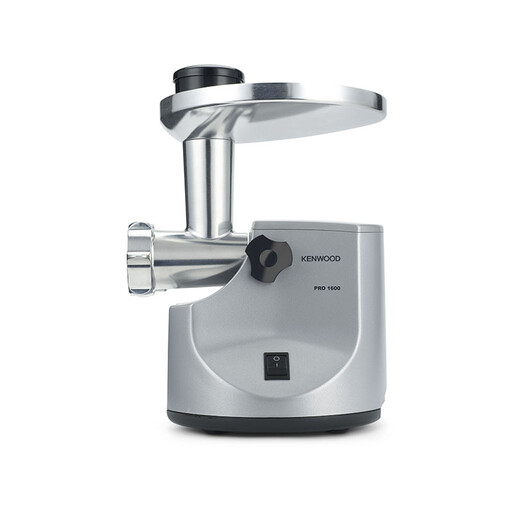
Why This Fits Their Persona: A larger dedicated appliance for families, batch cooking and shoppers who want sausage and kebbe attachments alongside everyday mincing.
It is a purpose-built mincer with three plates, overload protection and a stated maximum continuous use of 15 minutes.
1600W maximum power and three grinding screens; sausage maker and kebbe attachments included.

Why This Fits Their Persona: Two bowl sizes suit both quick weekday preparation and larger family batches, with separate blades for different ingredients.
The 0.6L and 2L bowls make capacity easier to match to the recipe, rather than relying on one oversized container.
Two glass bowls and two stainless steel blade sets; hidden safety lock and anti-slip base.
We have compiled a complete, real-time list of products that fully satisfy these strict selection criteria and UK safety regulations.
Some food choppers list meat among their suitable ingredients, but they are not the same as a dedicated meat grinder. A chopper uses rotating blades and is better for smaller portions or mixed preparations. A meat mincer uses an auger and grinding plates to produce a more uniform mince. Choose according to the texture and batch size required.
Running cost depends on the appliance’s power rating, operating duration and UK electricity tariff. A simple calculation is: watts ÷ 1,000 × hours used × your tariff. Since many chopping tasks take seconds or a few minutes, the electricity used per session is generally limited, although frequent heavy use will consume more than occasional preparation.
Lifespan depends on construction, cleaning, storage and whether the appliance is used within its stated limits. Avoid overfilling, hard prohibited ingredients and prolonged operation. Keeping blades sharp, drying metal parts and allowing the motor to cool can help maintain reliable operation over time.