
24/7 Customer Support

Free returns

Same-day & Next-day Delivery

Quality Guaranteed

Unlock Your Welcome Offers: FREE Delivery | Up to 80% OFF | Free 30-day JoyPlus trial
Download the APP
By the Joybuy Product Recommendation Officer
Buying an electric grinder can seem straightforward until you compare motor ratings, blades, accessories and operating limits. A compact appliance may be suitable for onions but unsuitable for coffee beans, while a powerful-looking motor may still struggle if the feed tube, cutting plate or cooling system is poorly matched to the task.
This guide explains the specifications that matter and highlights our Top Recommendations for 2026 for coffee enthusiasts, home cooks, parents preparing fresh food and DIY hobbyists.
A high wattage figure does not automatically indicate better grinding. Check whether the figure is rated power or a short-term maximum. For example, the Monsga G100 lists a 300W motor with up to 1200W maximum power. That distinction matters when comparing it with a food chopper rated at 300W or a coffee grinder rated at 72W.
Motor design, blade shape, burr size, ventilation and operating intervals also affect results. For kitchen appliances, follow the stated duty cycle rather than assuming that a higher number permits continuous use.
A coffee grinder, electric meat grinder and food chopper perform different jobs. Coffee beans need a controlled grind, often using a conical burr grinder, while meat requires an auger and cutting plates. A food chopper may process vegetables and prepared meat but may not be designed for coffee beans, grains, bones, ice or frozen food.
A baby food processor is also a specialist appliance. Its smaller capacity and one-button operation may suit small portions, but it is not a general-purpose replacement for a meat grinder or coffee grinder.
Removable parts are useful only if they can be cleaned correctly. Metal meat-grinder components may require hand washing and immediate drying rather than dishwasher cleaning. Similarly, the motor housing of a chopper or baby food processor should not be immersed in water.
Before buying, check the stated continuous operating time, cooling interval, overload protection and whether the power cable is detachable. These details can have more practical value than a long accessory list.
For a kitchen grinder, look for a clearly stated rated power and usage limit. The BEAR QSJ-D03W5 food chopper is rated at 300W, offers two speeds and specifies a maximum continuous working time of 40 seconds, followed by a two-minute rest. After three cycles, it requires a longer cooling period.
For DIY use, speed control is particularly important. A variable-speed grinder can reduce the risk of overheating delicate materials or damaging a small accessory. The HYCHIKA rotary tool operates from 8,000 to 35,000 RPM across six speed settings.
Capacity should match the portion size rather than simply being as large as possible. A 2L glass bowl can be useful for family meal preparation, while the Bc Babycare baby food processor has a 10oz capacity for smaller portions.
Coffee grinders should be judged by burr size, adjustment range and grounds control. The Starseeker E55 Pro uses a 55mm titanium-alloy conical burr and stepless adjustment, features intended to provide more control when changing grind settings for different brewing methods.
For kitchen appliances, stainless steel blades are practical because they are resistant to corrosion when cleaned and dried properly. The BEAR chopper uses three-dimensional 304 stainless steel blades and a visible glass bowl.
For an electric meat grinder, inspect the included plates and attachments. Fine, medium and coarse discs allow different textures, while sausage and kibbeh accessories broaden the intended use. For a DIY grinding tool, check collet sizes, accessory compatibility, maximum RPM and the security of the attachment system.
UK buyers should also check the product documentation, plug specification, voltage compatibility and relevant conformity marking supplied with the listing. A 220–240V appliance is generally aligned with UK domestic voltage, but users should still follow the supplied instructions and avoid using unsuitable adaptors or extension arrangements.

Why This Fits Their Persona: A practical option for everyday chopping of vegetables, prepared meat, garlic, onions and nuts in a UK home kitchen.
Its stated 40-second operating limit makes the duty cycle clear, helping buyers avoid treating a compact chopper as a continuous-use appliance.
2L glass bowl, two speeds and 304 stainless steel blades. The listing specifies 1100–2600 RPM.
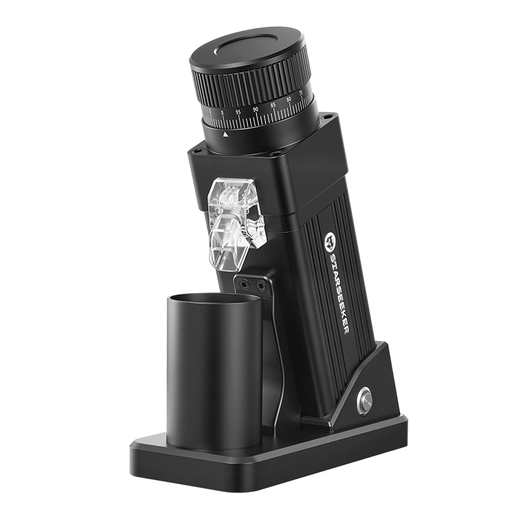
Why This Fits Their Persona: Suited to coffee drinkers who want adjustable grinding for home espresso and other brewing routines.
It is specified as a coffee grinder with a conical burr, rather than a general food chopper marketed for dry ingredients.
55mm titanium-alloy conical burr, 72W AC motor and stepless adjustment.
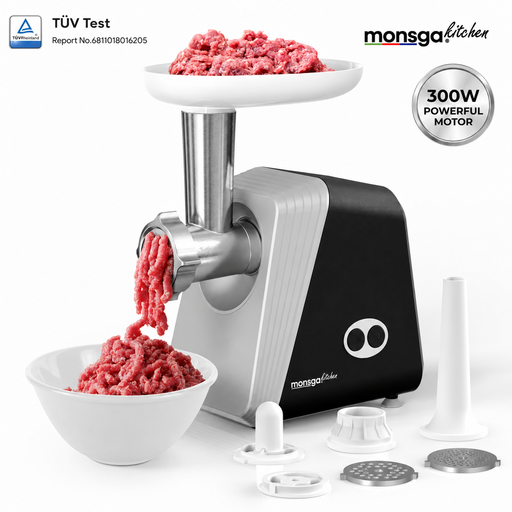
Why This Fits Their Persona: Designed for households preparing mince, sausages, kibbeh and batch meal ingredients.
The instructions specify small boneless pieces, a 3–5 minute maximum run and a 10–15 minute cooling interval between larger batches.
Three cutting discs, reverse function, sausage stuffer and overload and overheat protection.
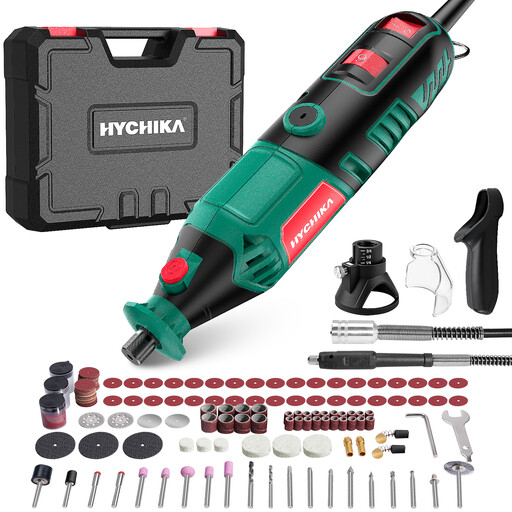
Why This Fits Their Persona: A corded rotary tool for engraving, polishing, cutting, sharpening, drilling and detail grinding in a home workshop.
Six speed settings provide more control than a single-speed tool, while the stated RPM range helps users match accessories to materials.
170W motor, 8,000–35,000 RPM, 1m flexible shaft and 173-piece accessory set.
For parents preparing small portions, the Bc Babycare Baby Food Processor has a 10oz capacity, one-button operation, automatic stop and stainless steel components. Use it only for ingredients and preparation methods permitted by the instructions, and clean the motor section without immersing it.
We have compiled a complete, real-time list of products that fully satisfy these strict selection criteria and UK safety regulations.
Running cost depends on wattage and usage time. A 300W appliance used for one minute consumes approximately 0.005kWh. Multiply this by your electricity tariff to estimate the cost. Short operating cycles, such as those specified for a food chopper, keep energy use relatively limited, although frequent batch preparation will increase total consumption.
Lifespan depends on workload, cleaning, storage and whether the appliance is used within its duty cycle. Avoid running a kitchen grinder empty, forcing ingredients into the feed tube or operating a rotary tool above its accessory limit. Unplug before cleaning or changing attachments, and keep ventilation openings clear.
Usually not. A multifunctional grinder may include several kitchen attachments, but coffee grinding requires burr control, meat processing requires an auger and plates, and chopping relies on a bowl and blade arrangement. Choose according to your main task, then consider accessories as a secondary benefit rather than the deciding factor.