
24/7 Customer Support

Free returns

Same-day & Next-day Delivery

Quality Guaranteed

Unlock Your Welcome Offers: FREE Delivery | Up to 80% OFF | Free 30-day JoyPlus trial
Download the APP
Navigating the world of at-home grooming can feel like a minefield. You invest in a new electric hair trimmer, hoping for sharp lines and a clean cut, only for it to snag hair, lose its charge after a few uses or fail completely at the first sign of moisture. As a Joybuy Product Recommendation Officer, my role is to help you see past the marketing jargon and identify the features that truly matter.
Many grooming tools end up in a drawer, unused, because of a few common but frustrating design flaws. Before you make your next purchase, be aware of these frequent pitfalls:
To avoid these traps, focus on a few core parameters. These non-negotiable features are the difference between a reliable grooming partner and a piece of electronic waste.
The performance of any hair clippers for men comes down to the blades. Look for materials like stainless steel or carbon steel, which are known for durability and holding a sharp edge. Some higher-end models feature ceramic blades, which run cooler and stay sharp for longer.
Beyond material, consider the design:
Whether you prefer corded or cordless is a personal choice, but if you opt for a cordless hair clippers, the battery is paramount.
For grooming in the shower or for easy cleaning, a proper waterproof rating is essential. Don't settle for the vague term "washable."
Instead of a one-size-fits-all approach, the right tool depends on your specific grooming routine. Here are a few recommendations matched to different user needs.
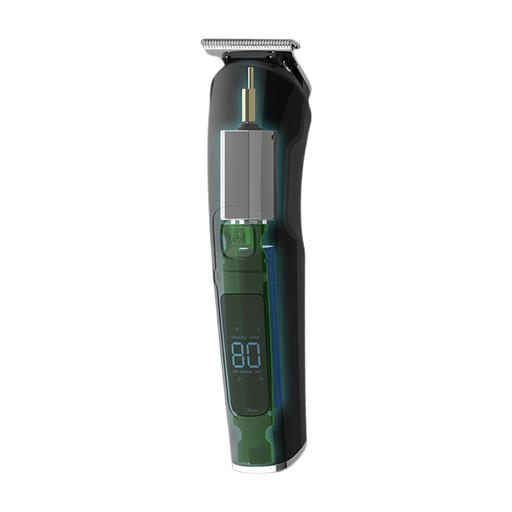
Why This Fits Their Persona: This user needs a reliable and versatile grooming kit for men that can handle haircuts, beard maintenance and detail work without cluttering the bathroom. This kit provides a single, powerful base with multiple, purpose-built heads.
It sidesteps the "flimsy all-in-one" pitfall by offering a set of distinct, high-quality heads (T-blade, shaver, nose trimmer) rather than a single compromised blade with poor attachments.
Features a clear LED display for battery status, a 90-minute runtime and an IPX6 waterproof rating, making it practical for everyday use and easy cleaning.
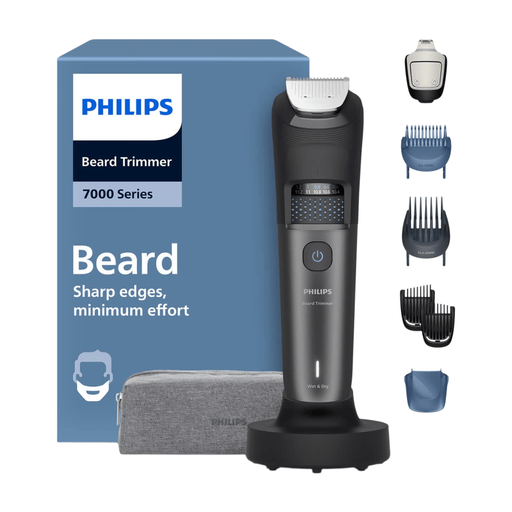
Why This Fits Their Persona: This user prioritises precision above all else. They need a dedicated beard trimmer for sharp edges, consistent length and creating fades. This tool is engineered specifically for that purpose.
This is a specialist tool, not a compromised multi-groomer. Its precision dial with 40 length settings in 0.2mm steps provides a level of control that all-in-one devices cannot match.
Features self-sharpening full metal blades and a 120-minute Li-ion battery. The integrated hair collector is a practical bonus that helps minimise mess during grooming.
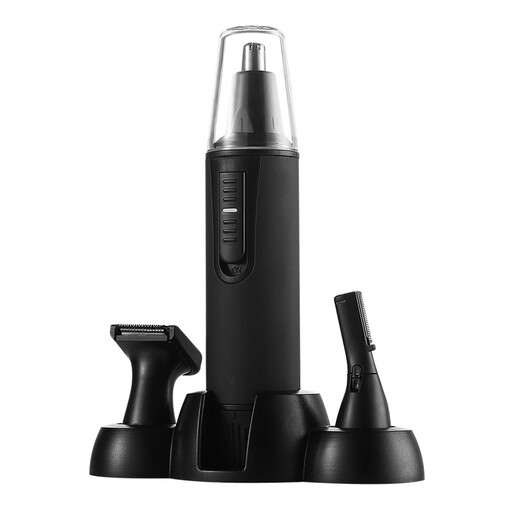
Why This Fits Their Persona: This person needs a safe, effective and dedicated tool for sensitive areas like the nose and ears. They understand that a specialised nose hair trimmer is far superior to a poor-quality attachment on a larger clipper.
It does one job exceptionally well. The dome-shaped stainless steel blade is specifically designed for the nasal cavity, providing a level of safety and efficiency that multi-tool attachments cannot replicate.
A built-in LED light illuminates hard-to-see areas and the fully waterproof body allows for easy cleaning. It's battery-powered for ultimate portability, with no cables needed.
We have compiled a complete, real-time list of products that fully satisfy these strict selection criteria and UK safety regulations.
1. How often should I oil my electric hair trimmer blades? For optimal performance and longevity, it's good practice to clean the hair from the blades after every use and apply one or two drops of the manufacturer-supplied oil. If you use your trimmer daily, oiling it once a week is a reasonable schedule. This keeps the blades lubricated, reduces friction and heat and ensures a smooth cut.
2. Can I use hair clippers to trim my beard? While you can use standard hair clippers for men on a beard, it may not give you the precision you want. Hair clippers are designed for bulk hair removal over large areas. A dedicated beard trimmer typically has finer blades and more precise length settings (often in sub-millimetre increments), making it better suited for styling, shaping and edging facial hair.
3. What is the main difference between a hair clipper and a body groomer? The primary differences are in the blade design and guards. Hair clippers have robust blades designed to cut through thick scalp hair efficiently. A body groomer, on the other hand, is designed with enhanced safety features to protect sensitive skin in areas like the chest, back and groin. They often feature rounded blade tips, hypoallergenic foils, and guards that prevent nicks and irritation on uneven body contours.