What matters when choosing
Start with when and where you need warmth: on arrival, across a longer session or mainly at one work position. Then check how the heater will fit around your activity and materials.
| Concern | What to check | Who this matters to |
|---|
| Warmth on arrival |
Compare exact-model warm-up results where available, alongside heat settings and a safe, unobstructed position. |
If I only have a short session, I want warmth soon after entering rather than waiting through most of my time there. Around 36% of consumers may put quick-start warmth first. |
| Uninterrupted concentration |
Check exact-model noise information, whether a fan runs at your chosen setting and how the thermostat operates. |
Detailed work is harder to settle into if airflow or noise distracts me. Low-disruption warmth may be the primary need for around 29% of consumers. |
| Long-session comfort |
Consider warm-up time, thermostat controls, hot-surface warnings and the clear space the heater requires. |
When I expect to work for hours, I can accept a slower start if the heater suits a sustained session. For around 21% of consumers, longer-session room comfort may come first. |
| Warmth at one position |
Check the panel’s line of heat and whether the exact model plugs in or requires fixed installation. |
If I stay at one workbench, I care more about warmth reaching that spot than heating every corner. Around 14% of consumers may prioritise direct warmth at a fixed position. |
Brands worth comparing
Which? includes these brands in its electric-heater testing. That makes their relevant models worth comparing, but a brand name alone does not establish how a particular heater will perform in your room.
De'Longhi
A brand to consider when comparing portable electric heaters.
- Which? includes De'Longhi among the brands it has tested.
- Check the exact model’s heater type, controls and heating results rather than assuming a brand-wide advantage.
Dimplex
A brand to consider when looking across electric-heater types.
- Which? includes Dimplex among tested brands.
- Compare individual models on their intended use, noise and placement needs.
Dyson
A brand to consider when comparing portable fan-heater designs.
- Which? includes Dyson among the brands it has tested.
- Check whether the exact model’s tested heating and noise results, and any additional functions, matter for your hobby room.
Russell Hobbs
A brand to consider when comparing portable fan heaters.
- Which? includes Russell Hobbs among tested brands.
- Use exact-model information for controls, heating, noise and safe placement.
Joybuy heater options
These options include fan heaters for warmth soon after arrival and oil-filled radiators to consider for longer sessions where a slower warm-up is acceptable. Check the exact model’s instructions and whether its noise, plug and placement suit your hobby room.
 No image available
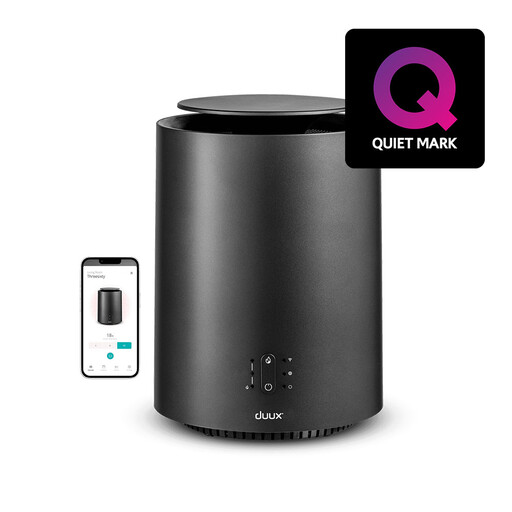
Duux ThreeSixty 2 DXCH09UK Ceramic Fan Heater, 1800W
A fan-heater option if you want warmth soon after entering the room. Its product name specifies 360° oscillation; check operational noise if you need to concentrate on detailed work.
Keep air inlets and outlets clear, and confirm the plug and placement instructions for the exact model.
View on Joybuy
 No image available
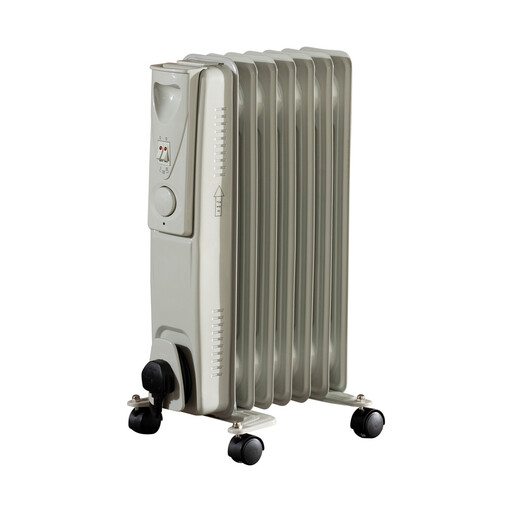
DAEWOO 1500W 7-Fin Portable Oil-Filled Radiator
Consider this oil-filled radiator for a longer session if you can allow time for it to warm up. The named variant has an adjustable thermostat, tip-over shut-off, wheels and a carry handle.
Allow space around it, and check the exact model’s plug and placement instructions.
View on Joybuy
 No image available
Benross 46769 11-Fin Oil-Filled Radiator, 2500W
This oil-filled model is another option when a longer session allows for slower warm-up. Its stated 2500W rating does not, by itself, establish how quickly it will warm your room.
Check the exact model’s controls, plug and required clearances before choosing a position for it.
View on Joybuy
 No image available
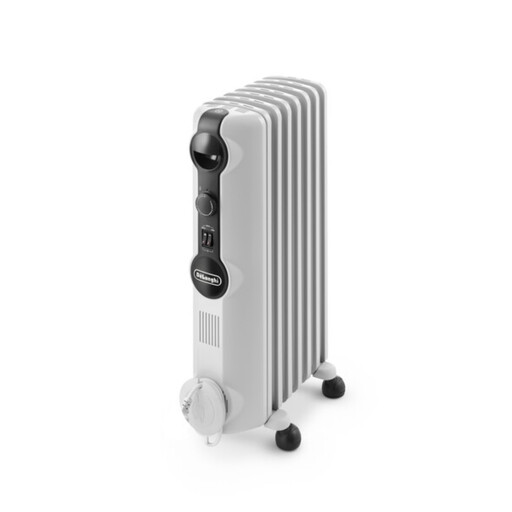
De’Longhi Radia S TRRS0715 7-Fin Oil-Filled Radiator, 1500W
The oil-filled format is worth considering for a longer seated session when you can wait for warmth. This variant has mechanical controls; check whether they suit the way you adjust the temperature while working.
Follow the exact model’s clearance instructions and confirm its plug and safety features before use.
View on Joybuy
 No image available
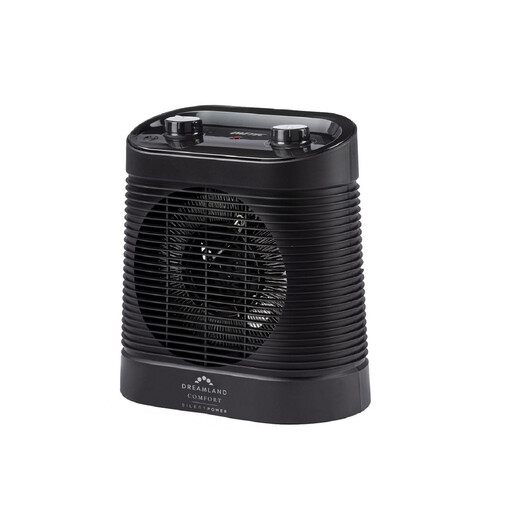
Dreamland Silent Power Comfort Ceramic Fan Heater, 2000W
A ceramic fan-heater option for warming up after entering a cold hobby room. Its name specifies digital controls, but the Silent Power wording should not replace an exact-model noise check if you work quietly.
Keep its vents clear, and confirm the plug, safety features and placement instructions before use.
View on Joybuy
Common questions
Should I choose a fan heater, oil-filled radiator or infrared panel?
Choose according to where and when you need warmth: a fan heater for a quick start, an oil-filled radiator if you can wait during a longer session, or an infrared panel if you remain in its direct line of heat. A convector is another option when gradual room-air heating suits your use, provided you can leave the required space around it.
Can I leave a portable heater on overnight in the hobby room?
No: Electrical Safety First advises against using a portable heater overnight. Switch it off when leaving the room and follow the exact model’s instructions.
How far should a heater be from my work area and supplies?
Follow the clearances in the heater’s instructions and keep fabrics, paper and other combustible supplies away. London Fire Brigade advises sitting at least one metre from a heater; do not let furniture or hobby materials obstruct its vents.
Will an infrared panel need an electrician?
A portable plug-in panel may not, but a fixed wall- or ceiling-mounted panel may require electrical installation. Energy Saving Trust distinguishes between portable panels that plug into the mains and fixed panels usually wired in by an electrician; check the exact model’s installation instructions before ordering.
What should I check before using a heater bought for a UK hobby room?
Check the exact model’s plug, instructions, placement requirements and safety features before using it. You can also check its model name against the UK product safety alerts and recalls published by the Office for Product Safety and Standards.


