
24/7 Customer Support

Free returns

Same-day & Next-day Delivery

Quality Guaranteed

Unlock Your Welcome Offers: FREE Delivery | Up to 80% OFF | Free 30-day JoyPlus trial
Download the APP
A portable electric heater can be useful for warming a bedroom before getting up, adding comfort to a home office or taking the chill off a living room without heating the whole property. However, choosing the right model involves more than selecting the highest wattage.
Marketing descriptions often highlight rapid heating, smart controls or “energy-saving” modes without explaining the practical limits. The right choice depends on room size, heat distribution, noise, controls, safety features and how often you plan to move the appliance.
A 2000W heater can produce more heat than a 1000W model, but it also uses more electricity when operating at full power. A thermostat or timer can reduce unnecessary operation, but no plug-in heater can create the same heat using less electricity at the same output.
As a simple guide:
Running cost per hour = wattage in kW × your electricity unit rate
For example, a 2kW heater running continuously uses approximately 2kWh per hour. Check your current tariff rather than relying on broad “energy-efficient heater” claims.
Room coverage may be expressed in square metres or cubic metres, and these figures are not directly interchangeable. Ceiling height, insulation, draughts, windows and whether the heater is supplementary or the main heat source will also affect performance.
A heater described for a room “up to” a certain size may struggle in a poorly insulated space. Treat coverage figures as a guide and choose a suitable output for the actual room.
A compact fan heater may fit neatly beside a desk, but its air inlet and outlet must remain clear. A panel heater may look unobtrusive against furniture, yet curtains and soft furnishings can still restrict airflow.
Never cover an electric heater or use one to dry clothing. Keep it on a stable, level surface, away from water and combustible materials. For UK use, check that the appliance is supplied with a suitable plug and follow the manufacturer’s instructions for clearances, ventilation and electrical connection.
Common outputs include 1000W, 1500W, 1800W and 2000W. A 2000W heater offers a higher maximum output, while multiple settings allow you to use less power when full heat is unnecessary.
Look for a model with a thermostat heater control, which cycles the heating element to maintain a selected temperature. This is more practical than leaving the appliance continuously switched on.
A timer heater can stop operation after a set period or schedule heating around your routine. Digital controls and a remote can be convenient from a sofa or bed, while Wi-Fi functionality allows remote adjustment through an app.
For renters and office users, consider weight, integrated handles, cord length and whether the heater is freestanding. A wall-mounted model saves floor space but is less flexible once installed.
Look for clearly stated features such as:
These features do not replace supervision. Keep children and pets away from hot surfaces, unplug the appliance before cleaning or moving it, and do not use a standard indoor heater in a bathroom or other damp location unless the product is specifically designed for that environment.
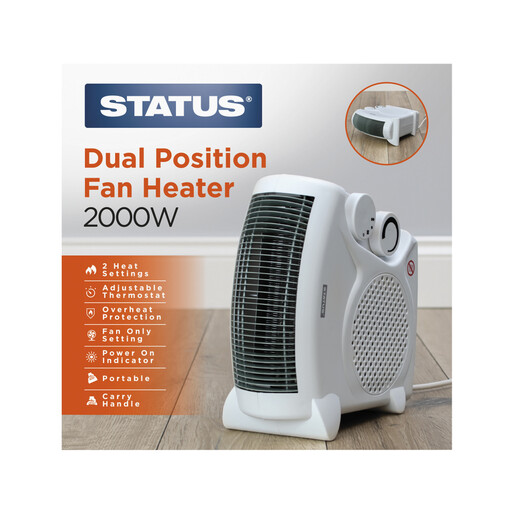
Why This Fits Their Persona: A compact option for renters, students or office users who need quick warmth without committing to wall installation. Its 1.1kg weight makes room-to-room movement straightforward.
It states its two heat settings clearly—1000W and 2000W—rather than presenting maximum power as a constant operating level.
Adjustable thermostat, fan-only mode, dual-position operation and overheat protection.
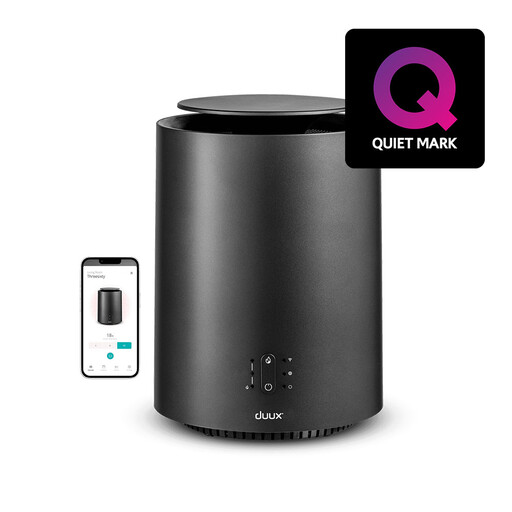
Why This Fits Their Persona: Suitable for households wanting app control, broad heat distribution and a more automated approach to room comfort in spaces up to approximately 30m².
Its 360° oscillation and digital thermostat address uneven warmth and the need to leave a heater running continuously.
1800W PTC ceramic heating, Wi-Fi app control, 360° oscillation, overheat protection and tip-over protection.
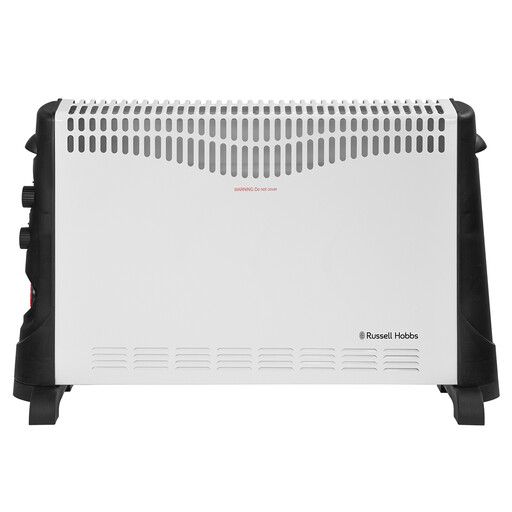
Why This Fits Their Persona: A freestanding panel heater for medium-sized living rooms or bedrooms, with controls suited to regular supplementary heating.
Three selectable settings and a thermostat provide more control than relying on 2000W output alone.
750W, 1250W and 2000W settings, 24-hour timer, frost protection, carry handles and tip-over protection.
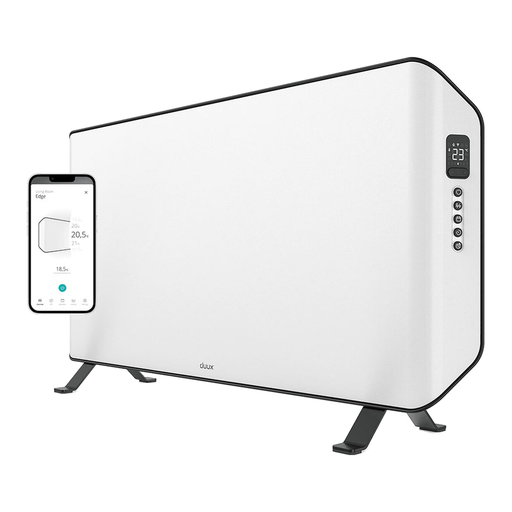
Why This Fits Their Persona: Designed for bedrooms, offices and smaller rooms where silent operation and reduced floor clutter are priorities.
The 1000W output is specified for rooms up to approximately 15m², helping shoppers match power to a smaller space rather than overbuying.
Freestanding or wall-mounted placement, Wi-Fi control, digital thermostat, overheat protection and silent convection heating.
We have compiled a complete, real-time list of products that fully satisfy these strict selection criteria and UK safety regulations.
Running cost depends on wattage, usage time and your electricity tariff. A 2000W heater uses approximately 2kWh per hour at full power, while a 1000W heater uses approximately 1kWh. Using a thermostat, lower setting and timer can reduce operating time, but compare the actual unit rate on your bill.
Follow the manufacturer’s instructions and avoid leaving a portable heater unattended or operating while asleep unless the product specifically permits this and suitable safety guidance is provided. Keep the appliance clear of bedding, curtains and furniture, never cover it, and unplug it when not in use.
A convection heater generally operates without a fan and is therefore suitable where quiet heating is important. A ceramic fan heater may offer faster heat distribution but can produce audible airflow. Check the stated noise level where one is provided, and consider a timer heater so operation is limited to the periods you need.