What matters when choosing?
For chicken fricassee, start with the pans you use for browning and simmering, then check whether the hob can be installed in your kitchen. Which? assesses both heating speed and low-temperature simmering in its hob tests, so neither zone count nor a boost feature alone settles the cooking question.
| Concern |
What to check |
Who this matters to |
| Pan space and gentle simmering |
Compare usable zone sizes with your casserole and second pan; look for model-specific evidence of low-heat control. |
If I am cooking several portions, I need room to brown chicken while keeping the sauce at a gentle simmer. Around 50% of consumers would put pan space and simmering first. |
| Installation fit |
Measure the worktop cut-out and space below it; check the model’s connection and ventilation instructions. |
A replacement hob needs to fit my existing kitchen before its cooking features matter. For around 30% of consumers, installation fit would be the primary concern. |
| Cookware and everyday use |
Check pan compatibility with the chosen hob type and whether its controls and cleaning requirements suit your routine. |
If I want to keep using familiar pans and manage the hob easily between batches, those everyday details come first. Around 20% of consumers would prioritise cookware and day-to-day use. |
Brands and model ranges to consider
These examples show why it is worth comparing individual models: connection method, usable cooking area and installation dimensions can differ even within the same hob category.
Bosch
Bosch lists compact four-zone induction models relevant to cooks using separate casserole and frying pans.
- Bosch describes the PUE611BB5B as Plug & Play and lists the PIE631BB5E with four zones and a 592 × 522 mm appliance size.
- Plug-in capability applies to the named model, not every Bosch induction hob. Check the selected model’s cut-out and electrical instructions.
AEG
AEG’s TO84IB00FB is an example to examine if a large cooking vessel is a regular part of batch cooking.
- AEG states that its bridge function combines two cooking zones on this four-zone model.
- The 780 × 520 mm appliance requires a 750 × 490 mm built-in opening and, according to AEG, a hardwired connection.
Neff
Neff has model-specific flex-zone and cooking-assistance features that may interest cooks using varied pan sizes.
- Neff lists a flex induction zone and Extended Frying Sensor for the T66FHE4L0.
- Those features should not be assumed to apply across Neff’s range. A venting-hob layout also calls for separate checks of the space beneath the worktop.
Joybuy hob options
These options cover a wider bridge induction hob, smaller four-zone induction hobs and a ceramic hob. Compare each one with your pans and installation space, then check how the exact model performs at a gentle simmer.
 No image available
Belling IHL773 BLK 77 cm bridge induction hob
Consider this layout if a broad casserole regularly needs more cooking area than one standard zone. Its four-zone design has touch controls and a boost mode; check the worktop opening, electrical connection and gentle-simmering performance for this model.
View on Joybuy
 No image available
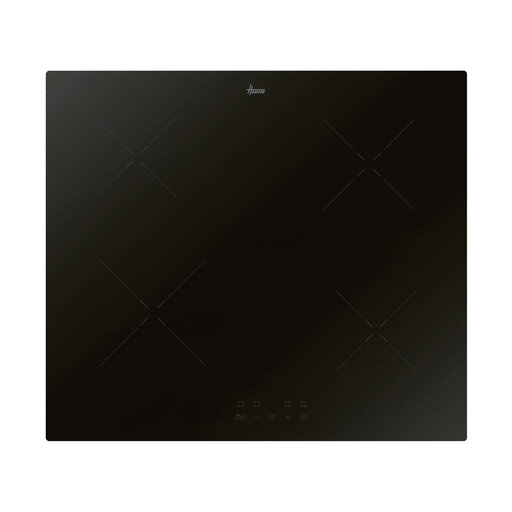
Hoover HI642BCB 60 cm four-zone induction hob
Consider its four separate zones if your casserole and additional pans fit a 60 cm hob. Check pan compatibility, the installation manual and model-specific simmering performance before replacing an existing hob.
View on Joybuy
 No image available
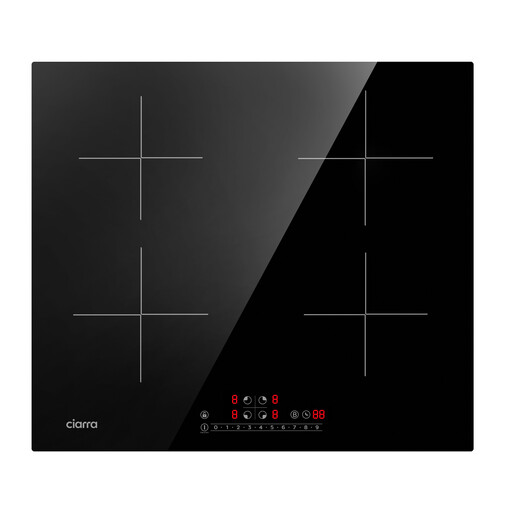
Ciarra built-in four-zone induction hob
This is another option for using several pans during a batch session. The stated features include touch controls, nine power levels and a booster; those settings do not establish how gently it simmers, so check model-specific performance and installation requirements.
View on Joybuy
 No image available
Bosch PIE631BB5E Series 4 60 cm induction hob
Its four separate zones suit a batch session when your pans fit the layout. Bosch lists a 592 × 522 mm appliance size and PowerBoost for this model; the product is described as hardwired. Confirm the cut-out, electrical requirements and simmering performance independently of its boost feature.
View on Joybuy
 No image available
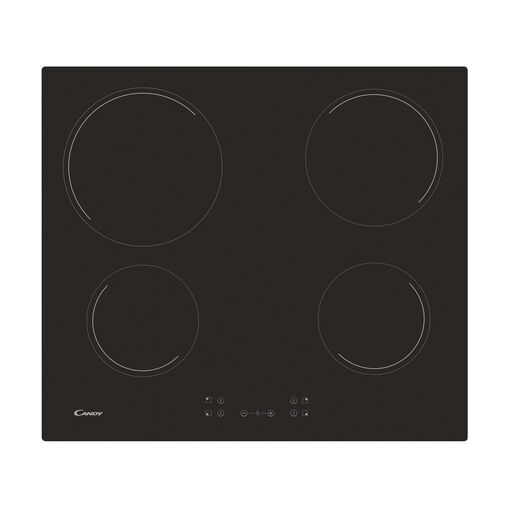
CANDY CH64CCB 59 cm ceramic hob
Consider this electric ceramic option if you prefer not to move to induction. Compare its zone layout with the pans you use together, and check the installation instructions and gentle-simmering performance for this model.
View on Joybuy
Common questions
Should I choose induction or ceramic for chicken fricassee?
Either can be considered, but induction is a useful starting point if your pans suit it and you want direct pan heating. Which? explains that induction generates heat in the pan, whereas a conventional electric ceramic hob heats elements beneath the glass. Compare the exact models’ gentle-simmering performance rather than assuming either heating method guarantees it.
Do I need an 80 cm bridge hob for batch cooking?
Not if your casserole and other pans fit separate zones on a smaller hob. A bridge model becomes more relevant when you regularly use broad or long cookware; AEG says the TO84IB00FB combines two zones, but it requires a 750 × 490 mm built-in opening and a hardwired connection.
Will a new induction hob plug into my existing socket?
Do not assume it will: the connection depends on the model. Bosch calls the PUE611BB5B Plug & Play, while AEG specifies its TO84IB00FB as hardwired only. Check the selected hob’s power and installation instructions, and seek a qualified electrician’s advice about the existing circuit where needed.
How much space does an induction hob need underneath?
Use the installation manual for the exact hob and the cabinet arrangement beneath it. Bosch says installation measurements vary by model; its guidance for a 60 cm hob specifies a 20 mm rear opening and a minimum 100 cm² ventilation slot. Do not apply those figures to a different model without checking its instructions.


