For blanching greens in a family-size pan, start with an induction hob that has a boost function and a cooking zone suited to your largest pot, provided the pot is induction-compatible. Flexible zones are worth considering for regularly used wide or unusually shaped cookware, not simply because you blanch vegetables. If keeping non-induction pans matters more, compare ceramic electric hobs; whichever type you choose, check the exact fitting and connection instructions before ordering.
Who this is for
Fast weeknight blanchers
If greens are one part of a family meal, you may want to bring a large pan to the boil without holding up the rest of dinner. Bosch and the product information list boost functions on specific induction models; check that the boosted zone suits your pot.
Households keeping their existing pans
Your largest stockpot may determine whether induction is practical without changing cookware. The product information specifies suitable induction pans for its cited AEG hob, so check the pot you actually use for blanching.
Kitchen-refit planners
If you are replacing a built-in hob, match the new appliance and its required cut-out to the worktop. The nominal width alone does not settle the fit or the electrical installation.
What to check before buying
Choose the cooking type around your blanching pot, then check the worktop opening and electrical connection before comparing additional controls.
| Concern |
What to check |
Who this matters to |
| Bringing a large pan to the boil |
Look for an induction boost function and check the intended zone against your pot’s base. A boost feature alone does not establish a boil time for your pan and water volume. |
When blanching greens alongside dinner, I want the family-size pan ready without delaying the meal; around 33% of consumers put rapid boiling first. |
| Worktop and electrical fit |
Compare the exact model’s cut-out, clearances and connection instructions with your kitchen; ask an appropriate installer about the existing electrical arrangement. |
If I am replacing a built-in hob, an appliance that cannot fit or be connected as planned is the wrong choice regardless of its cooking features. For around 27% of consumers, fitting and installation are the primary concern. |
| Keeping existing cookware |
Check whether your blanching pot suits induction and the intended zone. If replacing it is out of the question, compare ceramic electric hobs too. |
I want to keep using my largest stockpot rather than change pans to use a new hob; cookware compatibility comes first for around 20% of consumers. |
| Controls and clean-up |
Check the exact model’s control lock, timer and residual-heat indication, along with how its controls are arranged around a large pan. |
With family cooking under way, I need controls I can use confidently and a surface I can clean after a boil-over. Around 20% of consumers prioritise these day-to-day concerns. |
Buying pitfalls
-
Choosing induction before checking the stockpot
The heating advantage you want for blanching depends on using suitable induction cookware. An incompatible family-size pot changes the purchase decision.
Check the pot’s compatibility information and the exact hob manual. If keeping every current pan is essential, include ceramic electric hobs in your comparison.
Changing to induction may also mean replacing an incompatible blanching pot.
-
Assuming every 60 cm hob is a straightforward replacement
Hobs described by the same nominal width can have different overall dimensions and installation requirements.
Measure the existing opening and available space, then compare them with the installation drawing for the exact model.
A mismatched cut-out or clearance may require worktop changes before installation can proceed.
-
Choosing flexible zones for an ordinary round pot
Combined or flexible zones address the placement of wide or unusually shaped cookware. They need not change how you use one conventional blanching pot.
If your pans are usually round, compare the size and boost function of a standard cooking zone first. Consider flexible zones when non-standard cookware is a regular part of family meals.
-
Assuming electric hobs connect in the same way
Bosch describes its PUG61RAA5B as Plug & Play, but that is a feature of that model, not of induction hobs generally.
Check the selected model’s installation manual and supplied lead or plug details against the intended location and electrical arrangement.
A connection mismatch can delay installation or require electrical work.
Brands to consider for these hob features
Bosch
Relevant if you are comparing a conventional four-zone induction layout, combined cooking zones or a specifically designated plug-in model.
- Bosch lists four zones, CombiZone and PowerBoost for the PWP611BB5B. It separately describes the PUG61RAA5B as Plug & Play with PowerBoost.
- These features belong to the named models. Check the dimensions and connection instructions for the one you intend to buy.
Neff
Relevant when the shape or placement of cookware makes flexible cooking areas useful.
- Neff lists four cooking zones, including two flex-induction zones, and Power Boost for the T56TT60N0.
- A flex zone is less consequential if blanching normally uses one round pot that already fits a standard zone.
AEG
Relevant if you want to compare the stated power of a boosted zone as well as the controls on a 60 cm four-zone induction hob.
- The product information lists a 2,300 W front zone rising to 3,700 W on PowerBoost for the AEG TN64IA00FB.
- The induction-heating claim is conditional on suitable pans. Check the intended pot and the exact model’s installation instructions.
Joybuy induction hobs for family cooking
These built-in induction hobs include standard four-zone layouts and models with a flexible cooking area. For blanching, compare each one with your largest pot, then check its installation requirements; a flexible area is chiefly relevant if you also use wide cookware.
 No image available
Belling IHL773 BLK 77 cm induction hob with flexible bridge
Consider the flexible bridge if you regularly use wide cookware as well as a blanching pot.
The named variant has four cooking zones, touch controls and a boost mode. Check whether its 77 cm width, the required cut-out and your pot suit the intended installation.
View on Joybuy
 No image available
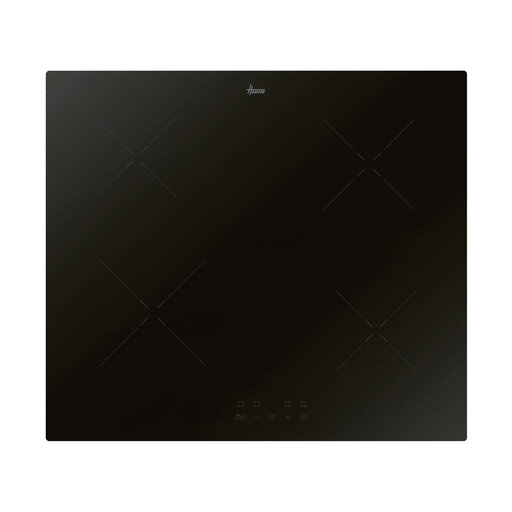
Hoover HI642BCB 60 cm four-zone induction hob
This is a conventional four-zone layout to consider if your blanching pot fits an individual cooking zone.
Check the zone dimensions, boost features, cookware suitability and installation instructions for this model before deciding whether it meets your boiling and fitting needs.
View on Joybuy
 No image available
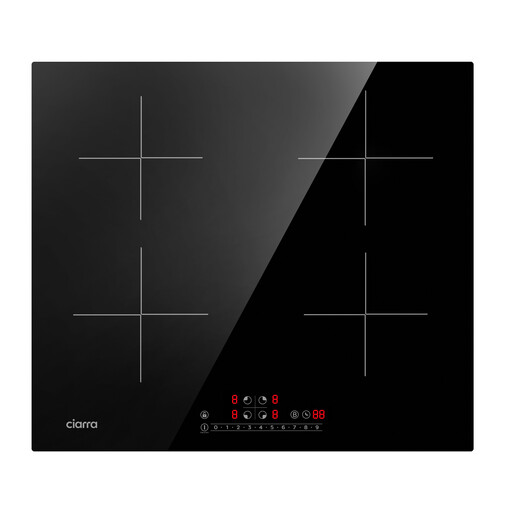
Ciarra four-zone built-in induction hob with booster
Consider this layout if you want several cooking areas while preparing the rest of a family meal.
The product name specifies touch control, nine power levels and a booster function. Check which zone accommodates your blanching pot, along with the cut-out and electrical requirements.
View on Joybuy
 No image available
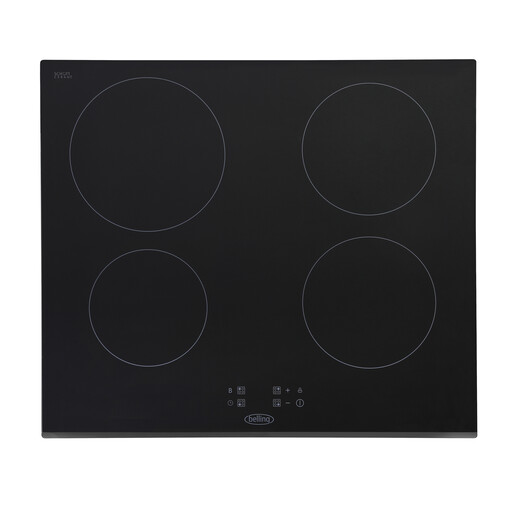
Belling ComfortCook IHT603 60 cm induction hob
This 60 cm induction model is an option to assess against an existing worktop opening and family-size pot.
Confirm the exact zone features, pot compatibility, cut-out and connection instructions before treating the nominal width as a match.
View on Joybuy
 No image available
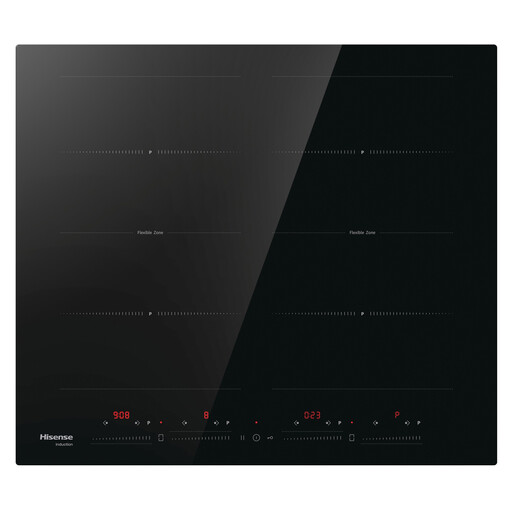
Hisense HI6442BSCE 60 cm induction hob with Area Flex
Area Flex is relevant if wide cookware is a recurring part of your cooking, rather than a requirement for one ordinary round blanching pot.
Check the usable zone size for that pot and the model’s fitting and electrical instructions before choosing it.
View on Joybuy
Frequently asked questions
Is induction a sensible choice for blanching vegetables?
Yes, if rapid heating matters to you and your blanching pot is suitable for induction. Bosch lists boost functions on the induction models cited here; compare the boosted zone with your pot rather than assuming every model will boil the same volume of water in the same time. A ceramic electric hob remains an option if keeping non-induction cookware takes priority.
Do I need a flexible zone for a family-size pot?
Not normally if it is a conventional round pot that fits a suitable cooking zone. Flexible or combined zones become more relevant when you regularly use wide or unusually shaped cookware; Bosch’s CombiZone and the flex-induction zones on the cited Neff model are examples.
Will my current stockpot work on an induction hob?
It will work only if it meets the hob’s cookware requirements. The product information conditions its cited induction-heating comparison on suitable pans, so check your stockpot’s compatibility information and the intended hob manual before buying.
Will a new 60 cm hob fit my existing opening?
A 60 cm label does not establish that the hob will fit. Compare the exact model’s installation drawing, required worktop cut-out and clearances with measurements of your kitchen before ordering.
What should I check before arranging electrical installation?
Start with the exact appliance’s connection and installation instructions, then seek advice appropriate to your dwelling and location. In England, GOV.UK’s Approved Document P addresses electrical safety in dwellings; do not treat that England-specific guidance as an installation rule for every UK nation or every hob replacement.


