For frequent chocolate batches, start by considering an induction hob with a documented low-temperature melt setting; Amica UK lists a Melt 40° function for the HN6013FR, close to the 40–45°C initial melting range in Callebaut’s guidance. Standard induction is another route if your pans are compatible and you are prepared to monitor the chocolate, while radiant ceramic is worth considering if keeping non-induction cookware matters more. Whichever route you choose, check the exact hob’s fit, electrical requirements and low-heat controls.
Who each route suits
Repeat-batch chocolate makers
If you regularly melt chocolate for moulds, coatings, sauces or several recipes, a documented low-temperature setting gives you a clearer starting point between batches. Amica UK lists one for the HN6013FR; melting still requires attention to the chocolate itself.
Everyday cooks with induction pans
If the hob must also handle everyday meals, standard induction offers direct pan heating and manual adjustment. Check that the pans you use for chocolate are induction-compatible, then plan to stir and monitor the batch when no melt-temperature programme is specified.
Cooks keeping their existing pans
If your pans are not confirmed as induction-compatible, a radiant ceramic hob offers an electric alternative. Which? explains that ceramic elements heat beneath the glass, so allow for residual surface heat when working with delicate chocolate.
What matters when choosing
Induction with a documented melt setting
Choose it when: Chocolate melting is a frequent batch task and you want a stated low-temperature starting control, such as the Melt 40° function Amica UK lists for the HN6013FR.
Bear in mind: You still need induction-compatible pans, and a melt setting does not complete the cooling and temperature control involved in tempering.
Standard induction
Choose it when: You already have compatible pans and want manually adjustable, direct-pan heating for chocolate alongside everyday cooking.
Bear in mind: Check whether the exact model has a named melt setting; with ordinary power controls, stir and check the chocolate’s temperature yourself.
Radiant ceramic
Choose it when: Retaining pans that are not induction-compatible is the deciding factor.
Bear in mind: Which? explains that the elements heat beneath the glass; residual surface heat needs attention after you turn down or switch off a zone.
| Concern |
What to check |
Who this matters to |
| Repeatable low heat |
Look for a stated melt temperature on the exact model. Amica UK lists Melt 40° for the HN6013FR; Callebaut gives 40–45°C for initial chocolate melting. |
I want a consistent low-heat starting point for repeated batches rather than guessing from power numbers; around 50% of consumers put repeatable temperature control first. |
| Multi-pan workflow |
Check the zone sizes and layout for your pans, plus any timer or pause controls you intend to use. |
When chocolate is one part of a larger batch, I want room to manage other pans without disrupting it; about 33% of consumers prioritise the multi-pan workflow. |
| Cookware and installation fit |
Confirm induction-pan compatibility where relevant, then compare the cut-out, clearances and electrical connection requirements with your kitchen. |
If my pans or existing worktop limit the options, I need to settle those constraints before choosing controls; roughly 17% of consumers put cookware and installation fit first. |
Mistakes to avoid
-
Assuming every induction hob has a chocolate setting
A melt function belongs to a particular model, not to induction as a category. Amica UK lists Melt 40° for the HN6013FR, while AEG UK describes responsive heating for the IBX64200CB without specifying a melt temperature.
Check the exact model’s controls and manual for a stated melt or temperature-control setting before relying on one.
-
Confusing melting with tempering
Callebaut’s guidance distinguishes the initial melting stage from the later cooling and working-temperature steps needed for tempered chocolate. A hob’s melt setting addresses only part of that process.
For a batch that needs tempering, follow the chocolate maker’s method and check the chocolate’s temperature rather than relying on the hob setting alone.
-
Choosing induction before checking pans and fit
Amica UK states that induction requires compatible cookware. A hob must also fit the worktop opening and suit the kitchen’s electrical connection.
Check the pans used for chocolate, measure the cut-out and clearances, and compare the model’s installation instructions with the planned connection.
Pans that cannot be used on induction may need replacing; an unsuitable cut-out may require worktop alterations.
-
Using rapid heat for delicate melting
Callebaut’s initial melting range calls for controlled heat. On a radiant ceramic hob, the glass can remain hot after the control setting changes.
Use a suitable low setting, stir the chocolate and check its temperature when the batch requires close control. Avoid using boost for the chocolate pan.
Brands to consider for these hob routes
Amica
A reference point for a model with a documented low-temperature induction setting: Amica UK lists the HN6013FR as a 60 cm, four-zone hob.
- The HN6013FR specification lists Melt 40°, Simmer 70°, 14 power levels, a timer and a 2.8 kW rating with UK plug.
- These are HN6013FR features, not features of every Amica hob; induction-compatible pans are required.
AEG
A standard-induction reference for cooks who want manually controlled heating for meals and occasional chocolate melting.
- AEG UK describes direct pan heating for the four-zone IBX64200CB and lists a UK moulded plug and a 560 × 490 mm built-in cut-out.
- Check the exact model’s low-heat controls if a dedicated chocolate-melt temperature is important to you.
Bosch
A radiant ceramic reference for buyers considering an electric hob without the induction-pan requirement.
- Bosch GB lists the PKH811BB1D as an 80 cm, four-zone radiant cooktop with TouchControl and two-ring and roaster-zone options.
- Its radiant glass surface needs attention during delicate melting, particularly after a heat-setting change.
Joybuy product choices
These hobs cover manually controlled induction and ceramic-electric routes for batch cooking. For chocolate work, compare their controls with your preferred melting method and check cookware and installation fit before choosing.
 No image available
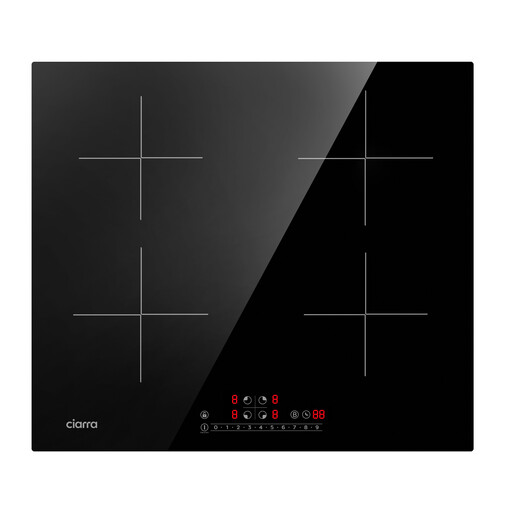
Ciarra 4-Zone Built-in Induction Hob, Black Ceramic Glass
Consider this for cooking with several pans if your chocolate pan is induction-compatible and you are comfortable managing the heat manually.
The title specifies touch controls, nine power levels and a booster function. Check the exact model’s low-setting behaviour for chocolate, and confirm the cut-out and electrical requirements before fitting.
View on Joybuy
 No image available
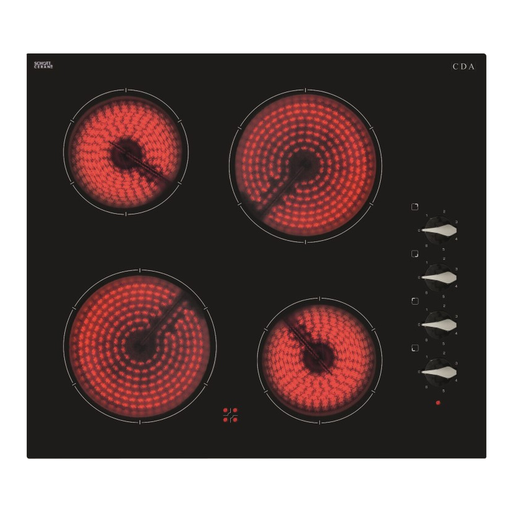
CDA HC6212FR 60 cm Four-Zone Ceramic Hob
Consider this radiant ceramic route if keeping cookware that is not induction-compatible matters to you.
Its title specifies four zones and a frameless black-glass design. Check the exact low-heat controls and installation instructions; allow for residual surface heat when melting chocolate.
View on Joybuy
 No image available
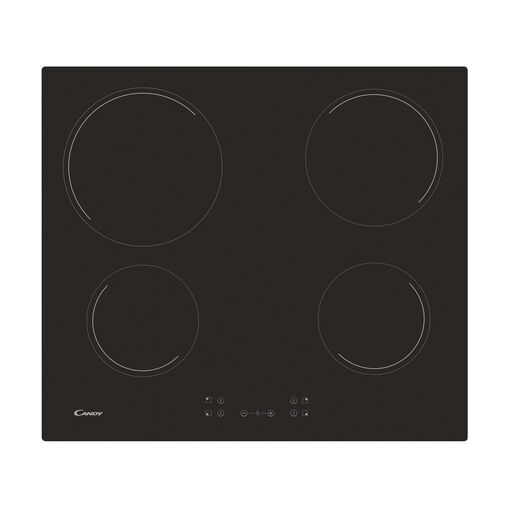
CANDY CH64CCB 59 cm Ceramic Hob, Black
Consider this ceramic-electric option if retaining existing non-induction cookware is a priority.
Before ordering, confirm the exact dimensions, cut-out and electrical requirements, as well as how its low settings behave for chocolate. Account for heat remaining in the glass after a setting change.
View on Joybuy
Common questions
Is a 40°C melt setting useful for chocolate?
It provides a stated starting control for melting: Amica UK lists Melt 40° for the HN6013FR, and Callebaut gives 40–45°C for initial melting. It does not complete tempering, which also involves subsequent cooling and working-temperature control.
Can I use my existing pans on an induction hob?
Only if those pans are induction-compatible. Amica UK states that induction hobs require compatible cookware; check the pan maker’s information or test with a magnet where appropriate before choosing induction.
How does a ceramic hob change the way I melt chocolate?
A radiant ceramic hob heats elements beneath the glass, whereas induction heats the pan directly, as Which? explains. Pay attention to heat remaining in the ceramic surface after reducing or switching off the zone, and check the chocolate’s temperature when close control matters.
What should I check before fitting a new hob?
Check the model’s cut-out, clearances and electrical connection requirements against your kitchen and the work involved. If you need an electrician, GOV.UK directs consumers to the Electrical Competent Person Register; confirm any applicable installation requirements for your address and the scope of the work.


