Small-kitchen preservers
If worktop space is tight, the hob must fit more than the visible gap on the surface. Check its specified cut-out, space beneath it and relationship to the extractor before committing to a built-in model.


Start with the preserving pan: a built-in induction hob is a choice if the pan is induction-compatible, its base suits a cooking zone and the hob fits the kitchen’s worktop and electrical installation. Consider a bridge or flex-zone model for a wider pan; choose radiant ceramic instead if keeping non-magnetic cookware matters more. Check the controls you would use to move from the initial boil to a steady simmer, rather than choosing on boost power alone.
If worktop space is tight, the hob must fit more than the visible gap on the surface. Check its specified cut-out, space beneath it and relationship to the extractor before committing to a built-in model.
A broad preserving pan makes the usable cooking area important. A bridge or flex zone is worth considering when the pan base does not suit an individual zone, provided the model’s instructions permit that pan size and position.
If the preserving pan is not suitable for induction, a radiant ceramic electric hob offers a way to keep using it. Bosch distinguishes ceramic hobs’ radiant elements from induction’s magnetic heating; check the chosen hob’s zone sizes as well as its cookware guidance.
British Tomatoes’ chutney recipe calls for bringing the mixture to the boil and then simmering it. Start by checking the pan and cooking area, then confirm that the hob fits the available space and connection before weighing up its controls.
| Concern | What to check | Who this matters to |
|---|---|---|
| Pan fit and cooking area | Measure the flat pan base against the stated zone sizes. For a bridge or flex zone, follow the exact model’s pan-position instructions. | If my preserving pan is broad, I need a cooking area that suits its base rather than an impressive-sounding boost setting. Around 36% of consumers put pan fit first. |
| Heat adjustment for simmering | Check how the controls change power and whether a timer would help during a long cook; do not treat a boost function as evidence of simmer performance. | Once the chutney boils, I want to turn the heat down and manage the simmer while stirring. Roughly 29% of consumers make heat adjustment their primary concern. |
| Space and electrical fit | Compare the model’s installation drawing with the worktop opening, cabinet space, extractor position and electrical connection. | In my small kitchen, a suitable cooking surface is no use if the appliance cannot be installed in the available space. About 21% of consumers prioritise installation fit. |
| Keeping existing cookware | Check the preserving pan’s induction suitability. If you want to keep a non-magnetic pan, compare radiant ceramic models with suitable zones. | I would rather keep using my current preserving pan than replace it to suit a new hob. Around 14% of consumers put cookware continuity first. |
The visible surface and built-in cut-out are different measurements. For example, AEG UK specifies a 590 × 520 mm surface and a 560 × 490 mm cut-out for its TO64IB00FB.
Measure the existing opening and cabinet space against the installation drawing for the exact model before ordering.
A mismatched opening may require worktop alteration before the hob can be fitted.
Induction heats suitable cookware rather than using radiant elements beneath the glass. A non-magnetic preserving pan should not be assumed to work on an induction hob.
Check the pan with a magnet and follow the prospective hob’s cookware guidance. If keeping that pan is essential, consider a radiant ceramic hob.
Switching to induction may mean replacing a pan you otherwise intended to keep.
A faster initial boil does not resolve a mismatch between a broad pan base and the active cooking area. AEG UK describes its TO64IB00FB bridge function as combining two zones for larger cookware.
Check the pan base against the zone layout first. Treat boost as a separate consideration for the initial heat-up, not as a substitute for suitable pan placement or simmer controls.
Connection requirements vary by model: AEG UK specifies hardwired installation for the TO64IA00FB, while NEFF describes its T36CA50X1U as Plug&Play.
Read the selected model’s installation instructions and confirm that the existing electrical arrangement is suitable before purchase.
A model that does not suit the existing arrangement may require electrical installation work.
These brands illustrate different hob layouts and heating types; the features below belong to the named models, not every hob carrying the brand.
AEG UK lists four-zone induction models alongside bridge and flex-zone layouts that may interest cooks using larger pans.
Bosch Home Appliances UK offers both radiant ceramic and induction hobs, so it is relevant when the decision turns on existing cookware.
NEFF Home Appliances GB lists induction layouts including a Plug&Play model and a separate flex-induction model.
Hotpoint UK offers a radiant ceramic option for cooks considering a fixed-zone electric hob.
These built-in induction hobs are choices to assess if you are prepared to use induction-compatible cookware. For chutney, compare each model with your preserving pan, worktop opening and electrical installation; the radiant ceramic option discussed above is a separate choice.
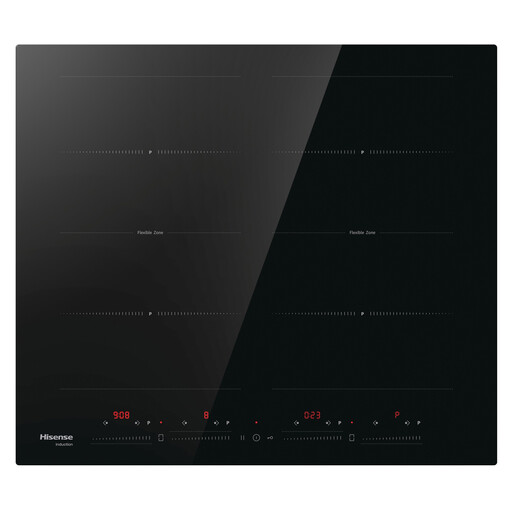 No image available
If your preserving pan needs a larger cooking area, the Area Flex layout makes this model worth assessing. Check that the pan is induction-compatible and suits the combined-zone instructions.
Confirm the installation dimensions, underside space and electrical connection against your kitchen before ordering.
 No image available
This four-zone model is an option if a conventional built-in induction layout suits your cooking routine. Compare the preserving pan’s base with the individual zone dimensions before choosing it.
Check the worktop opening and electrical installation against the model’s instructions; use induction-compatible cookware.
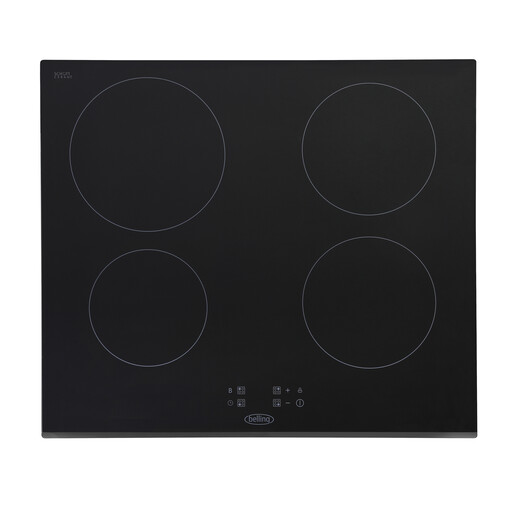 No image available
Consider this built-in model if you want an induction hob for a compatible preserving pan. Check which cooking zone fits the pan base before relying on a standard hob width as a guide.
Compare the cut-out and electrical requirements in the installation instructions with your kitchen.
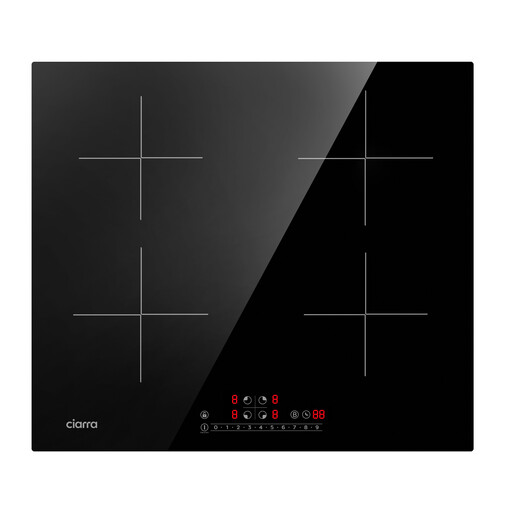 No image available
This built-in induction model may suit a cook who wants four zones and touch controls. Its product name specifies nine power levels and a booster function; neither establishes how a particular preserving pan will fit.
Check the precise zone layout, induction cookware guidance, cabinet clearances and electrical requirements before ordering.
 No image available
This hardwired induction model is an option if its individual zones suit your magnetic preserving pan. Check the pan fit rather than assuming that a 60 cm hob accommodates every broad pan.
Confirm the required worktop cut-out and electrical installation for this exact model before purchase.
Choose induction if your preserving pan is compatible and you want heat generated in the pan; choose radiant ceramic if keeping a non-magnetic pan is the deciding factor. Which? and Bosch distinguish induction’s pan-directed heating from ceramic hobs’ radiant elements beneath the glass. With either type, check that a cooking zone suits the pan base.
Not if its base suits an individual zone. Consider a bridge or flex zone when the base is wider or longer than a suitable single zone, then check the exact model’s pan-position rules. AEG UK notes that cookware must cover at least three of four connected sections when using the FlexiBridge function described in its support guidance.
Measure the existing worktop opening and available cabinet space, then compare them with the chosen model’s installation drawing, including its clearance requirements. Do not use the nominal hob width as the cut-out measurement: AEG UK, for example, specifies a 590 × 520 mm surface but a 560 × 490 mm cut-out for the TO64IB00FB. Check the extractor position too.
No. AEG UK specifies hardwired installation for the TO64IA00FB and TO64IB00FB, whereas NEFF describes the T36CA50X1U as Plug&Play. Check the instructions for the exact hob and confirm that your existing electrical installation suits its stated connection requirements.
Check the installation requirements where you live rather than assuming one rule applies throughout the UK. GOV.UK’s Approved Document P addresses electrical safety in dwellings in England; the Office for Product Safety and Standards’ guidance on the Electrical Equipment (Safety) Regulations 2016 concerns equipment supplied in or into Great Britain, not a universal hob-installation procedure. Follow the selected manufacturer’s instructions and confirm the applicable local requirements for your installation.