
24/7 Customer Support

Free returns

Same-day & Next-day Delivery

Quality Guaranteed

Unlock Your Welcome Offers: FREE Delivery | Up to 80% OFF | Free 30-day JoyPlus trial
Download the APP
Choosing a new electric hob or cooker can feel overwhelming. With so many types, features and technical terms, it's easy to fall into common traps that lead to disappointment and unexpected costs. As a Joybuy Product Recommendation Officer, my role is to help you navigate the market and find an appliance that genuinely fits your kitchen, budget and cooking style.
This guide cuts through the marketing clutter, focusing on the practical details that matter for UK homes. We will look at the critical differences between models and highlight some common pitfalls to avoid before you buy.
Many shoppers regret their purchase because of overlooked details. Here are three frequent issues we see and how to sidestep them:
To make a confident choice, focus on these three fundamental specifications.
This is the most important technical detail to confirm.
The type of hob surface dictates cooking speed, safety and energy use.
Your kitchen layout will determine which form factor is right for you.
Based on these practical considerations, here are some appliances matched to different UK household needs.
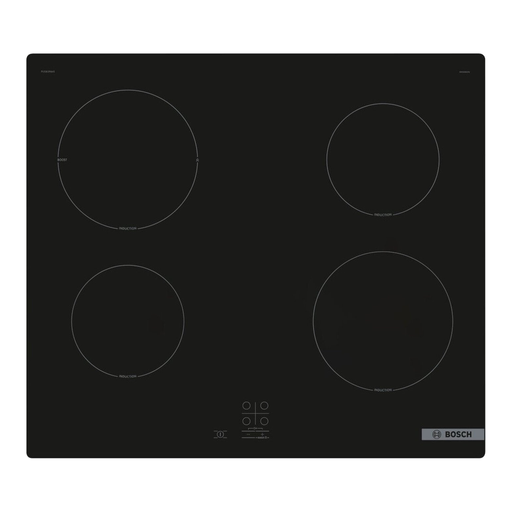
Why This Fits Their Persona: This hob is ideal for those seeking reliability and minimal fuss. The 13A plug means no expensive electrician call-out is needed, making it a cost-effective choice for new homeowners or for a rental property upgrade. It offers the speed and safety of induction cooking in a straightforward package.
It is a genuine plug and play hob, directly addressing the pitfall of hidden installation costs. Its intelligent power management ensures safe operation on a standard socket.
No professional hardwiring required. Features useful functions like PowerBoost for rapid boiling and a frameless, easy clean hob surface.
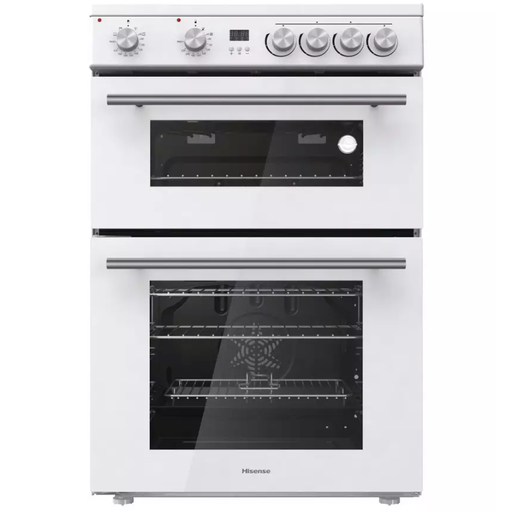
Why This Fits Their Persona: This freestanding electric cooker is a workhorse for family life. The double oven electric cooker design allows for cooking a Sunday roast in the main fan oven while grilling starters in the top oven. It's a practical, all-in-one solution for high-volume cooking.
It focuses on tangible benefits (two ovens, large capacity) over gimmicky smart features. The catalytic liners are a practical cleaning aid, addressing the "easy clean" concern in a meaningful way.
Massive flexibility with a 68L main fan oven and a 31L top oven/grill. The ceramic hob is durable and the programmable timer adds convenience for busy schedules.
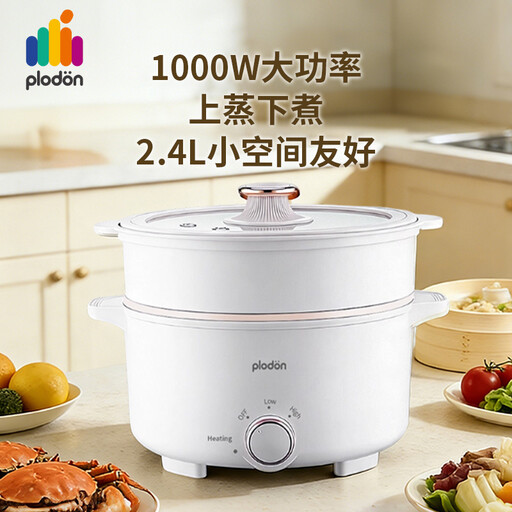
Why This Fits Their Persona: For those in temporary accommodation, a full-sized cooker is not an option. This portable multi cooker is the perfect solution for small kitchens, dorms or bedsits. It's versatile enough for boiling pasta, making soup or steaming vegetables without needing any installation.
It completely bypasses the installation and wiring pitfalls. It's a simple, honest appliance that does exactly what it promises: cook simple meals in a compact, portable format.
Extremely compact and portable. The dual-power control allows for both rapid boiling and gentle simmering and the non-stick interior makes cleaning simple.
We have compiled a complete, real-time list of products that fully satisfy these strict selection criteria and UK safety regulations.
No. For safety and legal compliance, any new electrical circuit or the installation of a high-current appliance like a 32A hob must be performed by a qualified electrician. This work falls under Part P of the Building Regulations in England and Wales, which is designed to ensure electrical installations in homes are safe.
Induction hobs are generally more energy-efficient than ceramic hobs. Because they heat the pan directly through magnetism, very little energy is wasted heating the glass surface. This can lead to noticeably lower running costs over the lifespan of the appliance, especially for those who cook frequently.
With proper care, a quality electric cooker or hob can be expected to last between 10 and 15 years. The lifespan is influenced by the brand's build quality, frequency of use and maintenance. To prolong the life of a glass hob, always lift pans instead of dragging them, clean spills promptly and use appropriate cleaning products to avoid scratches.