One-pot family chilli cooks
If the chilli is the main job, focus on a zone that accommodates your large pot and controls that let you reduce the heat for simmering. Specialist flexible zones may matter less if you rarely cook several dishes at once.


Choose an induction hob if your chilli pot and other pans are induction-compatible and you want responsive control when moving from a boil to a simmer. A radiant ceramic hob is worth considering if keeping non-magnetic cookware matters more. Whichever type you choose, check that the main pot and side-dish pans fit the zone layout, then confirm the worktop opening and electrical requirements before ordering.
If the chilli is the main job, focus on a zone that accommodates your large pot and controls that let you reduce the heat for simmering. Specialist flexible zones may matter less if you rarely cook several dishes at once.
If rice, toppings or another dish cook alongside the chilli, compare the space between zones as well as their number. A bridge or flex area is relevant when your cookware needs a larger cooking area.
If a hob is replacing an existing one, check the pans, worktop cut-out and electrical connection before comparing convenience features. The advertised width alone does not establish whether a new hob will fit.
For a family bean chilli, choose between induction and radiant ceramic heating first. Then assess the space needed for the chilli pot and side dishes; a wider or flexible-zone induction hob is a layout choice, not a separate heating type.
Consider it when: Your main pot and other pans are compatible and you want to adjust the heat promptly as the chilli moves from boiling to simmering.
Trade-off: Non-magnetic pans may need replacing; the hob's installation requirements still need checking.
Consider it when: Keeping existing non-magnetic cookware is a priority, subject to the chosen hob's cookware instructions.
Trade-off: Elements heat beneath the glass, so allow for a hot surface during and after cooking.
| Concern | Buying checks | Who this matters to |
|---|---|---|
| Boiling and simmering | Check the main zone's stated pan size and whether the exact model offers boost or simmering controls. | If I make the chilli in one large pot, I need to bring it to the boil and then turn the heat down without fuss. Roughly 25% of consumers would put control of that main pot first. |
| Room for side dishes | Compare zone positions against your pots; check whether a bridge or flex area suits wider cookware. | When rice or another pan cooks alongside the chilli, I need space to use both comfortably. Around 25% of consumers would make multi-pan room their primary concern. |
| Worktop and electrical fit | Match the installation drawing to the existing opening, then confirm connection type and electrical load. | If I am replacing a hob, I need to know it can fit the worktop and connect to the available supply. Approximately 31% of consumers would prioritise installation fit. |
| Cookware and family use | Test pan bases with a magnet for induction; check the exact model's heat indicators and control-lock features. | I want to keep using my everyday pans and manage a hot hob around a busy meal. Roughly 19% of consumers would put cookware compatibility and family-use features first. |
An induction hob may not heat your main chilli pot if its base is unsuitable.
Test the stockpot, rice pan and everyday frying pan with a magnet before choosing induction. If the pans are unsuitable, consider radiant ceramic heating or allow for compatible replacements.
A hob that looks right for the space can require a different cut-out or electrical connection.
Measure the existing opening, compare it with the exact installation drawing and have the electrical connection assessed before ordering a hardwired model.
A different opening may also mean altering the worktop.
Induction heats compatible cookware directly, while a radiant ceramic hob heats elements beneath the glass. Neither removes the need to take care around a hot pan or hob.
Check the chosen model for residual-heat indicators, automatic switch-off and a child lock, and supervise cooking.
Slow-cook, keep-warm and timer functions can assist with a family meal, but Electrical Safety First advises against leaving electrical appliances on and unattended.
Use these functions as cooking aids, stay nearby and follow the hob's instructions.
AEG has an 80cm induction option to consider when larger cookware or several pans shape the layout decision.
Hotpoint has named induction models for standard-width cooking and for a larger combined cooking area.
NEFF is relevant if you want flexible cookware placement within a 60cm induction format.
These induction hobs are options for cooking a family bean chilli in a main pot while using other zones for side dishes. Compare your pans with each hob's layout and check the installation instructions before choosing; the ceramic route discussed above remains a separate choice.
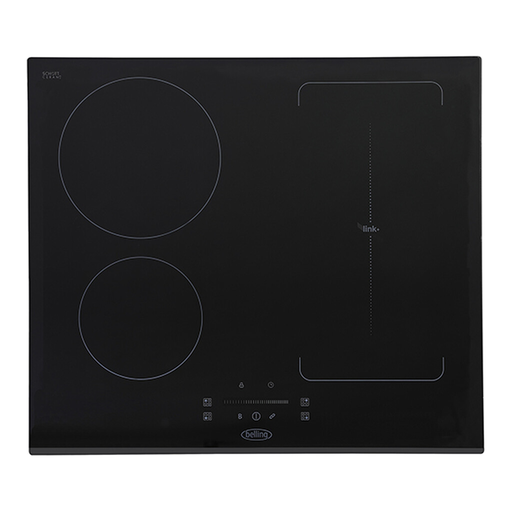 Image unavailable
Consider this 60cm induction hob if your chilli pot and side-dish pans can sit comfortably in its cooking layout. Test the pans for induction compatibility, and compare the installation drawing and electrical requirements with your kitchen.
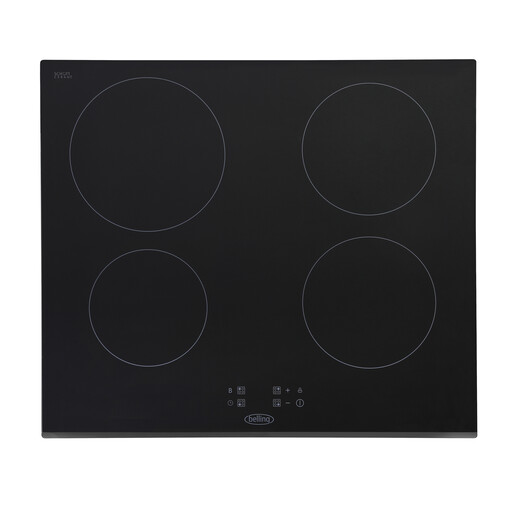 Image unavailable
This 60cm induction option is worth comparing if you cook the chilli alongside another pan. Check that your actual pots fit its zone layout, that their bases work with induction and that the worktop and electrical supply meet its installation requirements.
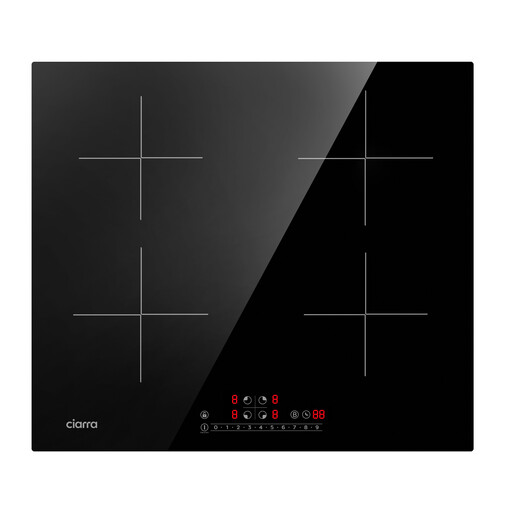 Image unavailable
Four zones make this an option to assess for a chilli pot plus side-dish pans. The product name specifies touch control, nine power levels and a booster; check the zone positions against your cookware and confirm the electrical and worktop requirements before ordering.
 Image unavailable
Consider this 60cm model if its zone layout accommodates your main pot and any pans used alongside it. Its product name specifies a hardwired connection, so check the installation drawing and arrange an assessment of the electrical supply before ordering.
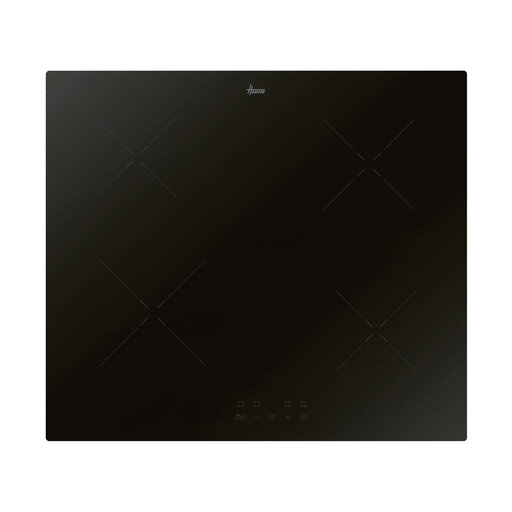 Image unavailable
This four-zone model may suit a meal with a chilli pot and separate side-dish pans if they fit its cooking layout. Check pan compatibility and spacing, then confirm the worktop opening and electrical requirements with the installation instructions.
It may, if its base is induction-compatible. Bosch recommends checking whether a magnet attaches to the pan base; test the large chilli pot and the pans you use for sides before committing to induction.
Not necessarily: the worktop cut-out and electrical connection must match the new model's installation instructions. For example, AEG specifies a 750 × 490mm built-in opening and a hardwired connection for its 780mm-wide TO84IB00FB.
Check the chosen hob's connection instructions and electrical load against the existing installation before ordering. Electrical Safety First states that electrical installation work in homes in England and Wales must comply with Building Regulations; requirements differ in Scotland and Northern Ireland, so seek advice applicable to your location.
No: an automatic programme or timer is an aid, not permission to leave an electrical appliance on and unattended. Electrical Safety First advises supervising electrical appliances in use; follow the hob's instructions and stay nearby while the chilli cooks.