Who is this for?

Regular family broth cooks

If noodle broth is a frequent meal, bringing a full pot to the boil, reducing the heat for a simmer and leaving room for side dishes all matter. Bosch and Zanussi describe induction as a responsive option; check that your stockpot is compatible before choosing it.

Large-pot multitaskers

If the broth pot shares the hob with noodles, toppings or sauces, look at where the pans will actually sit. AEG’s bridge zones and NEFF’s flexible-zone designs are relevant when a conventional layout does not accommodate your cookware.

Replacement-hob buyers with existing cookware

If you are replacing a built-in hob, check your pans as well as the worktop opening and electrical connection. Bosch says induction requires ferromagnetic cookware, while hob measurement guidance makes clear that appliance width alone does not establish cut-out fit.

What matters when choosing?

60 cm induction

Choose when: A conventional four-zone layout accommodates the broth pot and companion pans, and your cookware is induction-compatible.

Allow for: Bosch says induction needs a ferromagnetic pan base; The plug-in Bosch PUG61RAA5B also shares a capped power supply between zones.

Wider or flexible-zone induction

Choose when: A large or awkwardly positioned pot, alongside other pans, needs more usable cooking space. AEG describes its Bridge function as joining two zones.

Allow for: More worktop space and the chosen model’s particular cut-out and electrical requirements.

Ceramic electric

Choose when: Keeping a stockpot without a ferromagnetic base matters more than induction’s responsive heating.

Allow for: Ceramic does not heat the pan directly as induction does; check the selected model’s zone sizes and installation instructions.

Concern What to check Who this matters to
Boiling and simmering Check the stockpot zone’s stated output and the heat controls; check whether the chosen model offers a boost function. If I bring a full broth pot to the boil and then need to hold a simmer, I want heat I can adjust promptly. Around 36% of consumers put that heat control first.
Space for several pans Compare the usable zone layout with your pans; consider bridge or flexible zones only if the layout needs them. When noodles and toppings cook alongside the broth, I need the pans to fit without crowding the stockpot. Around 29% of consumers prioritise usable cooking space.
Existing cookware For induction, check that each essential pan has a ferromagnetic base and that its base suits the intended zone. If my main stockpot cannot be used on induction, keeping it may decide which hob type I buy. Around 21% of consumers put cookware continuity first.
Installation fit Compare the installation drawing with your cut-out and clearances; confirm the connection type and total load. Before replacing a built-in hob, I need to know it will fit the opening and suit the electrical supply. Around 14% of consumers make installation fit their primary concern.

Buying pitfalls

  • Assuming four zones can all run at their selected levels at once

    The plug-in Bosch PUG61RAA5B has a 3700 W cap and shares power between zones when more than two pans are in use. That distinction matters when broth, noodles and toppings are cooking together; it is not a rule for every four-zone hob.

    Read the exact model’s total-load, connection and power-management instructions rather than judging simultaneous cooking by zone count alone.

    Depending on the model and your kitchen, you may need to accept reduced simultaneous zone power or arrange suitable electrical provision.

  • Choosing induction before checking the stockpot

    Bosch says induction requires ferromagnetic cookware. A broth pot without a suitable magnetic base could prevent you from using the pan you rely on for this meal.

    Check the stockpot first, including whether its base suits the intended zone. Consider ceramic electric if keeping incompatible cookware is more important to you.

    Changing to induction may mean replacing an incompatible stockpot.

  • Ordering by the hob’s surface width alone

    The worktop cut-out and connection requirements are model-specific. AEG lists its TO84IB00FB bridge model as 780 mm wide with a 750 × 490 mm cut-out and a hardwired connection; its surface width is not the opening size.

    Measure your existing opening and available clearances, then compare them with the installation drawing for the exact model.

    An unsuitable opening or connection can mean worktop alteration or prevent the planned installation.

  • Buying a wider bridge-zone hob without a pan-layout need

    AEG’s Bridge function and NEFF’s flexible-zone designs address particular cookware arrangements. A wider surface also takes more worktop space, which may not help if your usual stockpot and side pans already fit a conventional layout.

    Position your actual pans as you would for a family meal before deciding whether wider or flexible zones are worth accommodating.

Brands to consider

Bosch

An induction range to consider if cookware compatibility and the electrical demands of a particular model are central to your choice.

  • Bosch explains the ferromagnetic cookware requirement, giving you a clear starting point for checking the broth pot.
  • The plug-in Bosch PUG61RAA5B shares its capped power between zones; that limitation applies to that model, not every Bosch hob.

AEG

Relevant when a larger pot or a particular multi-pan layout calls for bridge zones.

  • AEG describes the Bridge function on its TO84IB00FB as joining two heat zones into one larger cooking area.
  • That model is a wider, hardwired hob; confirm its cut-out, worktop space and electrical provision before choosing it.

NEFF

An induction range to examine if cookware placement varies across family meals.

  • NEFF describes Flex Induction zones designed for pans of varying sizes and positions.
  • Temperature-control and hob-to-hood features are available only on selected models; check the precise hob and any compatible-hood requirement.

Zanussi

A reference point when deciding between induction and ceramic electric hobs.

  • Zanussi’s buying guidance discusses four-zone 60 cm layouts and the different heating behaviour of induction and ceramic surfaces.
  • Zone arrangement and features vary by model; a wider hob is chiefly relevant if you regularly need more cooking space.

Induction hobs for family cooking

These Joybuy choices are built-in induction hobs for cooking broth alongside other pans, including conventional four-zone layouts and one wider bridge-zone layout. They require suitable cookware; if keeping a non-induction stockpot is your priority, consider the ceramic route discussed above.

Bosch PIE631BB5E Series 4 induction hob

Bosch PIE631BB5E Series 4 60 cm induction hob, black glass

Consider this 60 cm induction hob if the broth pot and other pans fit the cooking layout. The product title specifies a hardwired connection; check the installation drawing and confirm that the pot has a ferromagnetic base.

View on Joybuy
Belling IHL773 BLK induction hob with flexible bridge

Belling IHL773 BLK 77 cm induction hob with flexible bridge

Consider the flexible bridge if the broth pot’s position makes an ordinary zone layout awkward. The title specifies four cooking zones and a boost mode; check the wider hob’s worktop fit, electrical connection and compatibility with your pot.

View on Joybuy
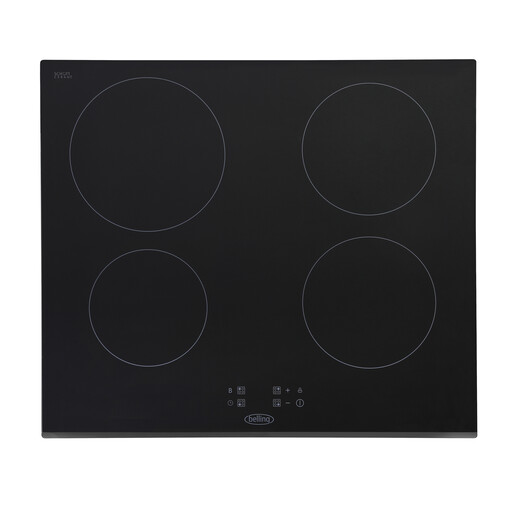
Belling ComfortCook IHT603 induction hob

Belling ComfortCook IHT603 60 cm induction hob, black

This 60 cm induction model is worth considering when you want to retain a conventional-width cooking surface for the broth pot and side pans. Confirm the zone layout against your cookware, along with the connection and installation clearances.

View on Joybuy
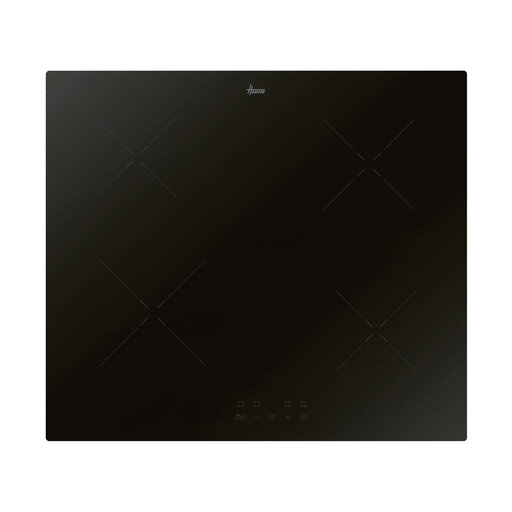
Hoover HI642BCB four-zone induction hob

Hoover HI642BCB 60 cm four-zone induction hob, black glass

The four-zone layout is relevant if you cook broth while using other pans. Check that your stockpot fits its intended zone, then compare the model’s electrical load and installation drawing with your kitchen.

View on Joybuy
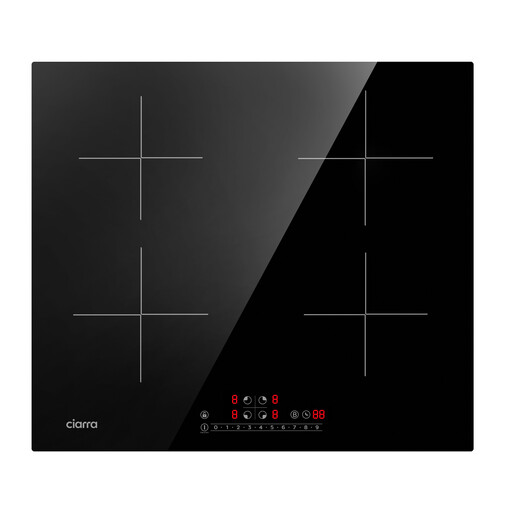
Ciarra built-in four-zone induction hob

Ciarra built-in four-zone induction hob, black ceramic glass

Consider this model if you need separate zones for broth and companion dishes. Its title specifies nine power levels and a booster function; confirm pot-base compatibility, the electrical connection and the required installation space.

View on Joybuy

Common questions

Is induction or ceramic better for a large broth pot?

Induction suits a large broth pot when its base is ferromagnetic, fits the intended zone and you value responsive heat changes. If keeping a non-compatible pot matters more, a ceramic electric hob avoids that induction-specific cookware requirement; check its zone size too.

Do I need a wider hob to cook noodles for a family?

Not necessarily: Zanussi describes a 60 cm, four-zone layout as suitable for many households. Consider a wider or bridge-zone hob when your broth pot and companion pans do not fit comfortably on the conventional layout, and check the larger model’s installation requirements.

Will a plug-in induction hob run several pans at full power?

Check the particular model’s power-management instructions rather than assuming it will. The plug-in Bosch PUG61RAA5B has a 3700 W cap and shares power between zones when more than two pans are in use; that behaviour should not be assumed for every hob.

What should I check before replacing a built-in hob?

Check the exact model’s cut-out dimensions, required clearances, connection type and total load against your kitchen. Electrical Safety First advises reviewing power requirements; consult a qualified electrician if you are unsure about the electrical work.

How should I handle broth spills while cooking?

Follow the hob manufacturer’s instructions for dealing with spills and cleaning the surface. Electrical Safety First advises against touching electrical equipment with wet hands or leaving cooking unattended; check that the surface has cooled as directed before cleaning it.