Frequent family-batch soup cooks
If a large soup pot shares the hob with other pans, consider the usable zone layout as well as how you will turn the heat down after boiling.


Consider a four-zone induction hob if your soup pot has an induction-compatible base and the kitchen can accommodate the model’s electrical and ventilation requirements. A ceramic electric hob is another option when using existing cookware and familiar controls takes priority. With either type, check the pot’s base against the cooking zone and make sure there is room for the other pans used at a family meal.
If a large soup pot shares the hob with other pans, consider the usable zone layout as well as how you will turn the heat down after boiling.
If you want to keep using your current soup pot, check its base before choosing induction. Bosch advises that induction cookware needs a ferromagnetic base.
If the new hob must fit an existing worktop and electrical supply, compare the exact model’s cut-out, connection and ventilation instructions with your kitchen.
Consider it when: You want heat delivered directly to a compatible soup pot and enough zones for the rest of the meal.
Trade-off: Bosch advises that induction needs ferromagnetic cookware; connection and ventilation requirements depend on the model.
Consider it when: Keeping your existing cookware is the deciding factor and a conventional four-zone layout suits your cooking.
Trade-off: The cooking surface remains hot after use, making a residual-heat warning particularly useful during serving and clean-up.
| Concern | What to check | Who this matters to |
|---|---|---|
| Boiling and simmering | Match the main zone to the soup-pot base; check the controls for reducing heat after boiling and whether other pans will fit. | When I cook a large pot of soup alongside other dishes, I want to bring it to the boil and then hold a gentler heat. Roughly 42% of consumers put that cooking control first. |
| Cookware and clean-up | Check the pot’s base for induction compatibility, or consider a ceramic hob; look for a residual-heat indicator before wiping the surface. | I would rather keep using my soup pot and know when the surface is safe to clean after serving. Around 33% of consumers make cookware fit and clean-up their primary concern. |
| Installation and safety | Compare the model’s cut-out, connection and ventilation instructions with your kitchen; check its listed safety controls. | A replacement needs to fit my worktop and electrical arrangement before its cooking features matter. Approximately 25% of consumers put installation and household safety first. |
Induction needs a ferromagnetic pan base, so the pot you already use may not be suitable.
Check the base of your largest soup pot and compare its base diameter, rather than its outer rim, with the intended cooking zone.
You may need a different pot if the existing one is not induction-compatible.
Models of similar overall width can have different cut-outs, connection types and ventilation requirements. Bosch says induction installation measurements vary by model.
Compare the exact installation sheet with your worktop, cabinetry and electrical supply before ordering; seek a qualified electrician’s advice if the circuit is uncertain.
A mismatch may require electrical, worktop or ventilation work before the hob can be fitted.
A boost setting addresses initial heat-up, but soup also needs a lower setting after it boils, while the large pot may take space needed for other pans.
Check the zone layout and controls you would use to turn down the heat; compare timer or pause functions if you want them.
A ceramic zone can remain hot after the pot has been removed, including while you serve or clear up.
Check for a clear residual-heat indicator and keep children, utensils and cleaning cloths away until the surface has cooled.
Worth considering for compact induction models where four zones and the connection type are important.
Relevant if your family cooking involves larger or differently shaped cookware.
Relevant when a large or unusually shaped vessel makes a bridge-zone layout useful.
Relevant if you prefer a conventional ceramic electric hob with physical knob controls.
These induction hobs are choices to compare if you are considering direct pan heating for a family soup meal; the Hisense model also lists an Area Flex cooking layout. Check your pot and installation requirements before settling on a model.
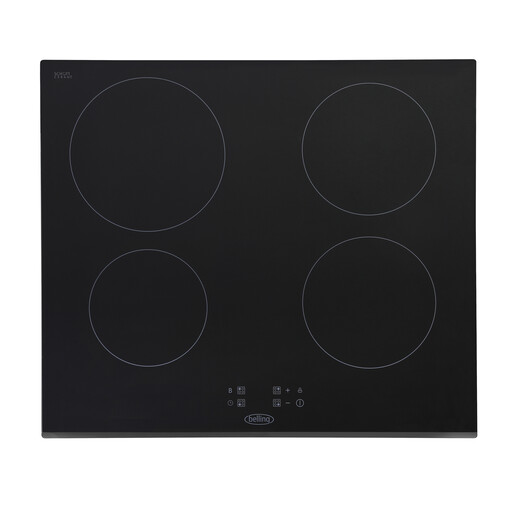 Image unavailable
Consider this built-in induction hob if you plan to cook soup alongside other pans. Check that your pot has an induction-compatible base, that its base fits a cooking zone and that the electrical connection suits your kitchen.
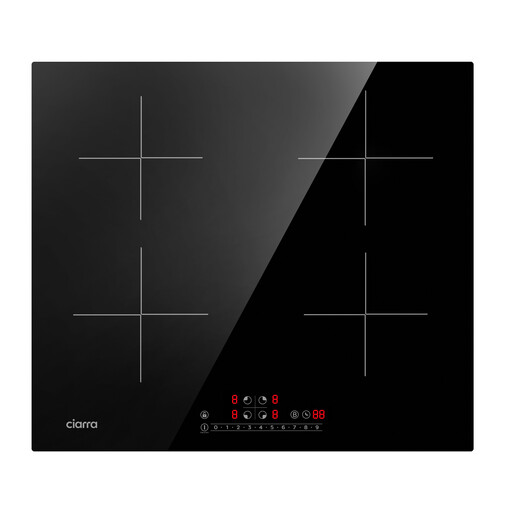 Image unavailable
The four-zone layout is relevant when the soup pot shares the hob with other pans. Its title lists touch controls, nine power levels and a booster function; check the pot’s induction-compatible base and the installation instructions.
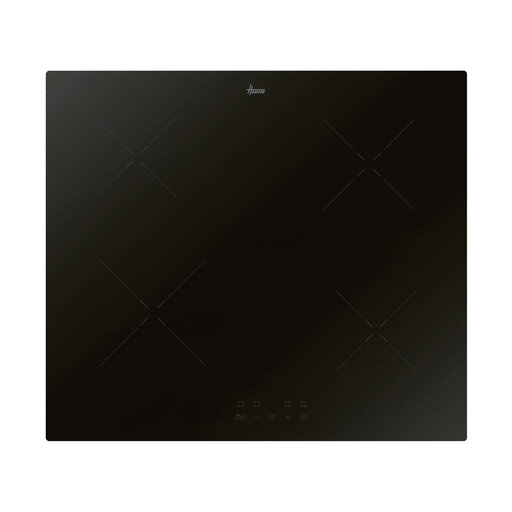 Image unavailable
Its four-zone layout is relevant to cooking soup with other dishes. Check the soup pot’s induction-compatible base against the cooking zone and confirm the connection and installation requirements before choosing it.
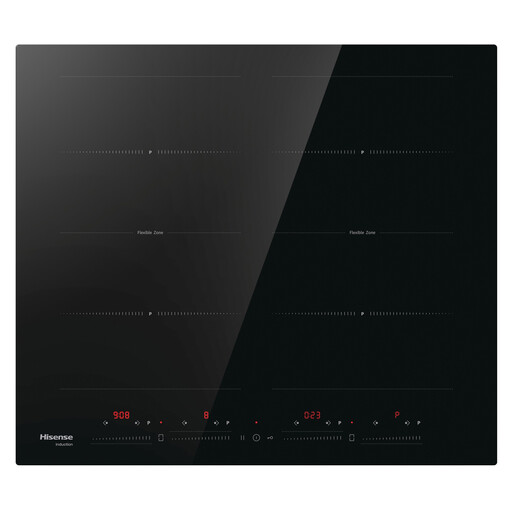 Image unavailable
Consider the Area Flex layout if your soup pot or another family-meal pan needs a larger cooking area. Check the compatible pan base, usable cooking dimensions and exact fitting and electrical instructions.
 Image unavailable
Consider this hardwired induction model if you want to use a soup pot alongside other pans and your kitchen can accommodate its connection. Confirm that the pot is induction-compatible and check the zone sizes, cut-out and electrical requirements.
Choose induction if direct pan heating suits your cooking and your soup pot has an induction-compatible base; consider ceramic if continuing to use your existing cookware matters more. Whichever type you choose, check the pot’s fit on the main zone and the controls you will use when the soup reaches a boil.
It will work only if it has a suitable ferromagnetic base. Bosch identifies cast iron and enamelled steel as examples of suitable materials and advises matching the base to the cooking zone; check other cookware for an induction-ready base rather than relying on its outer diameter.
Not without checking the exact model’s connection requirements and your electrical supply. Bosch describes the PUG61RAA5B as Plug & Play, whereas AEG lists the TO84IB00FB as hardwired only; seek a qualified electrician’s advice if the existing circuit’s suitability is uncertain.
Compare the exact model’s cut-out, electrical connection and ventilation instructions with your worktop and cabinetry. Bosch says installation measurements vary by model, so dimensions specified for one hob should not be applied to another.
Ask the person’s cardiac-device team about the particular device before choosing an induction hob. A Royal Brompton and Harefield NHS patient leaflet warns that induction hobs may interfere with pacemakers; follow device-specific clinical and manufacturer guidance rather than assuming a hob is suitable.