Family cooks managing several pans
You need a separate cooking zone for the compote while preparing the rest of the meal. The number and arrangement of zones matter more to you than a portable hob’s one-pan format.


For plum compote cooked alongside a family meal, a multi-zone induction hob suits households with magnetic cookware that want to adjust the heat while other pans are in use. A ceramic electric hob lets you keep non-magnetic pans, though its surface remains hot after switch-off. A portable single-zone induction hob is better treated as an extra cooking station; bridge or flex zones matter chiefly if you regularly use large or long cookware.
You need a separate cooking zone for the compote while preparing the rest of the meal. The number and arrangement of zones matter more to you than a portable hob’s one-pan format.
You want to move from initial cooking to a gentler simmer without losing track of which zone you are adjusting. Look for controls you can use clearly while other pans are on the hob.
Your choice depends partly on whether your pans have magnetic bases suitable for induction. If they do not, a ceramic electric hob offers a way to keep using them.
Choose it when: Your saucepans work on induction and the compote needs a zone alongside other dishes; consider a bridge or flex layout if you also use large or long cookware.
Allow for: Magnetic-pan requirements and a model-specific worktop opening and electrical connection.
Choose it when: Keeping non-magnetic saucepans matters more than choosing induction.
Allow for: A cooking surface that remains hot after switch-off, as Bosch notes in its ceramic-hob guidance.
Choose it when: You need a temporary or supplementary station for the compote pan.
Allow for: One cooking zone rather than the simultaneous pan space of a multi-zone family hob.
Once you have chosen a format, compare the pans you use, the controls you need during simmering and the exact installation requirements.
| Concern | What to check when buying | Who this matters to |
|---|---|---|
| Adjusting the simmer | Check how the exact model selects a zone and changes its power level; consider a timer or pause control if you would use one. | When the fruit is ready for a gentler simmer, I want to adjust its pan without confusing it with another zone; around 36% of consumers put heat control first. |
| Cooking several dishes | Count the pans you use together, then compare zone positions and sizes. Reserve bridge or flex space for cookware that needs it. | I need the compote to cook while the other dishes are under way; for around 29% of consumers, simultaneous pan space is the primary concern. |
| Kitchen fit | Compare the installation drawing with your worktop opening and check the specified connection and electrical loading. | If the hob cannot fit my worktop or electrical setup, its cooking features will not settle the choice; around 21% of consumers prioritise installation fit. |
| Keeping existing pans | For induction, test each regularly used pan with a magnet and check the model’s permitted pan sizes. | I would rather keep my current non-magnetic saucepan than change cookware for induction; roughly 14% of consumers put pan compatibility first. |
Induction requires a magnetic pan base. Electrolux also advises checking pan size against the hob’s requirements, which vary by model.
Test the saucepans you use most with a magnet, then compare their base diameters with the exact hob’s instructions.
Pans that are incompatible with induction would need replacing if you choose that format.
A built-in hob’s worktop opening and electrical requirements can determine whether it fits. AEG specifies a 750 × 490 mm cut-out, 7200 W total loading and hardwired connection for its TO84IB00FB model; those requirements do not apply to every hob.
Measure the opening and compare it with the exact installation drawing. Where electrical work is needed, follow Electrical Safety First’s recommendation to use a registered electrician.
These layouts are intended to accommodate cookware such as large or long pans; they are not a substitute for checking the ordinary zones you will use most.
Compare your usual cookware with the zone layout before choosing a bridge or flex model for compote cooking.
A single-zone portable unit can cook the compote, but it cannot hold the other meal pans at the same time.
Use it as an extra or temporary cooking station; choose a multi-zone layout if several pans must cook together.
Bosch offers induction and ceramic electric formats to compare. Its PUE611BB5E is a four-zone induction model with Touch Select zone and power selection.
AEG’s 6000 Bridge TO84IB00FB is an 80 cm, four-zone induction model for comparison if you regularly use large or long cookware.
NEFF’s T66FHX4L0 is a 60 cm, four-zone induction model with two flex cooking zones.
These built-in induction and ceramic electric hobs relate to cooking compote alongside other dishes. Compare their pan requirements, cooking layout and installation instructions before choosing for your kitchen.
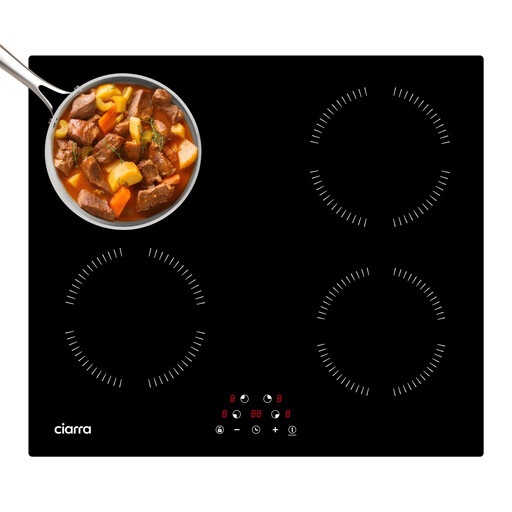 No image available
Consider this format when the compote needs a zone alongside other meal pans. Its four-zone layout is stated in the product name; check that your saucepans have magnetic bases and compare the cut-out and electrical requirements with your kitchen.
 No image available
Consider the flexible bridge if you use large or long cookware as well as a compote saucepan. The product name specifies four zones and touch controls; check the pan requirements, installation opening and connection method before ordering.
 No image available
For compote cooked alongside other dishes, compare this model’s zone layout and controls with the pans you use. Its product name specifies a hardwired connection; check magnetic pan compatibility, fitting dimensions and the required electrical supply.
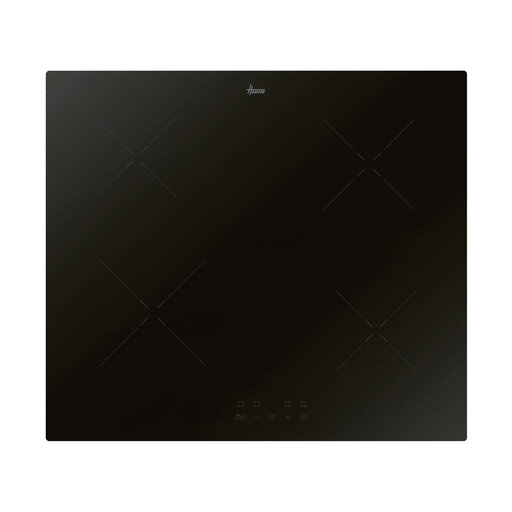 No image available
Four zones offer separate places for the compote and other meal pans. Check that your pans suit induction, then confirm the worktop opening and electrical connection in this model’s installation instructions.
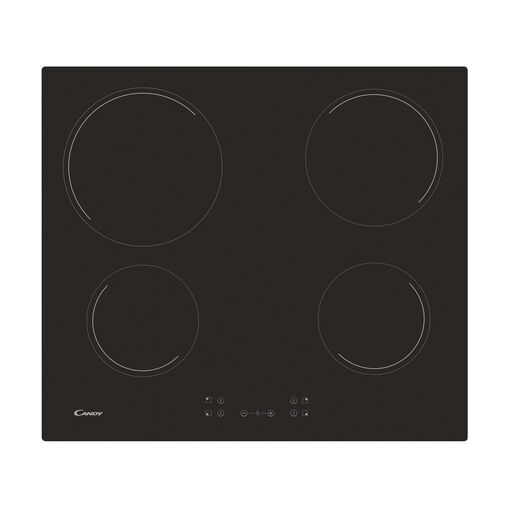 No image available
Consider this ceramic format if you want to keep non-magnetic saucepans while preparing compote and the rest of the meal. Check this model’s zone layout, heat controls and installation instructions; allow for residual heat after cooking.
It will need a magnetic base. Electrolux recommends checking whether a magnet sticks strongly to the base; also check that the pan is flat and falls within the exact hob’s permitted size range.
Ceramic electric is a practical route if keeping those pans is your priority. Bosch describes its ceramic electric category as compatible with all kinds of pots and pans, while induction requires magnetic cookware; remember that the ceramic surface stays hot after switch-off.
If electrical installation or alteration is needed, Electrical Safety First strongly recommends using a registered electrician. Check the exact hob’s connection requirements before ordering; for example, AEG specifies its TO84IB00FB as hardwired only.
A single-zone portable hob can handle the compote pan, but it cannot cook several pans simultaneously. Use it as a supplementary or temporary station if the rest of the meal needs other cooking space.