Short-stay one-pan cooks
If you want to soften and simmer leeks without changing the cottage kitchen, a compact plug-in induction hob may suit you. Check that you can use it on a stable worktop with a suitable socket and magnetic-base pan.


For a short stay or an extra cooking zone, a portable induction hob is a practical choice for one pan of creamy leeks, provided the cottage has a suitable socket and stable worktop and the pan has a magnetic base. Choose two portable zones if another dish must cook at the same time; consider a fitted induction or ceramic hob only for a permanent kitchen change, after checking installation requirements. Ceramic accommodates non-magnetic pans, but its surface can remain hot after switch-off.
If you want to soften and simmer leeks without changing the cottage kitchen, a compact plug-in induction hob may suit you. Check that you can use it on a stable worktop with a suitable socket and magnetic-base pan.
If the leeks need to simmer while another pan is cooking, look at two-zone portable units or, for a permanent kitchen, a multi-zone fitted hob.
If you are fitting out the kitchen and want to retain pans that may not have magnetic bases, consider a ceramic hob. Check its fitting and electrical requirements before ordering.
The main decision is whether the hob is for temporary cooking or a permanent kitchen change; then match its zones, cookware requirements and electrical needs to the cottage.
Choose when: One pan of leeks is the main task and you need to put the hob away afterwards.
Trade-off: You cannot cook a second pan at the same time, and the pan must work with induction.
Choose when: The leeks must simmer while you cook another part of the meal.
Trade-off: It takes more clear worktop space, and both pans need magnetic bases.
Choose when: An owner is fitting a permanent kitchen and wants several induction zones.
Trade-off: The worktop and electrical arrangement must suit the exact model, and non-magnetic pans will not work.
Choose when: A permanent hob is needed and keeping non-magnetic cookware matters.
Trade-off: The surface can remain hot after switch-off, and fitting requirements still need checking.
| Concern | What to check | Who this matters to |
|---|---|---|
| Portable one-pan setup | Check for a stable, suitable worktop and socket, and a pan size that fits the chosen hob. | If I only need to soften and simmer leeks during a short stay, I want a hob I can put away rather than a kitchen alteration. Around 45% of consumers put that portable one-pan need first. |
| Two-pan capacity | Compare zone sizes, the total connection rating and the worktop space required. | When another dish must cook while the leeks simmer, one zone would make me cook in stages. For around 27% of consumers, cooking with two pans takes priority. |
| Permanent kitchen fitting | Confirm the cut-out, the exact installation instructions and the suitability of the electrical supply. | As a cottage owner replacing the kitchen hob, I need a fitted appliance that works with the available space and circuit. A permanent fitting is the primary concern for around 18% of consumers. |
| Existing cookware | Check whether intended pans have magnetic bases; consider ceramic if retaining non-magnetic pans is essential. | If I want to keep using a non-magnetic saucepan, an induction hob will not heat it. Keeping existing cookware usable comes first for around 10% of consumers. |
Induction will not heat a pan without a magnetic base, leaving you unable to use that pan for the leeks.
Check for an induction marking or test the base with a fridge magnet before buying. If it is not magnetic, consider ceramic or obtain a compatible pan.
Keeping an induction hob may mean getting another pan for the dish.
Electrical Safety First warns against overloading socket outlets with too many appliances. A portable hob’s rating therefore matters alongside the other appliances in use.
Check the hob’s rated power and current, use a suitable socket and keep plugs and leads in good condition. Do not overload an extension lead or socket outlet.
A single-zone hob can simmer the leeks, but it cannot heat a second pan at the same time.
If you regularly cook both dishes together, compare two-zone models’ worktop footprints, individual zones and total connection ratings.
Otherwise, you may have to cook the meal in stages.
A built-in model needs to suit the worktop and electrical arrangement. Ceramic surfaces may also stay hot after the controls are switched off.
Read the exact installation instructions and confirm the cut-out and circuit before ordering; use a qualified electrician where required. Consider clear residual-heat indicators if guests or children may use the kitchen.
IKEA’s TILLREDA range provides portable induction examples for a small kitchen or temporary extra cooking zone.
Tefal’s IH201840 is a portable single-zone induction example for cooking one pan.
Bosch provides fitted induction models and guidance that helps distinguish induction from ceramic when planning a permanent kitchen.
Hotpoint’s HR 612 C H is a fitted four-zone ceramic example for a permanent kitchen.
These choices cover a portable induction hob for temporary cooking and fitted induction or ceramic hobs for a permanent cottage kitchen. Decide which setup you need before comparing models.
 No image available
A portable option to consider when you need to cook leeks without fitting a permanent hob.
The product description lists 10 heat settings, touch controls and six preset functions. Use a magnetic-base pan; check the pan-size range and rated current for your cottage setup, and do not leave cooking unattended.
 No image available
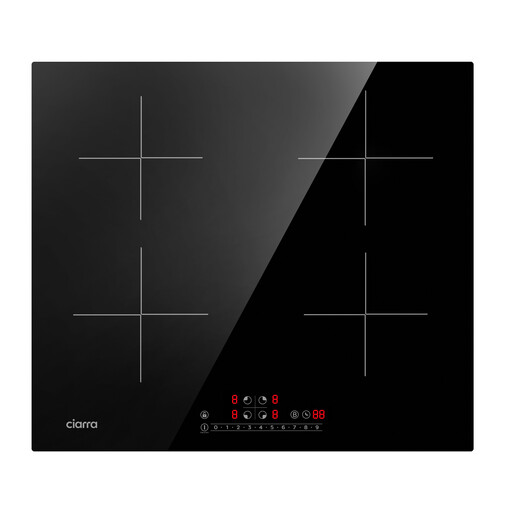
Consider this fitted hob for an owner-led kitchen change where the leeks may cook alongside other pans.
Its description specifies four induction zones, nine power levels and individual timers, with a stated 7200W total power and 32A rated fuse. Check the cut-out and electrical requirements and arrange suitable installation; use magnetic-base pans and supervise cooking.
 No image available
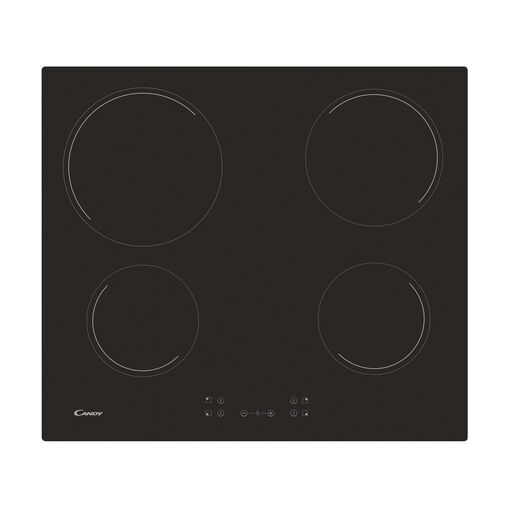
This fitted ceramic model is relevant when an owner wants several cooking zones while retaining pans that may not work with induction.
The product description lists four zones, touch controls, residual-heat indicators and a child lock. Confirm the exact cut-out and electrical requirements and arrange installation by a qualified electrician; allow for residual surface heat.
 No image available
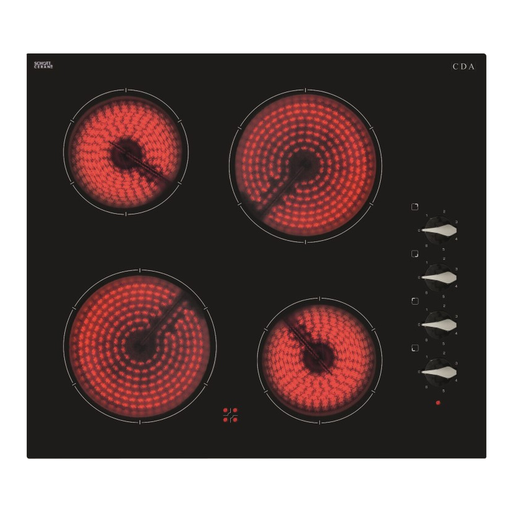
Consider this fitted ceramic hob when you need room for several pans and want to keep cookware that may not have magnetic bases.
Its description specifies four zones, side-mounted rotary controls and residual-heat indicators. Check the heat-control range if fine simmer adjustment matters, and confirm the cut-out and stated 30A hard-wired supply requirements before fitting.
Yes, if you are cooking one pan and have suitable cookware, worktop space and a socket. A single-zone hob lets you adjust the heat while softening and simmering the leeks; supervise the pan, especially when adding milk or cream.
They will work only if their bases are suitable for induction. Check for an induction marking or test the base with a magnet, then confirm that the pan size suits the particular hob; otherwise, use compatible cookware or consider ceramic.
Consider a fitted ceramic hob when keeping non-magnetic cookware is decisive for a permanent kitchen. Bosch says ceramic works with a broad range of pans, whereas induction requires magnetic cookware; remember that a ceramic surface can stay hot after switch-off.
Do not assume a built-in hob is a straightforward plug-in replacement. Electrical Safety First advises checking an appliance’s power requirements; follow the exact installation instructions, confirm the worktop and circuit are suitable, and consult a qualified electrician where required or if you are unsure.