One-pot cooks with induction-compatible pans
If you mainly need to fry ingredients and simmer sauce in one pan, a portable induction hob offers a cooking surface you can put away afterwards. Check that your pan has a suitable magnetic base.


For a one-pot lentil bolognese, a portable single induction hob is a practical starting point if your pan is induction-compatible and you have an approved, clear place to use it. Choose a two-ring electric hot plate if you regularly cook pasta and sauce at once or want to keep using non-magnetic pans, allowing space and cooling time for both plates. A built-in hob is a kitchen alteration rather than a personal tabletop purchase, so confirm its fit, installation arrangements and the property manager’s permission first.
If you mainly need to fry ingredients and simmer sauce in one pan, a portable induction hob offers a cooking surface you can put away afterwards. Check that your pan has a suitable magnetic base.
Two independently controlled rings let you use separate pans at the same time. An electric hot-plate setup also merits consideration if you want to keep using non-magnetic cookware, provided there is room for the appliance and both pans.
A multi-zone built-in hob is a property-level decision for a kitchen used by several people. The household or property manager needs to settle worktop fit, installation arrangements and permission before purchase.
Consider it when: One compatible pan handles most of your cooking and the hob needs to be stored after use.
Trade-off: One zone cannot simmer sauce and boil pasta in separate pans simultaneously; Bosch says induction requires magnetic cookware.
Consider it when: Separate pans for sauce and pasta are a regular part of the meal, or induction would rule out pans you want to keep.
Trade-off: Allow room for two pans and time for the plates to cool before clearing the shared worktop.
Consider it when: The household is planning a permanent kitchen change rather than an extra personal appliance.
Trade-off: Worktop fit, installation and permission need resolving before choosing a model.
| Concern | What to check | Who this matters to |
|---|---|---|
| Sauce control | Look at the named hob’s adjustable settings and timer, then check whether its controls suit the simmer you need. A programme is not a reason to leave cooking unattended. | If I make the sauce in one pan, I want enough control to move from frying ingredients to a simmer without relying on a preset to manage the meal for me. Around 37% of consumers put sauce control first. |
| Shared-space use | Check for a stable, clear position near a suitable socket, safe cable routing and permission to use a personal appliance. | I need to cook without crowding other people’s worktop or creating a trailing lead near the sink. For around 36% of consumers, safe shared-space use is the primary concern. |
| Two pans and cookware | Check whether you need independently controlled rings and whether your existing pans work on induction. | When pasta and sauce must be ready together, I need space for both pans; keeping non-magnetic cookware may also shape the choice. Two-pan or cookware flexibility comes first for around 27% of consumers. |
Bosch says induction requires magnetic cookware, so an unsuitable saucepan can prevent you from using the hob for the meal you planned.
Check the pan maker’s guidance or whether a magnet adheres to the base. If you want to keep using non-magnetic pans, consider an electric hot-plate route instead.
Electrical Safety First warns that extension leads and block adaptors must not be loaded beyond their ratings. A crowded shared kitchen also makes trailing cables harder to keep clear.
Use a suitable direct wall socket where possible, never daisy-chain extension leads, and stop using equipment with a damaged cable, scorch marks, sparks or a burning smell.
Two rings can help you cook pasta and sauce together, but the appliance and pan handles occupy more worktop. Hot plates need time to cool before the unit is moved or stored.
Check the clear space available for both pans and let other kitchen users know when the plates are cooling.
Rules for personal appliances and fitted alterations are different decisions. A landlord’s electrical-installation duties do not themselves give a resident permission to change a shared kitchen.
Ask the accommodation provider about a portable hob before buying one. For a fitted change, obtain written permission and agree the installation arrangements first.
Tefal’s IH201840 is a portable single-zone induction model relevant to one-pan sauce cooking.
Daewoo’s identified portable single induction model is another one-pan option with manual controls.
The Russell Hobbs 15199 is a portable two-plate alternative for cooking with separate pans.
Bosch provides fitted-hob options and distinguishes induction cookware requirements from those of ceramic electric hobs.
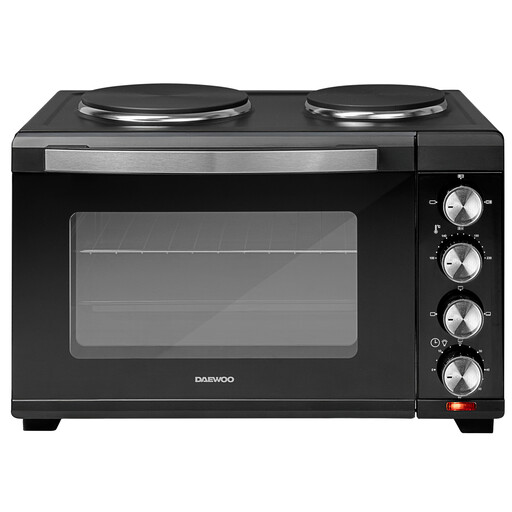
These countertop choices cover a portable single induction hob for one-pan cooking and an oven with two hot plates for meals using separate pans. Check which format fits the shared worktop and the way you cook.
 No image available
Consider this single hob for one-pan lentil bolognese if you have an induction-compatible pan and a suitable place to use it.
The product is listed with 10 power settings, six functions, touch controls and a safety lock. Check that your pan fits and that the available settings suit the simmer you want; a lock does not replace supervision.
 No image available
Consider this format if you need separate pans for sauce and pasta and also have room for a countertop oven, rather than a hob-only appliance.
The product title lists 3000 W and a 32 L oven. Before using the oven and hot plates together, check the appliance’s rated load, its instructions and the suitability of the socket.
It will need an induction-compatible magnetic base. Bosch says induction requires magnetic cookware; check the pan maker’s guidance or whether a magnet adheres to the base before choosing a hob for that pan.
Do not use one as a way to add capacity to an already loaded socket. Electrical Safety First warns against overloading extension equipment and daisy-chaining leads; a suitable direct wall socket is preferable. If an extension device is unavoidable, check its marked rating, condition and the combined load before use.
Use a stable, clear surface where the lead will not trail across a walkway or near water, and keep the appliance attended while cooking. Electrical Safety First highlights water, hot surfaces, cables and high-power appliances as kitchen hazards; also check the household’s rules for personal appliances.
Do not assume you can alter the kitchen without approval. For a built-in hob, ask the landlord, managing agent or accommodation provider for written permission and confirm how the installation will be arranged before buying it.