Multi-dish dinner-party hosts
If pears are poaching while you prepare accompaniments, look for enough usable zones for your pans and controls that let you reduce the heat for a gentle simmer.


Choose induction if your pear-poaching pan has a flat, magnetic base and you want to turn down the heat promptly once the liquid is hot. Choose ceramic electric cooking if keeping a non-magnetic pan or using physical knobs matters more, while allowing for the glass surface to stay hot after cooking. In either case, check the space for your other pans, the worktop cut-out and the exact hob’s electrical connection before ordering.
If pears are poaching while you prepare accompaniments, look for enough usable zones for your pans and controls that let you reduce the heat for a gentle simmer.
Check whether the exact hob plugs in or needs hardwiring, then compare its installation requirements and worktop cut-out with your kitchen before ordering.
If your pan may have a non-magnetic base, check it before choosing induction. A ceramic electric hob may be the more practical route if you want to keep using that pan.
For pear poaching, start with the pan and the heat control you need, then check whether the hob can accommodate your other dishes and fit the kitchen.
Consider it when: Your poaching pan has a suitable magnetic base and you want to reduce the heat promptly after warming the liquid.
Bear in mind: The pan must also fit the model’s zone-size requirements.
Consider it when: You regularly use a long or oversized pan that can make use of linked zones.
Bear in mind: A bridge adds little for an ordinary round poaching pan; check the exact model’s electrical requirements.
Consider it when: Keeping a non-magnetic poaching pan or choosing physical knobs is your priority.
Bear in mind: Elements beneath the glass heat the cooking surface, which remains a concern after you turn the hob off.
| Concern | What to check | Who this matters to |
|---|---|---|
| Heat control | Check the model’s power settings and whether it offers a boost function; boost does not replace turning the heat down for poaching. | I want to heat the poaching liquid, then settle it into a gentle simmer without leaving it at full power. Around 42% of consumers put that heat-control need first. |
| Space and installation | Compare usable zones and the worktop cut-out with your pans and kitchen; confirm the connection type and electrical load. | With pears on one zone and other dishes under way, I need a workable pan layout and a hob that can be installed in my kitchen. Roughly 33% of consumers prioritise that combination. |
| Pan compatibility | Test the pan base with a magnet and check induction zone limits, or check a ceramic model’s residual-heat indicators. | I would rather keep my existing poaching pan than discover it cannot be used on the new hob. About 25% of consumers make cookware and familiar controls their primary concern. |
Connection requirements differ: Bosch describes the PUG61RAA5B as Plug & Play, while the AEG SO64IB00FB is hardwired and has a stated 7,200 W electrical load.
Check the exact model’s installation sheet, connected load and cut-out before ordering. Electrical Safety First advises reviewing power requirements and seeking qualified electrical advice when in doubt.
A hardwired installation may require an electrical assessment or professional installation.
Induction requires a magnetic pan base; cookware without a suitable magnetic base will not heat on it.
Test the actual pan with a magnet and compare its flat-base diameter with the hob’s stated zone limits.
You may need a different poaching pan if the existing one is incompatible.
A ceramic electric hob heats elements beneath the glass. A residual-heat indicator warns that the surface is hot; it does not cool the glass.
Keep hands, serving dishes and flammable textiles clear of the cooking area until the warning has gone and the surface has cooled.
The PUG61RAA5B is a four-zone induction model to consider if its Plug & Play connection suits your installation plans.
The SO64IB00FB is relevant if you use cookware that benefits from joining two induction zones.
The HNBCC64105 offers a ceramic-electric option for cooks prioritising non-magnetic pans or physical controls.
The T66FHX4L0 is an induction option to assess if your cooking regularly involves cookware suited to flexible zones.
These built-in induction hobs offer four-zone and, in some cases, bridge-zone choices for cooking pears alongside other dishes. Check your poaching pan and installation requirements before choosing; ceramic electric cooking remains an alternative if your pan is not induction-compatible.
 Image unavailable
Consider this model if you want to poach pears while using other pans, particularly if suitable larger cookware could make use of its flexible bridge.
Its name specifies four zones, touch controls and Boost Mode. Check that the 77 cm hob fits your space, that your pan suits induction and that the electrical connection meets your kitchen’s requirements.
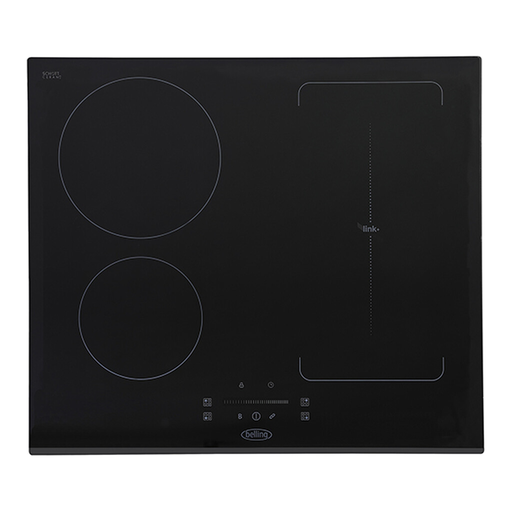 Image unavailable
This is a bridge-zone induction choice to consider if larger cookware sometimes shares the hob with your poaching pan.
The product name identifies a 60 cm induction hob. Confirm the cut-out, electrical connection and compatibility of the pans you intend to use.
 Image unavailable
Consider this four-zone induction option if you need room for the poaching pan and other dinner-party dishes.
Its product name specifies hardwired installation. Have the electrical requirements and worktop cut-out checked, and confirm that your poaching pan fits an induction zone.
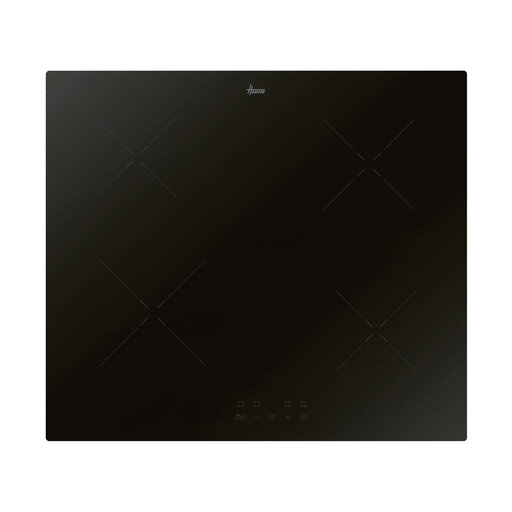 Image unavailable
Its four-zone layout is worth considering when the pear-poaching pan must share the hob with other pans.
The product name specifies a 60 cm induction hob. Check the worktop fit and electrical requirements, along with your pan’s magnetic base and zone fit.
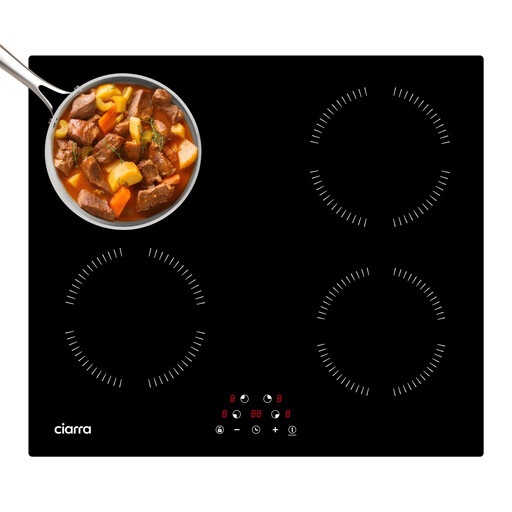 Image unavailable
Consider this four-zone layout if you want to keep other cooking areas available while pears poach.
The product name identifies a 60 cm built-in induction hob. Check its cut-out and electrical connection, and compare your pan’s base with the model’s zone requirements.
It needs a suitable magnetic base. Electrolux UK Support recommends checking the pan base with a magnet; also check that it is flat and falls within the exact hob’s permitted pan-size range.
No: if your hob has a boost function, use it for initial heating and then reduce the setting to maintain a gentle simmer. Electrolux UK Support says the maximum boost setting on the hob covered by its guidance returns to the previous setting after up to 10 minutes; check your own model’s controls.
No; the connection depends on the model. Bosch describes the PUG61RAA5B as Plug & Play, whereas the AEG SO64IB00FB is hardwired with a stated 7,200 W load. Check the installation sheet and seek qualified electrical advice if you are unsure whether your kitchen meets its requirements.