One-pot small-kitchen cooks
If you usually make one saucepan of soup and need the worktop for other tasks afterwards, a portable induction hob is worth considering. Tefal’s portable models illustrate this store-away format.


For one-pot red lentil soup, a portable single-zone induction hob makes sense if you need to put it away and reclaim the worktop. Consider a compact two-zone or 60 cm built-in hob if you regularly use more pans and the kitchen can accommodate the selected model’s cut-out, ventilation and electrical requirements. Whichever induction format you choose, check that your saucepan has a magnetic base and that the hob supports its size.
If you usually make one saucepan of soup and need the worktop for other tasks afterwards, a portable induction hob is worth considering. Tefal’s portable models illustrate this store-away format.
If you want a permanent hob without committing to a standard-width appliance, consider a compact built-in format. Bosch advises checking the selected model’s cut-out and ventilation instructions rather than relying on its overall width.
If soup is often accompanied by another dish, compare two- and four-zone layouts with the pans you actually use. A wider hob offers more zones, but it still needs a suitable permanent installation.
Choose it when: One-pot cooking is the norm and you need to clear the worktop after making soup.
Allow for: One pan at a time, compatible cookware and an electrical supply suitable for the appliance.
Choose it when: You want a permanent cooking surface with two zones and have space for a compatible fitted installation.
Allow for: Model-specific worktop, cabinet and ventilation requirements, even with an approximately 30 cm hob.
Choose it when: You regularly cook soup alongside other pans and the kitchen can accommodate the selected hob.
Allow for: A larger permanent footprint; the stated width alone cannot establish installation fit.
| Concern | What to check | Who this matters to |
|---|---|---|
| Space and installation | For a portable hob, check its storage footprint and whether one zone is enough. For a fitted hob, compare the exact cut-out and ventilation instructions with your kitchen. | I need the worktop back after cooking, or I want to avoid altering the kitchen just to make soup. Around 40% of consumers would put reclaimable space or minimal installation disruption first. |
| Boil-to-simmer control | Compare adjustable power levels and any soup or stew setting; confirm that your pan falls within the hob’s supported size range. | Once the lentils reach a boil, I want to turn the heat down and manage the simmer without relying on the maximum-power rating. For around 30% of consumers, cooking control would be the primary concern. |
| Pans and meal capacity | Check existing pans for a magnetic base and compare their sizes with the supported zones. Count how many pans you normally need at once. | If I cook a side dish with the soup, I need room for another pan; if I keep my existing saucepan, it must work with the hob. Those pan and meal-setup needs would come first for around 30% of consumers. |
A built-in hob can be unsuitable even when its stated width looks right. Bosch says installation measurements vary by model and identifies ventilation requirements that can affect the worktop.
Get the selected model’s installation drawing and compare its cut-out, clearances and ventilation requirements with the kitchen before ordering.
Making room for a fitted hob may involve worktop or cabinet alterations.
Induction needs a magnetic pan base. Bosch distinguishes this from ceramic electric hobs, which accept a wider range of cookware.
Check your soup pan with a magnet and compare its diameter with the selected hob’s supported range.
If your usual pan is unsuitable, you may need different cookware.
A portable single-zone hob accommodates one pan at a time; a fitted two- or four-zone layout provides separate cooking positions when the kitchen can support it.
If you routinely prepare rice, vegetables or another dish alongside soup, assess the number and layout of zones before choosing a portable model.
The UK Office for Product Safety and Standards reported a serious fire risk for one induction cooker whose plug fuse link did not conform to BS 1362. That report concerns the identified product, not every portable hob.
Check that the appliance and its plug are suitable for your electrical supply, inspect the cable and plug, follow the manual and consult current product-safety notices before use.
Tefal’s portable induction models are relevant if you cook one saucepan at a time and want to store the hob afterwards.
Bosch offers built-in electric-hob formats, including compact and wider options for kitchens where a fitted installation is feasible.
Neff’s built-in range is relevant if you want a permanent hob, from its 30 cm Domino concepts to wider multi-zone induction models.
These choices cover a portable hob for one-pot cooking, a compact fitted two-zone hob and a 60 cm fitted four-zone hob. Decide whether you need to store the appliance or cook with several pans before comparing their individual controls and installation requirements.
 No image available
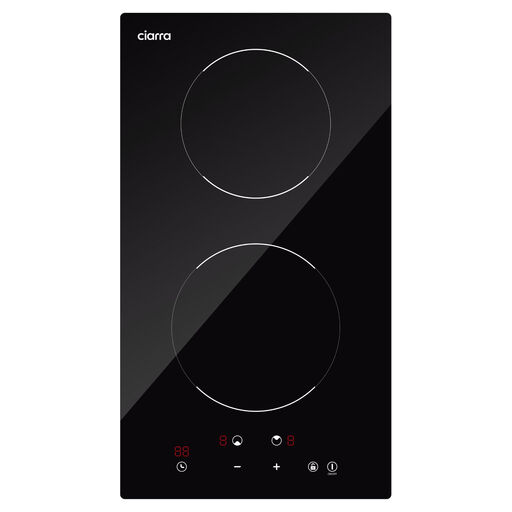
Consider this fitted format if you want a second cooking zone alongside your soup pan and have room for a compact installation.
Its product title states a 2900 W rating, nine power levels, touch control, a timer and a child safety lock. Check the installation manual for the required cut-out, ventilation and electrical connection, and use magnetic cookware.
 No image available
Choose a portable one-pan format if you need to put the hob away after making soup.
The product title states 10 power settings, six functions, touch control and a safety lock. Before buying, check that your magnetic soup pan fits, that the appliance will fit your storage space and that its plug and electrical requirements suit your supply.
 No image available
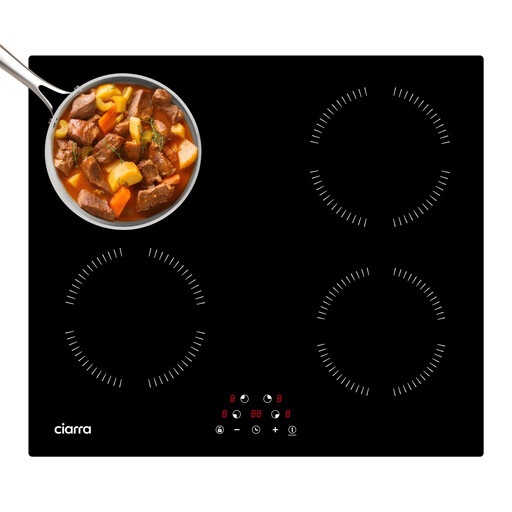
This permanent four-zone layout is relevant if you often cook soup alongside other pans and can accommodate a standard-width hob.
The product title identifies a 60 cm built-in induction hob with four zones and modular power control. Confirm the exact cut-out, ventilation and electrical requirements in its installation manual, and check that your pans have magnetic bases.
It will work if the pan has a magnetic base and is an appropriate size for the selected hob. Bosch states that induction requires magnetic cookware; for the portable Tefal IH201840, Tefal specifies a supported pan diameter of 12–26 cm. Check your own model’s range rather than applying that figure to every hob.
The opening’s width alone cannot establish whether a particular hob will fit. Bosch says installation measurements vary by model, so compare the selected hob’s installation drawing with the cut-out, worktop, cabinet clearances, ventilation and electrical connection before ordering.
Do not apply one nation’s installation guidance across the whole UK. GOV.UK publishes Approved Document P electrical-safety guidance for dwellings in England, while GOV.WALES notes that electrical work during a kitchen refit may require building-regulations approval in Wales. For a fitted hob or rewiring, check the requirements applicable where you live and the selected model’s instructions before arranging the work.
Check that the appliance suits your electrical supply, that its plug and cable are in good condition, and that you can use it as its manual directs. The Health and Safety Executive advises checking electrical equipment for suitability and condition. Check current product-safety notices too: the UK Office for Product Safety and Standards has reported a serious plug-fuse fault affecting a particular induction cooker.