What matters when choosing a hob?
Decide whether induction works with your main pot, then plan the cooking positions you need at the same time. Compare simmering controls and installation requirements on the individual models that fit that plan.
| Concern |
What to check |
Who this matters to |
| Space for the stew and sides |
Count pans that must cook together; compare zone spacing and whether a bridge or flex area fits the stew pot. |
If my large pot takes up too much room, I still need space to cook the accompaniments. Around 36% of consumers put simultaneous cooking space first. |
| Boiling and simmering control |
Compare accessible heat settings and timers; consult model-specific heating and gentle-simmer tests where available. |
I need to turn down the heat after the stew reaches a boil without leaving it bubbling hard. For around 29% of consumers, controlled simmering is the primary concern. |
| Cookware and kitchen fit |
Check induction compatibility for key pans, then compare the exact cut-out and electrical connection instructions. |
I want to keep using my stew pot and avoid choosing a hob that cannot be installed in my kitchen. Those fit and compatibility needs come first for around 21% of consumers. |
| Clean-up and hot-surface awareness |
Look for residual-heat indicators and control locks on the chosen model, and follow its cleaning instructions. |
With guests nearby and splashes to clear afterwards, I want clear controls and a reminder that the glass may still be hot. Around 14% of consumers prioritise these concerns. |
Joybuy hob options
These built-in options cover induction hobs for cooking the stew alongside other pans and a ceramic hob for consumers who want to keep using existing cookware. Compare each model's cooking layout with your pot before checking its installation requirements.
 No image available
Belling IHL773 BLK 77 cm induction hob
Consider this wider hob if the stew pot needs a flexible bridge area while other pans are in use. Its product title specifies four cooking zones; check the pot's fit, the worktop opening and the model's electrical installation instructions.
View on Joybuy
 No image available
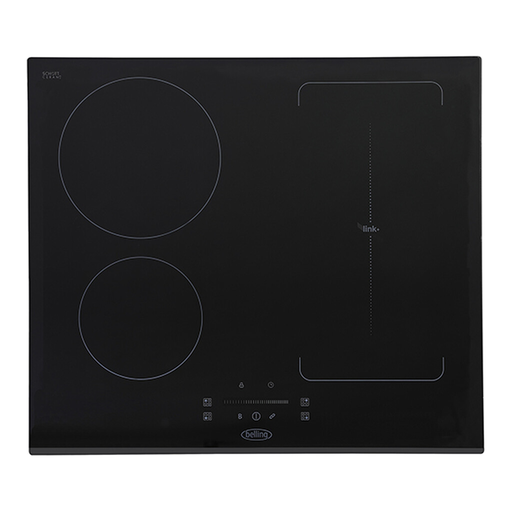
Belling ComfortCook IHL603 60 cm induction hob
Consider this standard-width induction option if you need positions for the stew and side dishes. Check how its linked cooking area accommodates your pot, and confirm the electrical connection and worktop fit against the installation instructions.
View on Joybuy
 No image available
Bosch PIE631BB5E Series 4 60 cm induction hob
This hardwired induction model is worth comparing if you plan to cook the stew and accompaniments in separate pans. Check that its zone layout fits the stew pot, then confirm the required worktop opening and circuit with an installer.
View on Joybuy
 No image available
Hoover HI642BCB 60 cm four-zone induction hob
Its four-zone layout is an option when the stew and accompaniments need separate cooking positions. Check the space available for the large pot and have the model's electrical requirements assessed before installation.
View on Joybuy
 No image available
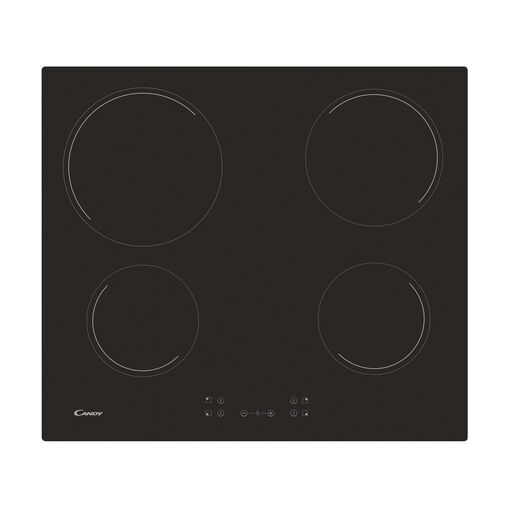
CANDY CH64CCB 59 cm ceramic hob
Consider this ceramic option if keeping your existing stew pot is the priority; Which? says existing pots and pans should work on ceramic electric hobs. Check that the cooking positions suit your menu, confirm the cut-out and electrical requirements, and treat the glass as potentially hot after cooking.
View on Joybuy
Frequently asked questions
Should I choose induction or ceramic for a seafood stew dinner party?
Choose induction if the stew pot and other essential pans are compatible and its zone layout suits your menu; choose ceramic if keeping existing cookware is the deciding factor. Which? explains that induction generates heat in the pan, while a ceramic hob heats elements beneath the glass, and says existing pans should work on ceramic hobs.
Is a 60 cm four-zone hob enough for a stew and side dishes?
It can be enough when your stew pot and the other pans fit the usable zone layout at the same time. If you regularly need a large pot plus several active pans, compare wider layouts; AEG's 80 cm SK85IM0XFB, for example, has five zones, but its required worktop opening must also fit your kitchen.
Do I need an electrician for a built-in electric hob?
Have a qualified local installer check the chosen hob's connection instructions and your existing circuit before purchase, particularly for a hardwired model. GOV.UK's Approved Document P addresses electrical safety in dwellings in England; Electrical Safety First provides guidance covering the different arrangements across UK nations, so check the requirements where the property is located.
What should I keep after the hob is installed?
Keep the model and installation documents, follow the model-specific cleaning and safety instructions, and register the appliance if the manufacturer offers registration. Electrical Safety First notes that registration helps a manufacturer contact owners if an appliance is later found to be faulty or dangerous.


