One-pot small-kitchen cooks
If you usually make soup in one pan, a single cooking zone may meet your needs without permanently occupying the worktop. A portable hob also gives you the option of storing it between uses.


Choose a portable induction hob if one soup pot is enough and you need to put the appliance away afterwards. A built-in induction hob suits a permanent, multi-pan setup only when the worktop, ventilation and electrical connection fit the chosen model; a radiant ceramic hob is worth comparing if you want to keep pans that are not induction-compatible. For soup, check how the exact hob handles gentle cooking as well as whether your saucepan fits.
If you usually make soup in one pan, a single cooking zone may meet your needs without permanently occupying the worktop. A portable hob also gives you the option of storing it between uses.
A permanent multi-zone hob may suit you if you cook other dishes alongside soup. Before choosing one, match its installation instructions to the worktop opening, cabinet ventilation and available electrical connection.
If keeping your existing saucepans matters, check whether they work on induction before committing to it. A radiant ceramic electric hob offers another route for pans that are not induction-compatible.
Choose it when: You normally cook one pot at a time and want to reclaim the worktop after making soup.
Accept: One active cooking zone and the need for an induction-compatible pan within the model’s supported size range.
Choose it when: You want a permanent hob for soup and other pans, and the exact model can be installed in your kitchen.
Accept: A fixed worktop installation, model-specific electrical and ventilation requirements, and induction-compatible cookware.
Choose it when: You want a permanent electric hob while retaining cookware that is not suitable for induction.
Accept: It is a different heating method; check the selected model’s controls, installation instructions and hot-surface precautions rather than assuming it behaves like induction.
| Concern | Buying checks | Who this matters to |
|---|---|---|
| Worktop space | For a portable hob, check the space available both in use and in storage. For a built-in hob, compare the exact cut-out and cabinet requirements with your kitchen. | If I only use one soup pot, I would rather clear the worktop afterwards than dedicate it to extra zones. Around 33% of consumers put space and flexibility first. |
| Soup control | Check the exact model’s lower heat settings and whether it offers a timer, pause control or stated simmer or stew function. | Bringing soup to a boil is only part of the job; I also want to keep an eye on it while it cooks gently. For around 42% of consumers, control and safe handling are the primary concern. |
| Multi-pan cooking | Count the zones you need at once, then check pan compatibility, connection type and electrical loading for the chosen hob. | If soup is usually one part of a meal, I need room for other pans and a permanent setup that works with my kitchen. Multi-pan capacity and its installation needs come first for around 25% of consumers. |
Hob width is not the cut-out measurement. AEG specifies a 560 × 490 mm cut-out for its IBX64200CB, while Bosch advises checking installation measurements model by model.
Measure the opening and cabinet, then compare them with the chosen hob’s instructions, including clearance and ventilation, before arranging installation.
A mismatch can mean worktop alterations or an installation that cannot proceed as planned.
Induction needs compatible cookware, and portable models can specify different supported pan sizes. Tefal lists a 12–25 cm base range for the IH201840 and a 12–26 cm pan range for the IH210840.
Check your usual saucepan’s base and diameter against the exact hob you are considering.
You may need a different saucepan if the one you own does not meet those requirements.
AEG lists its IBX64200CB with a UK moulded plug and 3,000 W total loading, but lists the TO64IA00IT at 7,200 W with no supplied cord. A hob’s width does not establish its connection requirements.
Check the selected model’s connection type, loading and installation instructions against the available supply.
A hardwired or higher-load model may need different installation work from a plug-connected model.
Soup can spill while heating or simmering. Electrical Safety First advises against leaving electrical appliances switched on and unattended.
Set the hob on a stable, dry surface, keep its lead and socket area away from water, stay nearby while cooking and follow the manual before cleaning it.
These brands illustrate different hob formats and controls; the details below apply to the named models, not every hob from each brand.
Portable single-zone induction hobs for a flexible cooking area.
Built-in induction hobs with model-dependent controls and electrical connections.
Built-in induction options for a permanent cooking area.
A useful point of comparison for built-in induction installation and radiant electric cooking.
These choices cover portable induction for a store-away, one-pot setup and built-in induction for a permanent cooking area. If keeping non-induction cookware is your priority, also consider the radiant ceramic route discussed above.
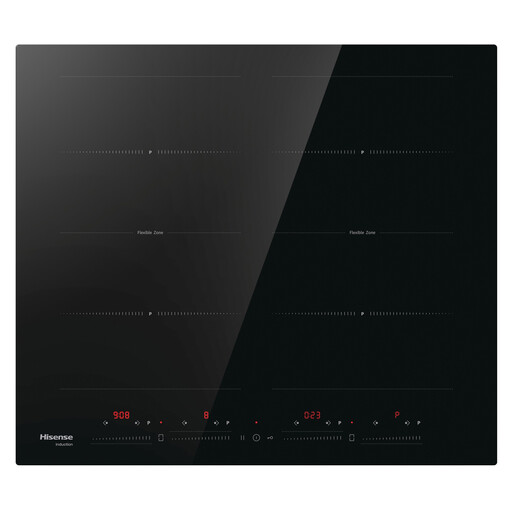 No image available
Consider this built-in option if you want to cook soup alongside other dishes rather than put the hob away after use.
The product name specifies a 60 cm induction hob with Area Flex. Check the exact cut-out, ventilation, electrical connection and suitable pan sizes before choosing it.
 No image available
This portable option suits a one-pot kitchen where you want to clear the worktop after making soup.
Its product name specifies touch controls, 10 power settings, six functions and a safety lock. Check your saucepan’s induction compatibility and supported size; if a timer matters to you, confirm that separately.
 No image available
Consider this permanent hob if your small kitchen has room for a built-in cooking area and you use more than one pan.
The product name specifies a hardwired connection. Confirm the electrical supply, cut-out, clearance, ventilation and induction pan compatibility against the model’s instructions before purchase.
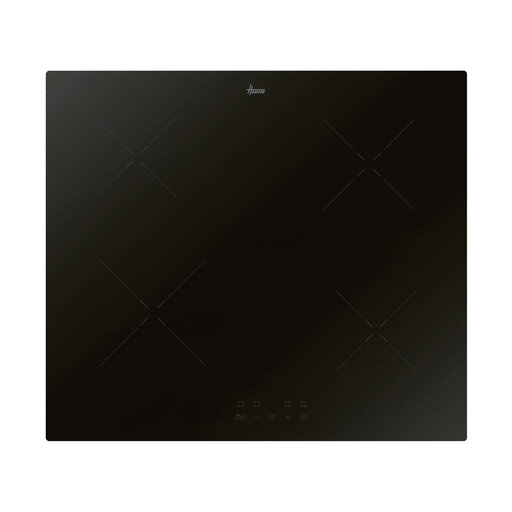 No image available
The four-zone layout is relevant if you want soup on the hob while preparing other parts of a meal.
This is a built-in induction choice. Check the model’s cut-out, ventilation and electrical installation instructions, as well as whether your soup pan is suitable for induction.
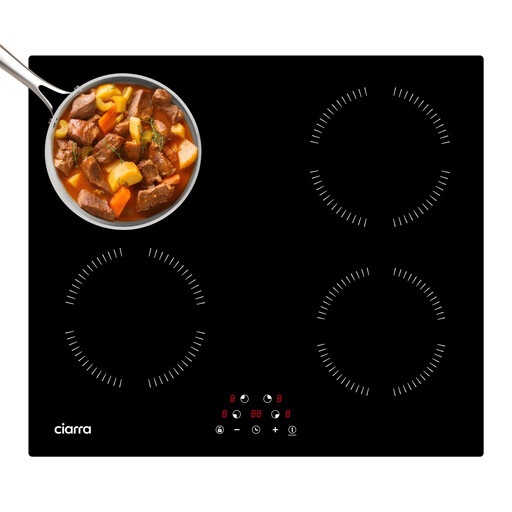 No image available
This built-in option is relevant when you need fixed space for a soup pot and other pans.
Its product name specifies four zones and modular power control. Confirm the electrical connection directly against the exact model’s installation instructions, and check ventilation and induction-compatible pan sizes before choosing it.
It will work only if it is induction-compatible and meets the chosen model’s pan-size requirements. Tefal specifies a 12–25 cm base for its IH201840 and a 12–26 cm pan range for its IH210840, so check both your saucepan and the exact hob before buying.
No: the stated hob width does not guarantee that the cut-out, clearance and ventilation will suit your kitchen. AEG specifies a 560 × 490 mm cut-out for its IBX64200CB, and Bosch advises checking installation dimensions in the selected model’s manual.
Some models have a plug, but you cannot assume that yours will. AEG lists its IBX64200CB with a UK moulded plug and 3,000 W loading, whereas its TO64IA00IT lists 7,200 W and no supplied cord; check the exact installation instructions and use a suitably qualified installer where required.
No: a timer or cooking programme does not make unattended cooking a safe plan. Electrical Safety First advises against leaving electrical appliances switched on and unattended, so stay nearby while the soup heats and simmers.
Check the model’s installation instructions and the electrical-safety requirements that apply to the work. Approved Document P provides statutory guidance for electrical safety in dwellings in England, including when work must be notified; do not assume the same arrangements apply elsewhere in the UK.