What matters when choosing
Decide whether this is a temporary one-pan setup or a permanent shared-kitchen replacement, then check the pan, electrical supply and ventilation arrangements for the option you favour.
Portable induction
Choose it when: You need to put away a hob after toasting one pan of spices.
Accept the trade-off: It provides one cooking zone and needs a compatible pan and suitable electrical supply.
Built-in induction
Choose it when: A permanent shared kitchen needs several zones and its users have compatible cookware.
Accept the trade-off: The property must accommodate installation, and pans need suitable magnetic bases.
Built-in ceramic
Choose it when: Several zones are needed but the kitchen's existing pans make induction compatibility a concern.
Accept the trade-off: Radiant zones retain surface heat after use, and the hob still needs a suitable permanent installation.
| Concern |
What to check |
Who this matters to |
| Heat control |
Look for selectable manual settings and controls that let you reduce heat promptly while attending the pan. |
When dry-toasting a small batch, I want to adjust the heat as the spices change rather than leave the pan at one setting. Around 29% of consumers put attentive heat control first. |
| Portability |
Check the unit's footprint and storage space, plus a clear worktop position near a suitable socket. |
If I cannot make permanent changes to the kitchen, I need a hob I can put away after cooking. For roughly 23% of consumers, a removable setup is the primary need. |
| Cooking aromas |
Assess the existing extractor and its use; consider integrated extraction only if a suitable refit is planned. |
I share the kitchen with people who may use it soon after I toast aromatic spices, so managing lingering smells matters most to me. Around 18% of consumers prioritise that concern. |
| Electrical safety |
Confirm supply suitability and inspect the plug and lead; avoid overloaded socket-outlets or extension leads. |
Before using a portable hob alongside communal appliances, I need confidence that its electrical supply and position are suitable. That is the leading concern for about 18% of consumers. |
| Cooking zones |
For a permanent hob, compare zone count, installation fit and the cookware used by residents. |
If spices are only one part of a shared meal, I need room for other pans at the same time. Several usable zones come first for around 12% of consumers. |
Joybuy built-in hob choices
These choices are for a permanent shared-kitchen hob: one uses induction and the other uses ceramic radiant heating. If you need a removable, one-pan setup instead, use the portable-induction checks above rather than treating a built-in model as a substitute.
 No image available
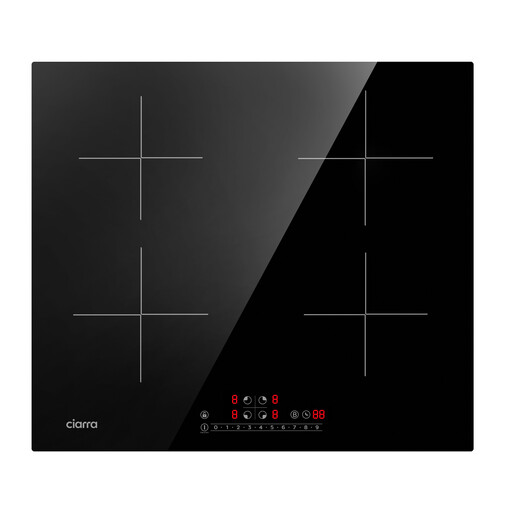
Ciarra 4-Zone Built-in Induction Hob, Black
Consider this built-in option when several residents need cooking zones and the spice pan is suitable for induction.
The product name specifies four zones, touch controls, nine power levels and a booster function. Check that the pan's flat magnetic base fits the zone you intend to use.
Confirm permission for a permanent hob, the worktop fit and the electrical arrangements with a qualified installer before buying.
View on Joybuy
 No image available
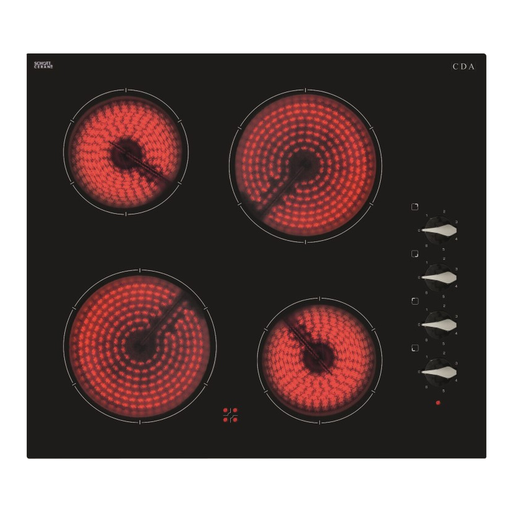
CDA HC6212FR 60 cm Four-Zone Ceramic Hob, Black
Consider this built-in ceramic option when several pans may be in use and induction-pan compatibility would be inconvenient.
The product name identifies a 60 cm four-zone ceramic hob; residual-heat indicators are stated for this model. Check the controls on the offered unit if the number of selectable heat settings matters to you.
The surface can remain hot after cooking. Confirm permission, worktop fit and electrical arrangements with a qualified installer before buying.
View on Joybuy
Common questions
Should I choose induction or ceramic for toasting whole spices?
Choose induction for a removable, one-pan setup if your spice pan has a suitable flat magnetic base and the electrical supply is appropriate. A built-in ceramic hob is an alternative when the kitchen needs several zones and residents use pans that are not suitable for induction, but its radiant surface remains hot after cooking.
Will my existing spice pan work on an induction hob?
It will work only if its base meets the chosen hob's induction requirements. NEFF advises checking for a flat, ferromagnetic base that matches the cooking zone; for Tefal's IH201840, compare the flat base with its stated 12 cm–25 cm compatible range.
Can I use a portable induction hob with a shared-kitchen extension lead?
Do not assume an extension lead makes the electrical supply suitable for a portable hob. Electrical Safety First warns against overloading extension leads and socket-outlets; check the appliance's supply requirements and do not use a damaged or overheating plug, lead or socket.
Can I install a built-in hob in a rented shared kitchen?
Check with the landlord or property manager before ordering or arranging installation, rather than assuming the kitchen can be altered. Confirm the worktop, electrical and ventilation arrangements for that property; local shared-kitchen standards may also be relevant if it is a house in multiple occupation.
How should I clean a portable hob after toasting spices?
Let the hob cool, unplug it and follow its own cleaning instructions. For the IH201840, Tefal specifies a damp, soft cloth for its ceramic plate; keep water away from the electrical connection.


