Hosts cooking several dishes
If the chickpea tagine will simmer while you prepare sides or sauce, the number, arrangement and usable size of the zones matter more than extra connected features.


Choose induction if your tagine and other pans have flat, magnetic bases and you want responsive heat changes between browning and simmering. A bridge or flex area is worth considering when the cookware footprint calls for more adaptable space; ceramic is an alternative if keeping non-magnetic cookware matters more. Whichever type you choose, check the exact zones, worktop cut-out and electrical requirements before ordering.
If the chickpea tagine will simmer while you prepare sides or sauce, the number, arrangement and usable size of the zones matter more than extra connected features.
If your tagine and other pans have flat, magnetic bases, induction is an option when you want to adjust heat promptly as cooking moves from browning to simmering.
If replacing the tagine or other cookware is not part of the plan, consider a ceramic electric hob and compare its defined zone diameters with your pans' bases.
Choose it when: Your tagine has a suitable flat, magnetic base and responsive heat adjustment is a priority.
Keep in mind: The cookware must also meet the chosen model's zone-size requirements; a bridge or flex feature does not make every tagine compatible.
Choose it when: You want an electric glass hob while keeping cookware that is not suitable for induction.
Keep in mind: Pans need to fit its defined zones, and the glass can remain hot after cooking.
| Concern | What to check | Who this matters to |
|---|---|---|
| Heat control | Consider how you will adjust heat between browning and simmering; check any timer or pause functions on the exact model. | If I brown ingredients before leaving the tagine to simmer, I want heat changes that suit both stages. Around 42% of consumers put heat control first. |
| Usable cooking space | Measure the tagine's flat base and compare it, along with your other pans, with the individual zones and any bridge or flex-area instructions. | When sides need hob space alongside the tagine, I need positions that fit the pans I will actually use. Cooking space is the leading need for around 33% of consumers. |
| Cookware and installation fit | For induction, check for a flat, magnetic base; for any hob, check the cut-out, connection type and electrical loading. | I want to keep my existing cookware and avoid choosing a hob that will not fit the kitchen installation. Around 25% of consumers make compatibility and installation their primary concern. |
AEG UK says induction cookware needs a magnetic base; the appearance or material of a tagine alone is not enough to establish compatibility.
Test its flat base with a magnet, then check the chosen hob's instructions for supported pan sizes.
If the tagine is unsuitable, using induction may mean changing cookware.
The worktop opening and electrical connection are separate checks. For example, AEG UK specifies a 560 × 490 mm cut-out and hardwired connection for its 590 mm SO64IB00FB.
Measure the existing cut-out and have the circuit and connection requirements assessed against the exact model before ordering.
A mismatched opening may require worktop alteration.
Bridge and flex layouts differ by model. A larger controlled area does not replace the manufacturer's requirements for the pan's base, shape and placement.
Measure the tagine's flat base and compare it with the specific bridge or flex-area instructions.
Ceramic zones can leave the glass hot after use. Beko's HIC64402T, for example, has a residual-heat indication.
Check the exact hob's residual-heat and child-lock features, and keep serving items away from a surface that is still hot.
A reference for 60 cm bridge-induction layouts: AEG UK describes the SO64IB00FB as a four-zone model whose bridge function joins two zones.
A reference for flex-zone induction: Bosch GB describes the 60 cm PIX631HC1E as a four-zone model with FlexInduction.
A reference for wider induction layouts when a larger hob is being considered for several dishes.
A ceramic-electric reference for cooks comparing defined zones while keeping non-induction cookware.
These induction models offer options for cooking a tagine alongside other dishes. Before choosing one, confirm that the tagine's flat base is magnetic, fits the relevant zone and suits the planned installation; ceramic remains an option if keeping non-magnetic cookware is the priority.
 No image available
Consider this model when a tagine and accompanying pans call for an adaptable cooking area, provided their bases meet the hob's instructions.
The product name specifies four cooking zones and a flexible bridge. Check worktop fit and electrical requirements for this 77 cm model.
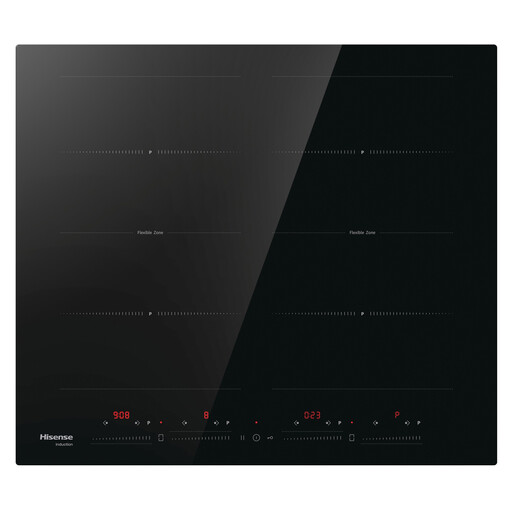 No image available
Its Area Flex layout is worth examining if the tagine will share the hob with other pans. Check the model's cookware-placement instructions against their flat bases.
Confirm the worktop cut-out and electrical connection before choosing this 60 cm model.
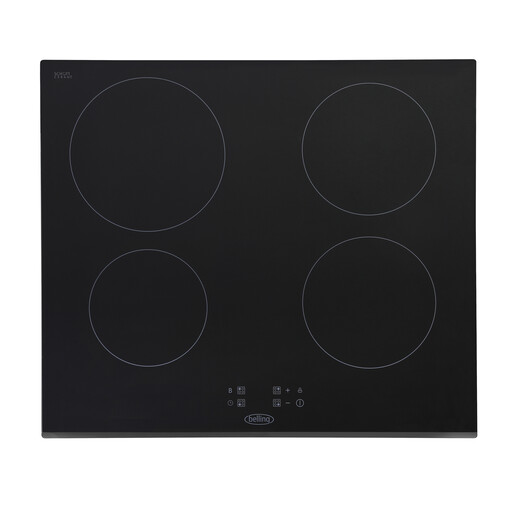 No image available
Consider this induction hob if the tagine and side-dish pans fit its individual cooking positions; check their base sizes against the model instructions.
Confirm the worktop cut-out and electrical connection for this 60 cm model before ordering.
 No image available
Consider this model for a tagine and sides if each pan fits a suitable induction zone. Check the zone-size requirements against the pans' flat bases.
The product name identifies a hardwired connection; confirm the required worktop opening and electrical suitability before purchase.
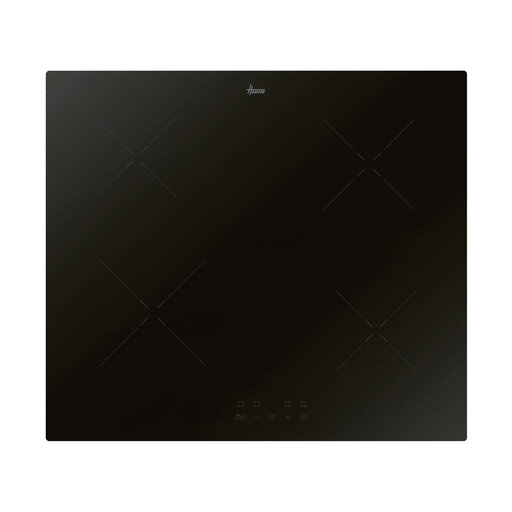 No image available
Its four-zone layout is an option when the tagine and accompanying pans can each use a suitable zone.
Check the zone-size instructions, worktop fit and electrical requirements for this 60 cm model.
It will work only if its base meets the hob's cookware requirements, including a suitable magnetic base. AEG UK recommends checking whether a magnet sticks to the base; also compare the flat base with the exact model's permitted pan sizes.
Not necessarily: a tagine that fits an individual zone does not need a bridge solely because it is a tagine. Consider a bridge or flex area for larger or unusually shaped cookware, then check the exact hob instructions against its flat-base dimensions.
Check the exact worktop cut-out, electrical loading and connection type, not just the visible width. Electrical Safety First advises reviewing power requirements to avoid overloading wiring; ask a qualified installer to assess the proposed installation.
Do not assume one installation process applies everywhere in the UK. GOV.UK publishes Approved Document P guidance for electrical safety in dwellings in England, GOV.WALES provides separate guidance for electrics in Wales, and the Scottish Government publishes domestic building standards guidance. Ask a qualified local installer which requirements apply to your installation.
Check whether the surface is still hot before placing serving items on it. A residual-heat indicator can help: Beko UK specifies one for the HIC64402T, but check the feature and instructions on the exact model you choose.