Regular small-batch compote makers
If you usually cook one saucepan at a time, focus on bringing the fruit to a boil and then lowering the heat for a gentle simmer. Induction is worth considering if that saucepan is compatible.


For regular apple-compote cooking, consider induction if your saucepan has a flat, magnetic base and you want to turn the heat down promptly after bringing the fruit to the boil. A ceramic hob is a practical alternative when keeping non-magnetic cookware matters more; whichever type you choose, check the pan size, worktop fit and electrical connection before ordering.
If you usually cook one saucepan at a time, focus on bringing the fruit to a boil and then lowering the heat for a gentle simmer. Induction is worth considering if that saucepan is compatible.
Start with the saucepan you intend to use. NEFF advises that induction cookware needs a magnetic base, so a non-magnetic pan may make ceramic the simpler choice.
Before choosing extra zones or controls, compare the new hob's installation instructions with your worktop opening and electrical provision. Connection requirements differ between models.
Start with the compote saucepan and the available electrical connection, then decide how much cooking space you need. The considerations below distinguish consumers by the need they would put first.
| Concern | What to check | Who this matters to |
|---|---|---|
| Heat control | Check the available lower settings and controls for reducing heat after boiling; check for a timer if you want a cooking prompt. | I want to lower the heat promptly once the apples are cooking, without relying on a fast-heating setting for the whole process. Around 31% of consumers would put heat control first. |
| Saucepan compatibility | For induction, test whether the base attracts a magnet and compare its diameter with the chosen zone's guidance. | My existing compote pan is the one I want to keep using, so I need to know whether a new hob will work with it. Keeping cookware would come first for around 31% of consumers. |
| Installation and fit | Compare the required worktop cut-out and the exact model's plug-in or hardwired connection with your kitchen. | If I am replacing a fitted hob, it needs to suit both the worktop opening and the available electrical provision. Around 23% of consumers would prioritise installation and fit. |
| Batch size | Check the usable size of the largest zone and how many pans you expect to use at once, not just the hob's overall width. | When I make a larger batch or cook another dish alongside the compote, I need room for the pans I actually use. Cooking capacity would lead the choice for around 15% of consumers. |
Bosch describes the PUG61RAA5B as Plug & Play, while the product information lists the AEG TP95RA07FB ceramic hob as requiring hardwiring. A suitable cooking surface may still be unsuitable for your planned installation.
Before ordering, check the exact model's connection, rated load, supplied plug status, worktop cut-out and installation instructions.
A hardwired model may require an electrician to complete the installation.
NEFF says induction cookware needs a ferromagnetic base; the base must also suit the cooking zone. A pan that does not meet those requirements may not heat as intended.
Test the base with a magnet, check that it is flat and compare its diameter with the selected hob's guidance.
Keeping an induction choice may mean replacing an incompatible saucepan.
The product information lists the Bosch PIV831HB1E as an 80 cm induction model with five zones and a 240 mm central zone for a stockpot. That extra space is relevant to larger pans, but it also needs more worktop width.
Measure the largest pan you expect to use and count how many pans you cook with at once before choosing a wider layout.
Fast initial heating is only one part of making compote. You also need to lower the heat and check the fruit as it simmers.
Consider the control layout, lower settings and timer availability alongside any boost feature; a timer does not replace checking and stirring the pan.
Bosch has induction models spanning plug-in and hardwired installation options, making the exact model important to the choice.
NEFF is relevant if induction cookware fit or a flexible cooking area is central to your decision.
Belling provides an induction example for buyers assessing a 13 A connection.
AEG provides a radiant ceramic example for buyers who would rather keep cookware that is unsuitable for induction.
These 60 cm induction hobs are options to consider if your compote saucepan has a suitable magnetic base. Compare the pan with the zone guidance and check each model's installation requirements; these products do not represent the ceramic alternative discussed above.
 No image available
Consider this built-in option for compote in an induction-compatible saucepan when you also want four cooking zones.
Check the saucepan base against the zone guidance, and confirm the required worktop opening and electrical connection before fitting it.
 No image available
This four-zone induction hob is an option if you make compote in a magnetic-base saucepan and also use the hob for other dishes.
Its title identifies a black-glass finish. Check the pan-to-zone fit, cut-out and electrical connection for the HI642BCB before purchase.
 No image available
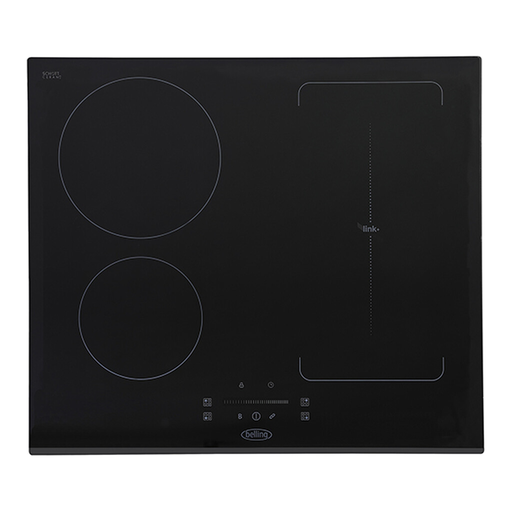
Consider the IHL603 for compote if your saucepan is induction-compatible and a 60 cm hob suits the space.
Check the pan size, required cut-out and electrical supply against the IHL603 installation instructions; connection details for another Belling model should not be applied to this one.
 No image available
This induction model is an option for a compatible compote saucepan where a hardwired installation is planned.
The product title specifies hardwiring and a black-glass finish. Confirm the cut-out, electrical provision and saucepan-base size using the PIE631BB5E instructions.
 No image available
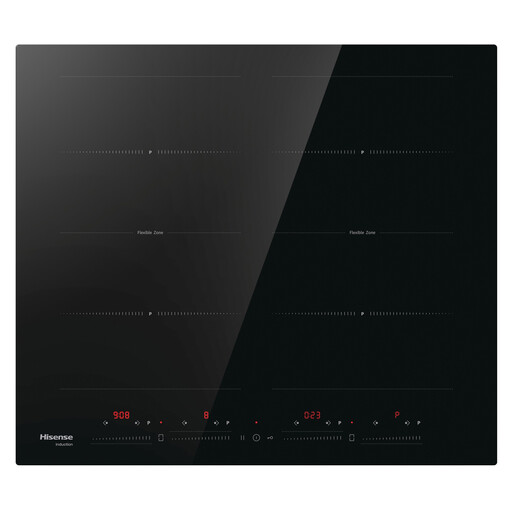
Consider this induction model if you use a compatible saucepan and want to assess its Area Flex layout for your usual pans.
Check the usable cooking area against the pan base, then confirm the worktop cut-out and electrical connection in the HI6442BSCE installation instructions.
Choose induction if your saucepan has a suitable magnetic base and responsive heat changes are your priority; choose ceramic if keeping a non-magnetic pan matters more. General guidance explains that induction heats the pan base directly, while the ceramic route heats a marked surface zone. Check the exact hob's installation requirements either way.
It can work if its base is ferromagnetic and suits the chosen cooking zone. NEFF advises checking that the base is flat and smooth and matches the zone size; use a magnet to check the base and consult the hob manual for its pan-size guidance.
No; the connection depends on the model. Bosch describes the PUG61RAA5B as Plug & Play, whereas the product information lists the AEG TP95RA07FB ceramic hob as requiring hardwiring. Check the installation instructions for the model you choose and arrange qualified installation where required.
Not necessarily: for one saucepan, start by checking whether its base fits a suitable zone on a hob that fits your kitchen. A wider layout becomes relevant if you use a large preserving pan or cook with several pans at once; the Bosch PIV831HB1E listing, for example, specifies an 80 cm hob with a 240 mm central zone for a stockpot.