Frequent batch-broth cooks
If you regularly heat a large stockpot, you need a zone that suits its base and lets you turn the heat down for a long simmer. Check both the heating features and the lower settings on the model you intend to buy.


For regular batches of noodle broth, consider induction if your stockpot has a magnetic base, then match its base to a suitable cooking zone or bridge area. A plug-in model may make replacement simpler, but power sharing can restrict simultaneous high settings; a hardwired model is worth considering if your installation supports the output you need. A ceramic radiant hob remains an option if keeping non-magnetic cookware matters more.
If you regularly heat a large stockpot, you need a zone that suits its base and lets you turn the heat down for a long simmer. Check both the heating features and the lower settings on the model you intend to buy.
A broth pot may occupy one zone while you prepare noodles or toppings on another. If the pot has a broad base, a bridge or combinable zone may be relevant; AEG and Bosch describe these functions on specific models, not across every hob they sell.
If changing the electrical installation is a concern, an explicitly approved plug-in induction hob is worth considering. Check how its power management affects the zones you would use together.
Start with the stockpot’s flat base and your usual number of active pans, then check whether the hob’s electrical connection suits the kitchen.
| Concern | What to check | Who this matters to |
|---|---|---|
| Boiling and simmering | Match the pot base to the main zone; check whether that zone has a boost function and usable lower settings. | When making a full pot of broth, I want to bring it to the boil and then reduce the heat for simmering. Around 36% of consumers put this heating control first. |
| Pot and pan space | Measure the pot’s flat base, not its rim. Check zone dimensions and any bridge-zone cookware-placement rules. | A wide broth pot must fit while I use another pan for noodles or toppings. For around 29% of consumers, usable cooking space is the primary need. |
| Electrical fit and output | Check the connection type, total electrical loading and worktop cut-out; read how power is shared across active zones. | If several pans need high settings together, I need to know whether the supply and hob can accommodate that cooking pattern. This is the main concern for around 21% of consumers. |
| Cookware and surface | Test the stockpot base with a magnet before choosing induction; check the model’s residual-heat and cleaning guidance. | I may prefer to keep a non-magnetic stockpot, and I need to account for a hot glass surface after cooking. Around 14% of consumers put this transition and safe use first. |
Power management on the plug-in Neff N30 T36CA50X1U means raising one zone can reduce another. That matters when broth and toppings are cooking at the same time.
Read the exact model’s power-management instructions and connection requirements rather than relying on its zone count.
Induction needs cookware with a magnetic base, as Neff and Beko specify. A pot’s appearance alone will not establish compatibility.
Test its flat base with a magnet, measure that base and compare it with the intended cooking zone.
If the pot is incompatible, you may need different cookware.
Four separate circular zones do not tell you how a broad pot base will fit. A bridge or combinable area is useful only when its stated cookware layout suits the pot.
Compare the measured base with the model’s zone dimensions and placement instructions before choosing a flexible-zone design.
Ceramic radiant elements heat the glass beneath the pan. During broth preparation, splashes also make dry hands around electrical controls important; Electrical Safety First advises against touching switches with wet hands or leaving electrical appliances on unattended.
Follow the hob’s residual-heat indications where fitted, let the surface cool before cleaning and keep the cooking appliance attended.
Bosch lists both induction and radiant electric hobs, making its range relevant when cookware compatibility affects the choice.
AEG’s TO64IB00FB is relevant if a wide stockpot makes a linked cooking area useful.
The cited Neff models illustrate why plug-in convenience and zone output need to be assessed separately.
Beko UK lists induction hobs in several formats, including plug-and-play and flexible-zone options.
These induction and ceramic hobs offer different routes for batch broth: compare the pot’s base and the installation requirements before choosing between flexible-zone induction, other four-zone induction models and ceramic cooking.
 Image unavailable
Consider this model if a broad stockpot makes a flexible bridge worth checking. It has four cooking zones, touch controls and a boost mode; measure the pot base against the bridge-area guidance and check the kitchen installation requirements.
 Image unavailable
Consider this hardwired model if induction suits your stockpot and the kitchen can accommodate its installation. Check the intended zone’s dimensions against the pot’s magnetic base before buying.
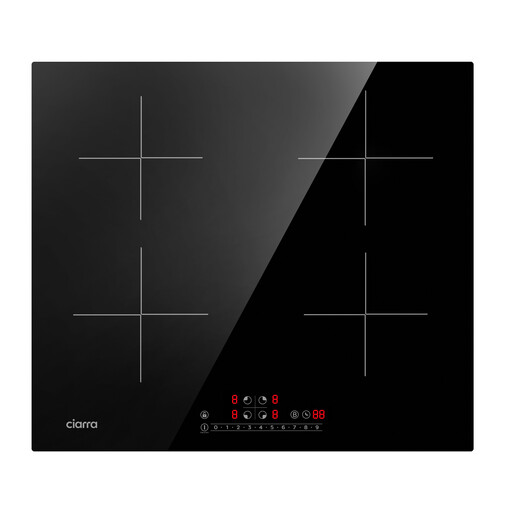 Image unavailable
Its four zones offer space to plan broth and side-pan cooking. The title specifies nine power levels and a booster function; check which zone fits the magnetic stockpot base and confirm the electrical connection.
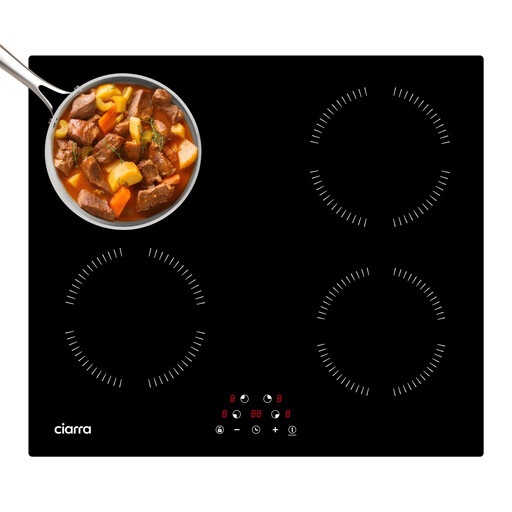 Image unavailable
This is an induction option to assess when broth and other pans need separate zones. Check how its zones accommodate the stockpot base, as well as the connection and worktop fit, before selecting it.
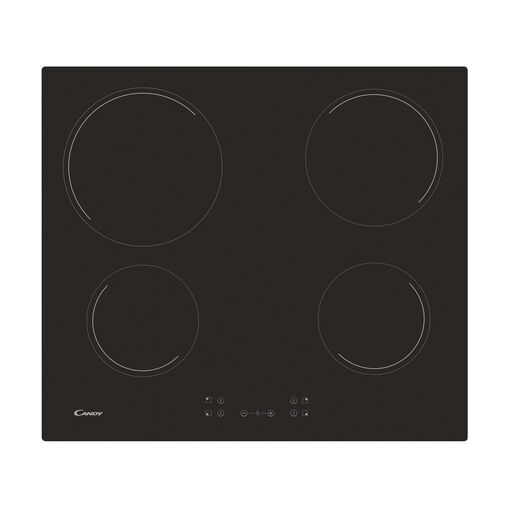 Image unavailable
Consider ceramic cooking if retaining a non-magnetic stockpot is a priority. Match the pot base to a cooking zone, check the built-in installation requirements and allow for the glass surface to remain hot after use.
Induction is worth considering if the pot has a magnetic base that suits the zone and you value responsive heat adjustment. A ceramic radiant hob lets you keep suitable non-magnetic cookware, but its elements heat the glass beneath the pan.
It needs a magnetic base: Neff and Beko both specify this cookware requirement for induction. Test the pot base with a magnet, then compare its flat diameter with the chosen model’s zone and placement guidance.
That depends on the model’s power management. A plug-in Neff N30 hob shares available power across its zones, so increasing one setting can reduce another; check the instructions for the exact hob you are considering.
Not every model does: Bosch GB describes the PUE611BB5B as Plug & Play, whereas AEG UK specifies hardwired installation for the TO64IB00FB. Check the appliance instructions and the kitchen supply; electrical installation work should be carried out by someone competent to do it.
Keep the cooking appliance attended and electrical controls dry. Electrical Safety First advises against leaving electrical appliances on unattended or touching switches with wet hands; follow the hob’s residual-heat guidance before cleaning up.