Frequent batch blanchers
If you blanch several batches for meals or freezing, bringing a pot back to the boil promptly may be a priority. Compare the boost behaviour of the exact hob you are considering, not just the presence of a boost button.


If you regularly blanch green vegetables, consider an induction hob with a documented boost setting when your blanching pot has a magnetic base and the installation suits your kitchen. A ceramic electric hob is the more practical route if keeping non-magnetic cookware matters more; whichever type you choose, check the pot base, cooking zone, worktop cut-out and electrical requirements for the exact model.
If you blanch several batches for meals or freezing, bringing a pot back to the boil promptly may be a priority. Compare the boost behaviour of the exact hob you are considering, not just the presence of a boost button.
If you want to keep your current stockpot, check its base before choosing induction. Bosch advises that induction needs magnetic cookware, while ceramic electric hobs accept a broader range of pots and pans.
If you are replacing a built-in hob, external width alone will not establish whether it fits. AEG lists a specific cut-out and hardwired connection for its SO64IA0SCB, illustrating why the chosen model’s installation instructions matter.
For blanching, decide whether faster boiling or keeping your existing cookware takes priority, then check that the chosen hob fits the pot and the kitchen installation.
Choose when: Fast boiling for repeated batches matters and your blanching pot has a magnetic base; look for a boost function documented for the exact model.
Bear in mind: Induction requires compatible cookware, and boost need not stay active indefinitely. AEG says its maximum Power Boost setting returns to the previous setting after 10 minutes.
Choose when: Keeping a non-magnetic blanching pot matters more than induction’s direct heating of compatible cookware. Bosch describes ceramic electric hobs as accepting all kinds of pots and pans.
Bear in mind: Allow for a hot glass surface after switching off, particularly when moving or draining a pot of boiling water.
| Concern | What to check | Who this matters to |
|---|---|---|
| Boiling repeated batches | Check whether the exact hob has a boost setting and how long it remains active. | When I blanch several batches, I want the pot to reach boiling point promptly each time; around 36% of consumers would make boiling speed their primary concern. |
| Cookware and electrical compatibility | Test the pot base with a magnet for induction, and check the model’s connection type and electrical loading. | If I am replacing a hob, keeping my stockpot and using a suitable electrical connection matter more than a boost feature; compatibility would come first for around 29% of consumers. |
| Pot and worktop fit | Compare the pot base with the cooking-zone layout, then measure the worktop cut-out against the installation instructions. | A wide stockpot is only useful to me if it sits on a suitable zone and the hob fits the opening; around 21% of consumers would prioritise pot and worktop fit. |
| Controls around hot water | Look up the exact model’s control lock, switch-off functions and residual-heat indicators. | When I am lifting and draining a hot pot, I want to avoid accidental changes at the controls; control and handling needs would take priority for around 14% of consumers. |
An induction hob needs magnetic cookware. Bosch describes ceramic electric hobs as compatible with a broader range of pans.
Put a magnet against the base of the pot you actually use for blanching before deciding which hob type to buy.
Choosing induction with a non-magnetic pot may mean replacing that pot.
A hob described as 60 cm wide may still need a particular worktop opening and electrical connection. AEG specifies a 560 × 490 mm cut-out and hardwired connection for the SO64IA0SCB.
Measure the existing opening and have the electrical supply assessed against the installation instructions for the exact model.
A mismatched opening may require worktop alteration before installation.
Boost behaviour varies by model. AEG says its maximum Power Boost setting returns to the previous setting after 10 minutes.
Check the model manual for the boost duration and choose an appropriate ongoing setting once the blanching water boils.
Combined zones offer placement flexibility for larger cookware, but a round pot may fit a suitably sized single zone.
Compare the shape and base diameter of your usual pot with the hob’s zone layout before choosing a wider model.
Bosch offers induction and ceramic electric hobs relevant to the choice between faster pan heating and keeping existing cookware.
AEG induction examples include a 60 cm model with published boosted-zone and installation details, as well as a wider bridged-zone model.
NEFF’s T58FHW1L0 is an 80 cm induction option for buyers considering a larger cooking surface.
These induction hobs are choices for blanching with a magnetic pot. Compare their stated heating controls with your pot and installation needs; if keeping a non-magnetic pot is decisive, consider the ceramic electric route instead.
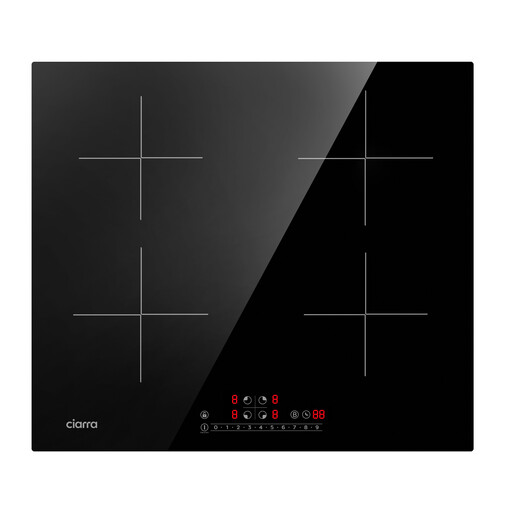 No image available
Consider this model if you want a boost function when bringing blanching water to the boil. Its name specifies four zones, touch controls and nine power levels; check that your magnetic pot fits a zone and confirm the installation requirements before ordering.
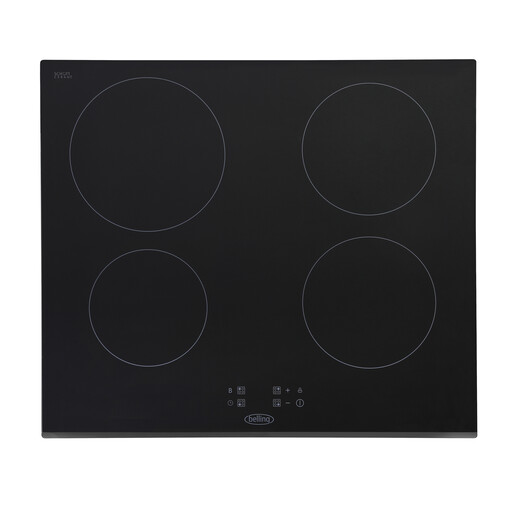 No image available
This 60 cm induction model is worth considering for a built-in replacement where the blanching pot is magnetic. Check its cooking-zone sizes, cut-out and electrical connection against your kitchen before choosing it.
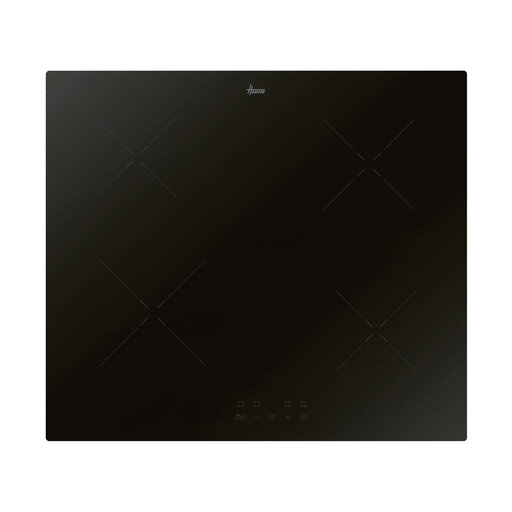 No image available
The four-zone layout may suit cooking alongside a pot of blanching water. Before selecting it, match your magnetic pot to a zone and confirm the model’s cut-out and electrical requirements.
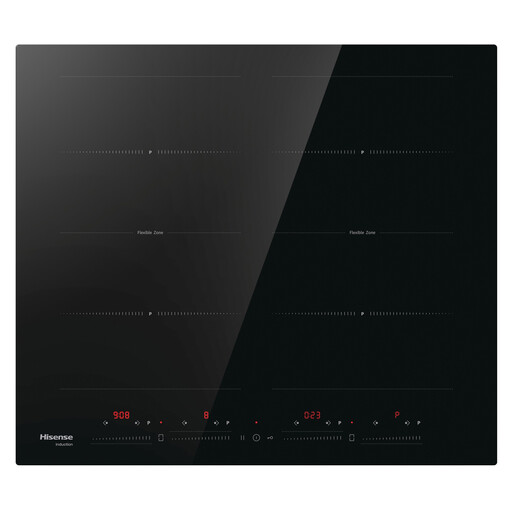 No image available
Area Flex makes this a model to examine if your blanching pot needs a flexible cooking area. Check the pot’s magnetic base and fit, and review how the exact model’s boiling control behaves during successive batches.
 No image available
This hardwired induction model may suit a planned built-in replacement where a magnetic blanching pot is already available. Have its electrical requirements and the worktop cut-out checked for this exact model before ordering.
Choose induction if bringing water to the boil promptly is your priority and your pot has a magnetic base; consider ceramic electric if keeping a non-magnetic pot is more important. Bosch distinguishes the types by cookware compatibility, so check the pot you actually use before deciding.
It should work if its base is suitable for induction. Bosch advises checking whether a magnet sticks to the bottom; test your actual blanching pot rather than judging by its appearance.
Do not assume the boost setting will remain active throughout. AEG says its maximum Power Boost setting returns to the previous setting after 10 minutes; check the instructions for the exact hob you intend to use.
Check the worktop cut-out, appliance dimensions, connection method and electrical loading for the exact replacement. AEG specifies a 560 × 490 mm cut-out, hardwired connection and 7,350 W total loading for the SO64IA0SCB; those figures do not apply automatically to other models.
Check the requirements that apply where the hob will be installed rather than assuming one rule covers every UK location. GOV.UK’s Approved Document P addresses electrical safety in dwellings in England; also follow the selected hob’s installation instructions and confirm the applicable local requirements before work begins.