Frequent slow-cookers
If you regularly caramelise onions, you need to turn the heat down when they begin to catch and keep it gentle through a long cook. BBC Good Food advises low heat and occasional stirring for around 30–40 minutes.


Choose an electric hob for caramelising onions by its low-heat control and the space it gives your usual frying pan, not its boost setting alone. Induction suits you if your pan has a magnetic base; a ceramic hob remains an option if the exact model performs well at gentle simmering. BBC Good Food’s method calls for low heat and occasional stirring for around 30–40 minutes, so neither hob type removes the need to watch the onions.
If you regularly caramelise onions, you need to turn the heat down when they begin to catch and keep it gentle through a long cook. BBC Good Food advises low heat and occasional stirring for around 30–40 minutes.
Your existing pans may decide whether induction is practical. Which? explains that an induction pan needs a magnetic base, so check the frying pan you intend to use before choosing a hob.
If you use a wide frying pan or cook other dishes alongside the onions, compare usable zone space as well as hob width. Bosch and NEFF list combined or flexible zones on particular models, but the layout must suit your cookware.
Choose it when: Your usual pan has a magnetic base and you want heat generated in the cookware, as Which? describes.
Trade-off: Pans without a suitable magnetic base will not work effectively; a fast boost setting is no substitute for checking gentle-heat performance.
Choose it when: The exact model meets your low-heat and pan-space needs without making induction compatibility a deciding factor.
Trade-off: Elements heat the glass beneath the pan, unlike induction. Which? assesses ceramic hobs for simmering and heat distribution, so compare model-specific results.
| Concern | What to check | Who this matters to |
|---|---|---|
| Gentle heat | Look for independent low-temperature simmer results for the exact model; check its control at a low setting with your usual pan. | I cook onions slowly and need to lower the heat before they catch. Roughly 33% of consumers choosing a hob for this task would put gentle-heat control first. |
| Pan compatibility | For induction, check the base of each pan you plan to use for an induction marking or magnetic attraction. | Keeping my existing frying pan matters more to me than changing hob type. Around 27% of consumers would make cookware compatibility their primary concern. |
| Cooking space | Compare your pan-base size and the space needed for other pans with the exact zone layout, including any combined zones. | I make larger batches or cook another dish at the same time, so the pan needs room on the hob. About 20% of consumers would prioritise usable cooking space. |
| Fit and daily use | Check the installation drawing and electrical requirements; assess whether the controls suit the way you cook. | A hob has to fit my kitchen and be straightforward to use during a long cook. Approximately 20% of consumers would put installation and everyday practicality first. |
Quick heating does not establish how well a hob holds gentle heat. Which? treats heating speed and low-temperature simmering as separate aspects of hob testing.
Compare simmering results for the exact model, then learn how its low settings behave with your usual pan.
Induction needs a sufficiently magnetic pan base, according to Which?. A pan without one may not heat effectively.
Check the pans you use regularly before committing to induction.
AEG describes SenseBoil on selected models as a feature for detecting boiling water and reducing it to a simmer. That does not make it an automatic caramelised-onion programme.
Choose controllable low heat and continue to stir and watch the onions, even if a hob offers cooking assistance.
A similar-looking built-in hob may need a different worktop opening or electrical connection.
Compare the exact model’s installation drawing and connection instructions with your kitchen, seeking qualified local installation advice where needed.
A mismatched opening can mean worktop alterations or additional installation work.
Bosch’s PWP611BB5B is a reference point for a conventional-width induction hob with flexible pan placement.
NEFF’s T69YYV4C0 is a wider induction option for cooks considering flexible zones and model-specific assistance.
AEG offers SenseBoil on selected induction models for a different cooking task: managing boiling water.
These built-in induction hobs offer different widths and zone arrangements for the onion-cooking scenarios above. Check your frying pan’s induction compatibility, the exact installation requirements and evidence of gentle-heat performance before choosing.
 Image unavailable
Consider its flexible bridge when planning space for a wider pan. The hob has four zones and touch controls; check the exact worktop opening and how steadily it holds low heat with your pan.
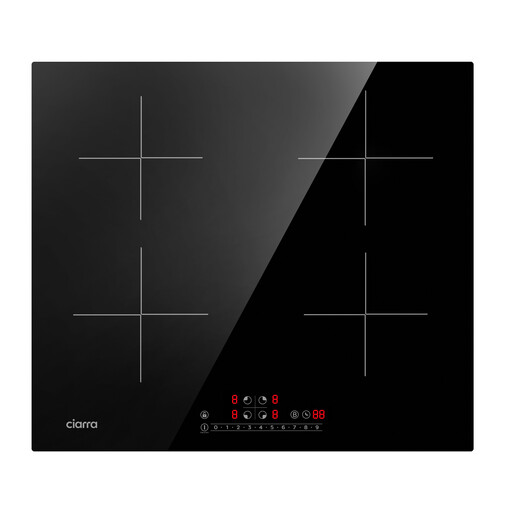 Image unavailable
This is an option if you want a four-zone induction layout with touch controls and nine power levels. Match your frying pan to a zone and check low-heat behaviour and installation requirements for the exact hob.
 Image unavailable
Its 60 cm format may suit a kitchen planned around that hob width, subject to the exact cut-out. This hardwired model still needs a compatible pan and model-specific checks for installation and gentle-heat control.
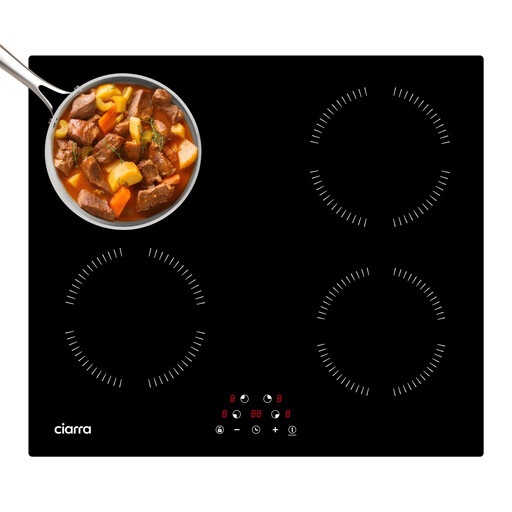 Image unavailable
Consider this four-zone layout if a 60 cm hob suits your kitchen plan. Check that your pan fits a zone, then confirm the installation instructions and low-setting performance for this particular model.
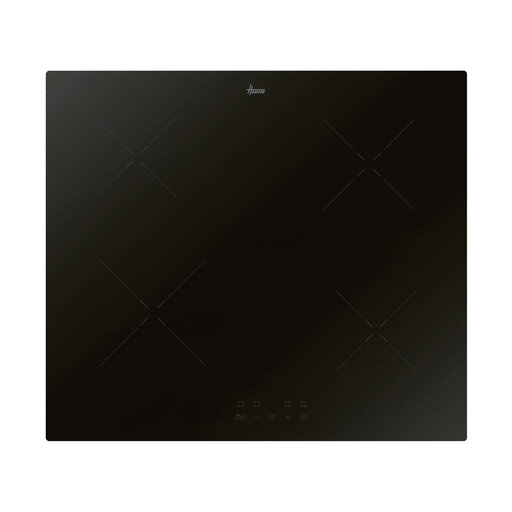 Image unavailable
This four-zone, 60 cm model is another built-in induction option for a compatible frying pan. Compare its zone layout with your pan, and confirm the cut-out, electrical connection and low-heat performance before ordering.
Controllable, gentle heat matters more than boost speed. BBC Good Food recommends cooking onions slowly over low heat for around 30–40 minutes, stirring occasionally; use independent simmering results for the exact hob model when comparing options.
It needs a sufficiently magnetic base. Which? recommends checking for induction suitability; you can also test whether a magnet adheres to the pan base rather than assuming that all pans made from the same material will work.
Do not rely on a sensor to do the cooking for you. AEG describes SenseBoil on selected models as assistance for boiling water, while NEFF lists a frying sensor on particular models; onions still need low heat, stirring and attention if they begin to catch.
Compare the exact model’s installation drawing and electrical instructions with your worktop and supply. Seek appropriately qualified local installation advice where needed; a similar hob width does not establish that the opening or connection will fit.