Solo cooks short on space
If you usually make curry in one pan and need to clear the worktop afterwards, a portable induction hob is worth considering. Check that your curry pan works with induction before choosing one.


For a one-pan vegetable curry, a portable induction hob is a sensible starting point if space is tight and your pan is compatible. Choose built-in induction when you want a permanently fitted, multi-zone hob; consider built-in ceramic if you would rather keep cookware that is unsuitable for induction, while allowing for a hot glass surface after cooking. Whichever format you choose, check how it handles a gentle simmer as well as the pan and installation requirements.
If you usually make curry in one pan and need to clear the worktop afterwards, a portable induction hob is worth considering. Check that your curry pan works with induction before choosing one.
A built-in induction hob makes more sense if you want separate zones for curry, rice or other dishes. It also calls for a suitable worktop opening and the electrical connection specified for the model.
A built-in ceramic hob lets you compare electric cooking without making induction compatibility the deciding factor. Check the model’s heating and simmering performance, and account for residual heat in the glass after use.
Decide whether you need a storable one-pan cooker or a fitted hob before comparing controls. Then check the pan you will use for curry and how the model moves from frying to simmering.
Choose it when: One curry pan and a cooking point you can put away meet your needs.
Trade-off: One zone cannot cook curry and rice in separate pans at the same time, and the pan must be induction-compatible.
Choose it when: You are fitting a permanent hob and want separate cooking zones.
Trade-off: Installation and worktop fit need planning; the AEG SO64IA0SCB example is hardwired only.
Choose it when: You want a fitted electric hob without making induction cookware compatibility a condition.
Trade-off: Its elements heat the glass, which remains hot after cooking; compare simmering results by model.
| Concern | What to check | Who this matters to |
|---|---|---|
| One-pan cooking and storage | Check whether the hob can be stored after use and whether its zone accepts your curry pan’s base diameter. | If I make curry in one pan and need the worktop back afterwards, a storable cooking point matters more than extra zones. Around 46% of consumers would put compact one-pan cooking first. |
| Frying and simmering control | Compare adjustable settings and independent evidence for both heating and low-temperature simmering; maximum wattage alone is not enough. | I need to fry aromatics, then keep a small sauce at a gentle simmer without it catching. For around 36% of consumers, that change of heat is the main concern. |
| Cookware and fitted-hob requirements | Check induction compatibility and pan-base size, or compare a built-in hob’s cut-out, connection type and installation instructions. | If I am keeping my existing pans or fitting a permanent hob, cookware and kitchen fit could decide the format before its controls do. Those requirements come first for around 18% of consumers. |
Induction heats a compatible pan, so an unsuitable curry pan may not work on the hob. Which? also notes that not all pans are induction-compatible.
Check the pan’s induction marking and compare its base diameter with the exact hob manual before ordering.
A built-in hob needs space and installation planning rather than simply being put away after dinner. For example, AEG specifies a 560 × 490 mm cut-out and a hardwired-only connection for the SO64IA0SCB.
Settle the portable-versus-permanent question first, then measure the worktop against the installation sheet for any fitted model.
Both can have flat glass surfaces, but induction heats a compatible pan while a ceramic element heats the glass. The difference affects pan choice and how you handle the surface after cooking.
Check your cookware before choosing induction; with ceramic, allow for residual heat and compare heating and simmering results for the model itself.
Heating a pan quickly does not, by itself, show how gently a hob can simmer a small curry. Which? assesses heating and low-temperature simmering separately in its hob testing.
Look at the available heat settings and independent simmering results, alongside any timer or automatic switch-off behaviour you need.
The portable IH201840 is a single-zone induction example for cooking one pan where space is limited.
The SO64IA0SCB is a 60 cm, four-zone induction example for a permanently fitted kitchen.
The HR 620 R H is a four-zone built-in ceramic example for comparing a conventional electric surface with induction.
These choices cover a portable induction cooker for one-pan meals and built-in induction hobs for a permanent kitchen. If you prefer the ceramic route, use the cookware, residual-heat and simmering checks above when comparing models.
 No image available
Consider this portable cooker if you make curry in one pan and want to put the hob away afterwards.
The product name specifies 10 power settings, six functions, touch controls and a safety lock. Use induction-compatible cookware and check the supported pan-base diameter for your curry pan. The panel can become very hot during use; check the controls if a cooking timer matters to you.
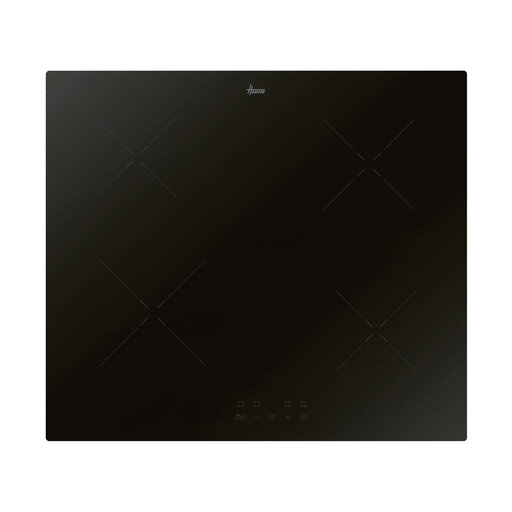 No image available
This built-in format suits a permanent kitchen where you want separate zones for curry and another pan.
Check that your cookware works with induction. This model calls for a hardwired connection and professional installation; compare its stated 560 × 490 mm cut-out with your worktop before choosing it.
 No image available
Consider this model when the curry-cooking space is part of a permanently fitted kitchen, not a storable worktop setup.
The product name identifies a hardwired hob. Use induction-compatible cookware, arrange installation appropriate to the model and confirm its required worktop cut-out against the installation instructions.
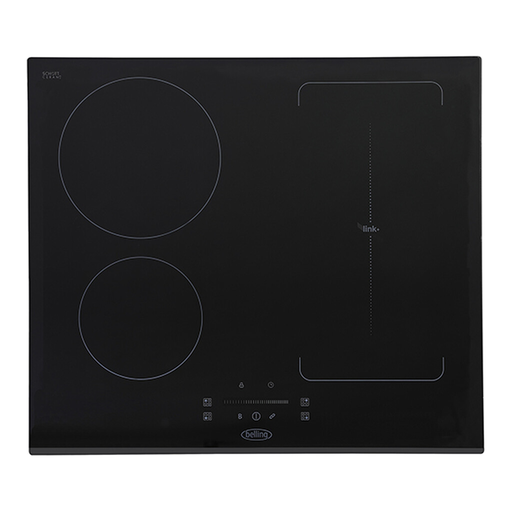 No image available
This is a fitted-hob option if you want a permanent cooking surface rather than a portable unit for one pan.
Check that your curry pan is induction-compatible. Before committing to installation, compare the required worktop cut-out and electrical connection with your kitchen and the model’s instructions.
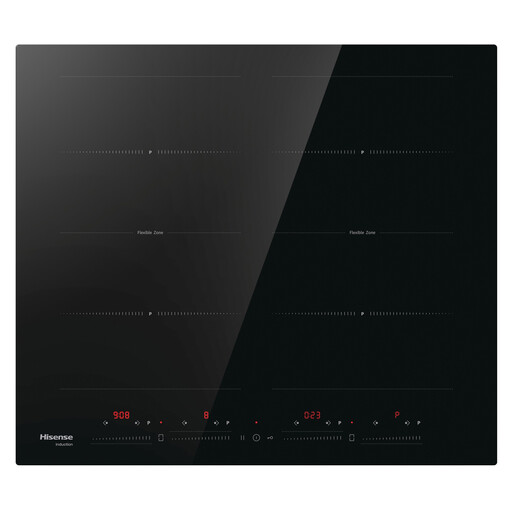 No image available
Consider this built-in model if you are fitting a permanent hob and want space for more than your curry pan.
Check induction compatibility for the pans you will use. Confirm the worktop cut-out, electrical connection and installation instructions for this model before selecting it.
Yes, if you normally cook one pan at a time and have a compatible pan. Tefal’s single-zone IH201840, for example, lists stew and stir-fry programmes, but one zone will not let you cook curry and rice in separate pans simultaneously.
It will need to be induction-compatible and have a base size accepted by the particular hob. Check the pan marking and the hob manual: Tefal’s IH201840 product information gives both 12–26 cm and 12–24 cm ranges, so do not rely on either range without checking the exact model instructions.
No: maximum wattage alone does not tell you how well a hob holds a gentle simmer after frying. Compare its adjustable settings and look for separate heating and low-temperature simmering results; Which? assesses those aspects separately in its hob testing.
Check the exact appliance instructions and the electrical requirements that apply where the work will take place before arranging installation. AEG specifies a hardwired-only connection for the SO64IA0SCB. GOV.UK’s Approved Document P covers electrical safety in dwellings in England; it does not establish one installation rule for every nation of the UK.
A ceramic hob’s elements heat the glass, so the surface can remain hot after you turn a zone off. The Hotpoint HR 620 R H has residual-heat indicators; heed them when moving pans or cleaning up after the curry.