Family batch-curry cooks
If a large curry pot shares the hob with rice, vegetables or sides, the placement and usable space of the zones matter as much as their number.


For potato curry with rice or sides, consider induction if your pans are magnetic and the hob gives each pan enough usable space. Bosch Home UK describes induction as quicker to heat than radiant ceramic, but check individual models for low-heat control; ceramic remains an option if you want to keep non-magnetic cookware. For either type, confirm the exact worktop cut-out and electrical requirements before buying.
If a large curry pot shares the hob with rice, vegetables or sides, the placement and usable space of the zones matter as much as their number.
If you bring the sauce up to heat and then leave the potatoes to simmer, look closely at how an individual hob handles low heat and how easily you can clean up afterwards.
If the new hob must replace an existing one, your current pans, worktop opening and electrical installation all affect which models are practical.
Start with the pans you need to use together, decide whether induction suits your cookware, then check the fit and installation requirements of the exact model.
| Concern | What to check | Who this matters to |
|---|---|---|
| Usable pan space | Check zone positions against your curry pot and the pans used alongside it; compare fixed and bridge-zone layouts. | When I make curry, rice and sides together, I need the pans to sit on the hob without crowding. Around 33% of consumers put usable pan space first. |
| Heat and simmering | Compare controls and, where available, individual-model tests of heating and low-temperature simmering. | I want to bring the sauce up to heat, then keep the potatoes at a gentle simmer without constant adjustment. For around 27% of consumers, heat control and clean-up are the primary concern. |
| Existing cookware | Test pan bases with a magnet before choosing induction, and check that their sizes suit the zones. | If my main pot is not induction-compatible, keeping it may matter more than changing hob type. Around 20% of consumers chiefly want to retain or assess their existing pans. |
| Fit and installation | Compare the exact cut-out dimensions and electrical instructions with your kitchen and installation. | Replacing a hob only works for me if the opening and electrical connection are suitable. Fit and installation come first for around 20% of consumers. |
The width visible on the worktop and the required cut-out are different measurements. A hob can have a familiar nominal width yet not fit the existing opening.
Measure the current cut-out and compare it with the installation drawing for the exact model.
A mismatch may mean altering the worktop rather than simply replacing the appliance.
Induction needs compatible magnetic cookware, so the pot you use for curry may affect the choice between induction and ceramic.
Test the bases of your curry pot, rice pan and other frequently used pans with a magnet before deciding.
If key pans are unsuitable, using induction may also mean replacing them.
Four zones do not necessarily give a wide curry pot and several other pans enough room at the same time.
Check the sizes and positions of the pans you use together against the model’s zone layout; consider a bridge zone if a fixed zone does not accommodate a regularly used pan.
A suitable cut-out does not establish that the existing electrical connection meets the requirements of a new hob.
Read the exact model’s installation instructions and ask a suitably qualified electrician to assess any fixed electrical work before it begins.
These ranges offer different zone layouts and hob types to compare; the features and fit of any individual model still need checking.
AEG UK lists compact induction hobs alongside larger models, including 60 cm and 80 cm bridge-zone options.
Bosch Home UK covers induction and radiant ceramic choices in its electric-hob range.
NEFF UK includes ceramic, induction and venting hobs, with Flex Induction offered on applicable models.
These induction hobs cover standard four-zone and flexible-zone choices for cooking curry alongside other dishes. If retaining non-magnetic pans is your priority, compare the ceramic route before choosing from these models.
 No image available
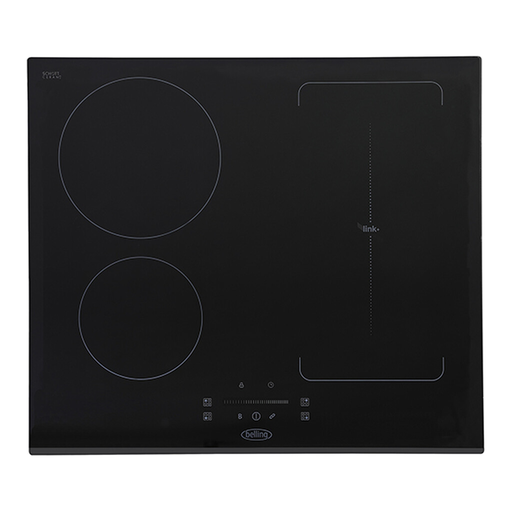
Consider this model if your curry pot and accompanying pans would benefit from a flexible cooking area; check how its Link+ layout accommodates their bases.
Confirm magnetic cookware compatibility, cut-out fit and electrical suitability before ordering.
 No image available
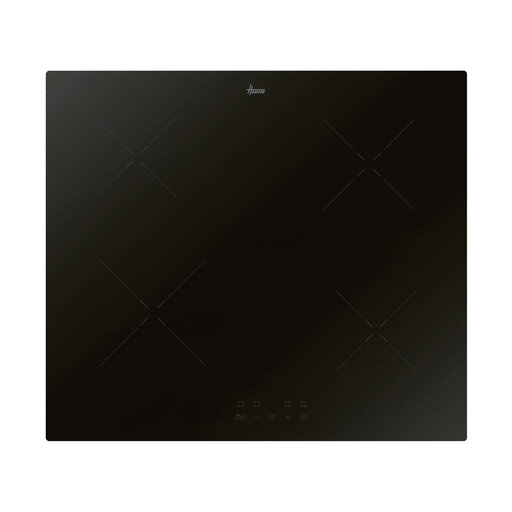
The four-zone layout is relevant if you cook curry while using separate pans for rice or sides; check that your largest pans can sit where you need them.
Test cookware compatibility and confirm the cut-out and hardwired electrical requirements for your installation.
 No image available
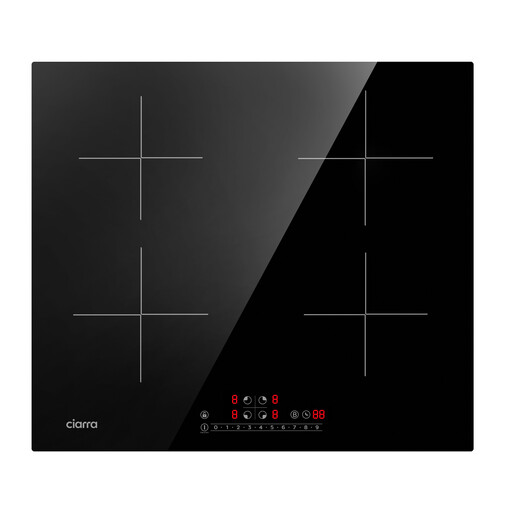
If you manage several parts of a meal at once, compare the four-zone layout with the sizes of your curry pot and other pans.
The product name specifies touch controls, nine power levels and a booster function. Check magnetic cookware compatibility, the cut-in dimensions and electrical suitability.
 No image available
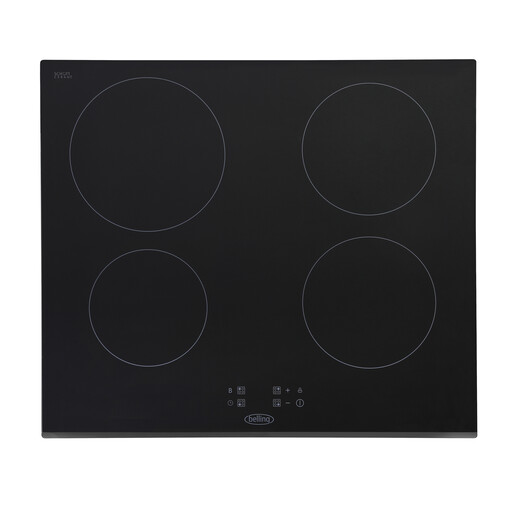
For curry with accompanying dishes, compare this model’s zone positions with the pans you expect to use simultaneously.
Check that those pans are induction-compatible and verify the cut-in dimensions and electrical requirements against your kitchen.
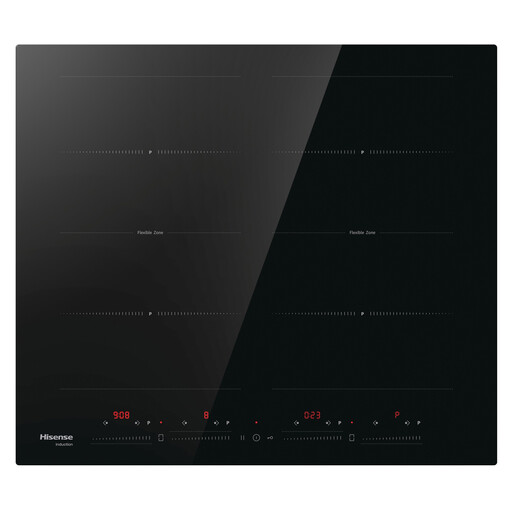 No image available
Area Flex is relevant if you use a wide curry pot; check its usable layout against the pot and any pans cooking alongside it.
Before choosing this induction model, test your cookware and confirm the exact cut-out and electrical connection requirements.
Consider induction if your pans are magnetic and quicker heating is a priority; Bosch Home UK describes that advantage over radiant ceramic. Ceramic is an option if keeping non-magnetic pans matters more. For either type, compare individual models for the low-heat control you need when simmering curry.
A 60 cm hob may suit the meal if your pans fit its usable zones at the same time. Lay out the pan sizes you normally use, then compare them with the exact zone positions; consider a wider or flexible-zone model if larger pans would crowd one another, subject to worktop and cut-out fit.
You can use it if its base is induction-compatible and its size suits the hob’s zones. Bosch Home UK recommends checking whether a magnet attaches to the base; test your rice pan and other regularly used cookware too.
Measure the existing worktop cut-out and available space, then compare both with the installation drawing for the exact new model. Bosch Home UK identifies cut-out size as a separate buying check, so do not rely on a nominal width such as 60 cm alone.
Have a suitably qualified electrician assess the connection if the new hob requires fixed electrical work or you are unsure whether the existing installation is suitable. Check the model’s instructions and the requirements that apply where you live before installation begins.