Cooks with limited worktop space
If you need a stew pot and a second pan but cannot spare space for a 60 cm hob, a narrow two-zone layout is worth considering. Check the zone sizes and installation cut-out as well as the hob’s overall width.


Choose a narrow two-zone induction hob if worktop space is tight, your stew-pot base fits a cooking zone and the pot is magnetic. If you have room for a 60 cm hob, four zones give you more places for accompanying pans; ceramic is an alternative when keeping non-magnetic cookware matters more, though its surface remains hot after switch-off. Check the exact model’s cut-out, ventilation and electrical requirements before ordering.
If you need a stew pot and a second pan but cannot spare space for a 60 cm hob, a narrow two-zone layout is worth considering. Check the zone sizes and installation cut-out as well as the hob’s overall width.
If you bring stock to the boil before lowering the heat for seafood, pay attention to the controls available on the particular model. Which? has reported consistent slow simmering in its induction testing, but the controls and features still vary between hobs.
If your stew pot does not have a magnetic base, check it before choosing induction. Bosch says induction requires magnetic cookware, while ceramic electric hobs accommodate different pan materials.
Start with the space needed for your stew pot and any second pan. Then check whether your cookware and kitchen installation suit the hob type you are considering.
| Concern | What to check | Who this matters to |
|---|---|---|
| Worktop space and zones | Measure the available worktop and cut-out; compare your pot base with each zone’s usable size. | If I have room for a stew pot but still need a second pan, a narrow hob must let me use both without crowding the worktop. Around 29% of consumers put usable cooking space first. |
| Boiling and simmering | Compare the exact model’s power controls and timer; check whether any advertised simmer feature applies to that model. | When the broth is ready, I need to lower the heat for the seafood rather than leave the pot at a hard boil. Gentle heat control comes first for around 29% of consumers. |
| Electrical and cabinet fit | Check the model’s rated load, connection method and under-hob ventilation instructions against your kitchen. | Before choosing a built-in hob, I need to know that my circuit and cabinet can accommodate it. Around 24% of consumers make installation fit their primary concern. |
| Pan compatibility and residual heat | Test the stew pot’s base with a magnet for induction; for ceramic, check the residual-heat indication. | If I want to keep a non-magnetic stew pot, I need a hob that will heat it, while remembering that ceramic stays hot after switch-off. Keeping existing cookware matters most to around 18% of consumers. |
An induction zone needs a pot with a magnetic base; a suitable diameter alone is not enough.
Test the base with a magnet, then compare its diameter with the cooking zone you intend to use.
A built-in hob also needs the right cut-out, cabinet space and ventilation. Even a narrow hob may not accommodate a wide pot on its zones.
Measure the worktop, cabinet and pot base against the exact model’s installation instructions.
If the existing cut-out does not match, fitting the hob may require worktop alterations.
Connection methods and electrical loads differ by model. A supplied plug does not remove the need for a suitable socket and circuit.
Check the stated connection method and load, and ask a qualified electrician about installation work or an uncertain circuit. Electrical Safety First advises checking appliance power requirements to avoid overloading wiring.
Ceramic lets you keep non-magnetic pans, but its surface remains hot after switch-off, which matters when handling spills in a compact kitchen.
Look for clear residual-heat indicators and let the surface cool before wiping it.
CDA offers narrow domino hobs as well as wider formats. Its HN3621FR is a specific two-zone induction option for a kitchen where width is limited.
Bosch is relevant when comparing induction with ceramic, or deciding whether a wider four-zone induction layout will fit.
AEG offers induction layouts ranging from compact two-zone models to larger four- and five-zone models.
These options include a narrow two-zone induction hob, wider induction hobs for cooking with more pans, and a ceramic alternative for keeping non-magnetic cookware. Choose by pot fit, available worktop space and the installation requirements of the exact model.
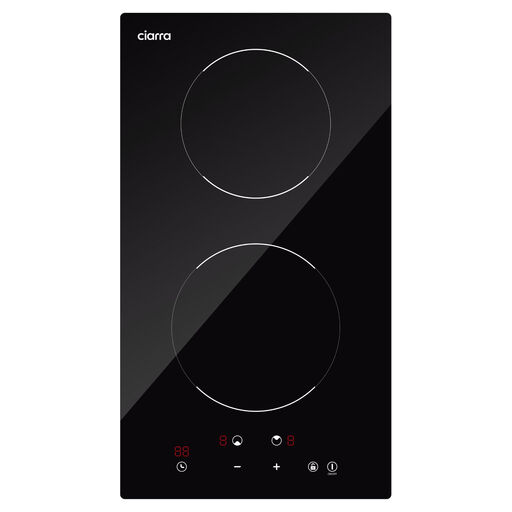 No image available
Consider this narrow built-in layout if a stew pot and one other pan cover your usual cooking needs.
The product name specifies 2,900 W, nine power levels, a timer and a child safety lock. Induction requires a magnetic pot base; check the model’s zone guidance, cut-out, ventilation and electrical instructions before ordering.
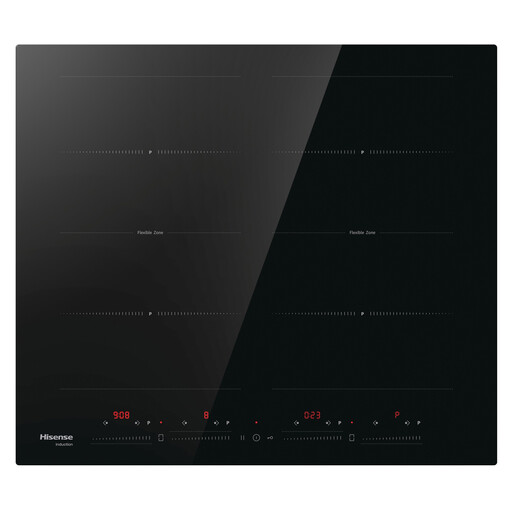 No image available
Consider this wider induction format if your worktop has room for a 60 cm hob and you want space for the stew alongside other dishes.
The product name identifies its Area Flex feature. Check the exact cut-out, electrical connection, ventilation requirements and magnetic-pan compatibility before choosing it.
 No image available
This is a wider induction option if your kitchen can accommodate a 60 cm built-in hob and you plan to cook with more than one pan.
Its product name specifies a hard-wired connection. Arrange a check of the circuit and compare the exact cut-out and ventilation instructions with your cabinet; your stew pot also needs a magnetic base.
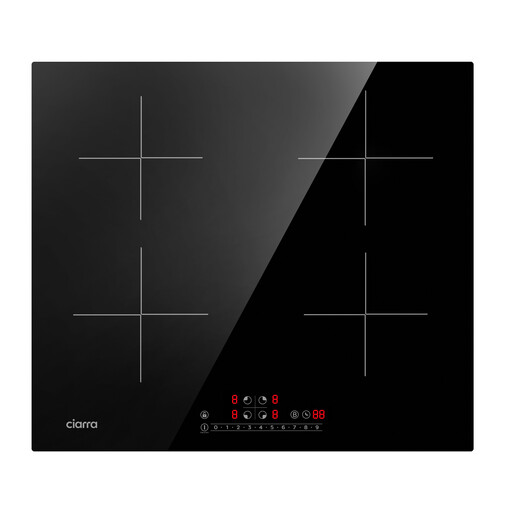 No image available
Consider four cooking zones if you have room for a wider hob and regularly use a stew pot alongside other pans.
The product name specifies nine power levels and a booster function. Confirm the hob’s dimensions, installation and electrical requirements, and use cookware with magnetic bases.
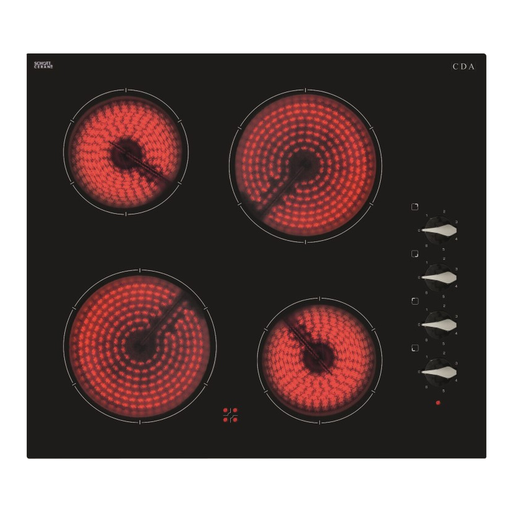 No image available
This ceramic option is relevant if keeping a non-magnetic stew pot matters and your worktop can accommodate a 60 cm hob.
The Joybuy listing identifies residual-heat indicators. Allow the surface to cool after cooking, and check the model’s hard-wired installation, cut-out and ventilation requirements against your kitchen.
It will work only if its base is suitable for induction and fits the chosen zone. Bosch says induction requires magnetic cookware, so test the base with a magnet and compare its diameter with the hob’s zone guidance.
It can be if you usually need one appropriately sized stew pot and one smaller pan. CDA specifies two 160 mm zones for its HN3621FR, so check your pot base against those zones; a two-zone layout is restrictive if you routinely use several large pans.
That depends on the model’s connection method and your existing electrical setup; do not assume every hob is plug-in. Check its rated load and instructions, and use a qualified electrician where wiring work or circuit assessment is needed. Electrical Safety First recommends checking appliance power requirements to avoid overloading wiring.
A built-in hob needs the ventilation arrangement specified for its model. CDA warns that insufficient ventilation can prevent a hob from drawing in cool air and may lead to overheating, so use the exact installation manual rather than another model’s clearance measurements.