Worktop cooks
A portable hob may suit you if you can clear a stable place to cook but do not want a built-in installation. It will occupy that worktop space while you make soup.


Choose a portable hob if you need to cook on the worktop without a built-in opening. If you have room for a built-in hob, ceramic lets you keep a wider range of pans, while induction requires a magnetic soup pot and heats the pan directly. Check the available space, the exact model’s electrical connection and the size of the cooking zone before deciding.
A portable hob may suit you if you can clear a stable place to cook but do not want a built-in installation. It will occupy that worktop space while you make soup.
A built-in induction hob is worth considering if your opening and electrical connection suit the model and your soup pot has a magnetic base. Induction heats the pan directly, as Which? explains.
A built-in ceramic hob may suit you if broad pan compatibility matters more than switching to induction. Allow for the ceramic surface to remain hot after cooking.
Start with where the hob can go and how it will be connected; then compare your soup pot with the cooking zone and consider how you prefer to control the heat.
| Concern | What to check | Who this matters to |
|---|---|---|
| Space and installation | For a portable hob, measure clear worktop space. For a built-in model, check the installation drawing, cut-out, space below the worktop and electrical connection. | I need to know whether I can cook on the worktop or fit a built-in hob without disrupting my small kitchen; around 29% of consumers put space and installation first. |
| Heating and simmering | Compare model-specific information on heating and low-temperature control, and check that a cooking zone fits the base of your soup pot. Which? assesses heating and simmering when it tests hobs. | Getting the soup hot and then keeping it at a manageable simmer is my main concern; around 36% of consumers prioritise cooking control. |
| Pan compatibility | Check the soup pot’s base with a magnet before choosing induction. Bosch says its ceramic electric hobs accept a wider range of pan materials. | I want to keep using my current soup pot rather than discover it cannot work with induction; for around 21% of consumers, pan compatibility comes first. |
| Zones and pot size | Compare the pot-base diameter with the stated zone sizes. Consider extra zones or a bridge function if you regularly use larger cookware or cook alongside the soup. | When I make a larger batch or have another pan on the go, space for both becomes important; around 14% of consumers put flexible cooking capacity first. |
Connection requirements differ even among built-in induction hobs: Bosch lists the PUG61RAA5B as Plug & Play, while AEG specifies a hardwired connection for the TO64IB00FB.
Read the exact model’s connection instructions and have a qualified electrician assess the circuit if needed. Do not rely on an extension lead for a high-load cooking appliance.
Induction needs magnetic cookware. A pot without a suitable magnetic base may mean changing pans to use the hob.
Test the flat base with a magnet or check the pot maker’s specification. If you want to keep a non-magnetic pot, compare ceramic electric hobs.
A built-in hob’s outer dimensions do not tell you the cut-out or the clearance it needs below the worktop. A portable hob instead needs a suitable clear place on the counter.
Measure the relevant space and compare it with the exact model’s installation drawing before ordering.
A ceramic surface can remain hot after cooking; an indicator warns you about residual heat rather than cooling the surface.
Keep cloths and other flammable items away, wait for the hob to cool and compare the safety features listed for the exact model.
Its built-in induction and ceramic ranges include options around 60cm wide.
Its built-in induction range includes models with zones that can be bridged for larger cookware.
Its built-in ceramic range offers an alternative for cooks who want to keep using a variety of pan materials.
Its countertop cooking products include a portable two-plate option for kitchens without a built-in hob opening.
These options include a portable induction hob and built-in ceramic and induction hobs. Choose the format that fits your kitchen first, then check the exact model’s installation requirements and whether your soup pot suits its cooking zone.
 No image available
A countertop option if you do not want a built-in opening; check that you have a suitable clear space and that your soup pot has a magnetic base.
The product title lists 2000W, touch controls, 10 power settings and a safety lock. Check the appliance’s socket requirements before use.
 No image available
A built-in induction option if your kitchen has a suitable opening and you use magnetic cookware.
The product title specifies a 60cm format and four zones. Confirm the installation dimensions and electrical connection for your kitchen before buying.
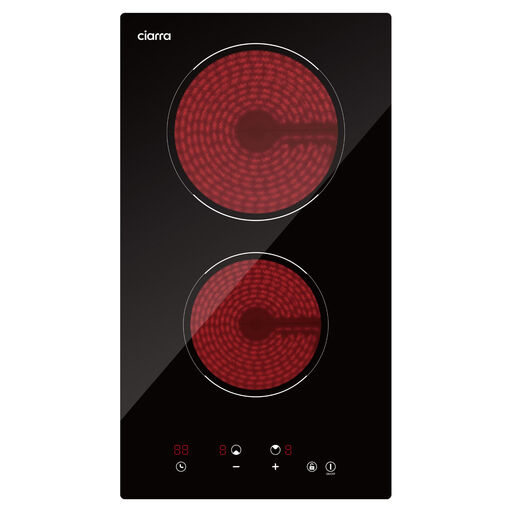 No image available
A narrower built-in route to consider if you want to keep using a non-magnetic soup pot. The ceramic surface can remain hot after cooking.
The product title specifies 2900W, nine power levels, a timer and a child lock. Check the cut-out, cabinet clearance and connection instructions for this model.
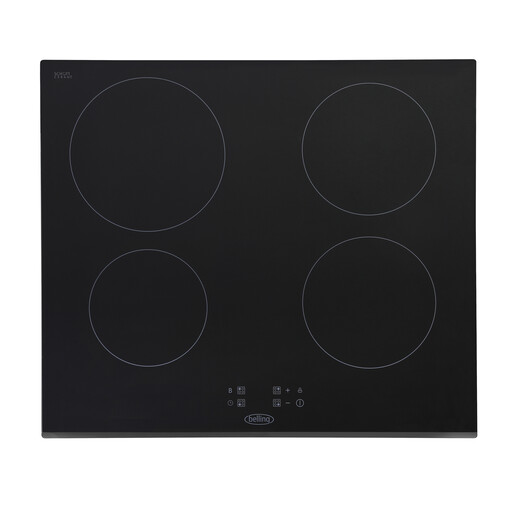 No image available
A built-in induction option if you have compatible cookware and space for a 60cm-class hob.
Check the zone drawing against your soup pot and ask a qualified installer to assess the electrical requirements before buying.
 No image available
A built-in induction option to consider if you want four zones and already have a magnetic soup pot.
The product title specifies a 60cm format. Check the installation drawing and zone sizes, and have the required electrical connection assessed before buying.
It will need a magnetic base. Bosch specifies magnetic cookware for induction, so test the flat base with a magnet or check the pot maker’s specification before choosing a hob.
No: compare the exact model’s installation drawing with your cut-out and the space below the worktop. AEG lists a 560mm × 490mm cut-out for the TO64IB00FB; its outer width alone would not establish the required fit.
Only if the particular hob’s connection requirements and the kitchen circuit allow it. Bosch lists the PUG61RAA5B as Plug & Play, whereas AEG specifies a hardwired connection for the TO64IB00FB. Electrical Safety First advises checking appliance power requirements and consulting a qualified electrician if you are unsure.
Ask a qualified installer to assess the proposed work for your property and the exact hob. GOV.UK’s Approved Document P concerns electrical safety in dwellings in England; do not assume its requirements apply unchanged across every UK nation or installation.