
24/7 Customer Support

Free returns

Same-day & Next-day Delivery

Quality Guaranteed

Unlock Your Welcome Offers: FREE Delivery | Up to 80% OFF | Free 30-day JoyPlus trial
Download the APP
Buying electric home appliances in the UK can make daily routines easier, but product pages often focus on headline wattage, long feature lists and impressive-sounding claims. The details that affect real-world usability—such as plug type, capacity, cleaning requirements and safety protection—can be easier to miss.
Whether you are comparing an electric toothbrush, portable EV charger, electric kettle or kitchen appliance, use the following checks to avoid paying for features that do not suit your household.
A higher wattage can indicate faster heating, but it does not automatically mean better results. A 2,100W electric kettle may boil water quickly, while a 600W smoothie blender may be more suitable for smaller portions and everyday preparation.
For cooking appliances, also check how the heat is controlled. Dual settings or adjustable temperature controls are more useful than a high wattage figure alone, particularly when switching between rapid boiling and slower simmering.
A large water tank or cooking bowl may reduce refilling, but it also takes up more worktop or storage space. A 5L electric hot pot may suit family meals, whereas a compact model can be more practical for one or two people.
Measure the area where the appliance will be used, including clearance around ventilation openings. For portable EV chargers, check cable length and storage before choosing between a 10m and 15m model.
A colour display, several cleaning modes or app connectivity may improve convenience, but they do not replace essential protections. For electrical products, look for information about overheating protection, automatic shut-off, earth detection, leakage protection and tip-over switches, where relevant.
Also check the plug specification. Some low-power oral-care products supplied for the UK use a UK 2-pin plug, which may require a suitable adaptor for a standard three-pin socket. Never use an unsuitable or damaged adaptor.
For mains-powered home electrical appliances, confirm that the product is intended for the UK’s domestic electrical supply and that the seller provides clear safety information. A portable EV charger using a UK three-pin plug should be connected only to a suitable household socket and used according to the manufacturer’s instructions.
Features such as temperature monitoring, automatic power reduction, short-circuit protection and overcurrent protection can be valuable. However, they do not remove the need for safe installation and sensible use. Do not use damaged cables, overloaded sockets or appliances near water unless they are specifically designed for that environment.
Consider how many people will use the product and how often. Useful reference points include:
Capacity should be balanced with storage, cleaning and lifting requirements.
Removable components, detachable tanks and non-stick surfaces can reduce daily cleaning effort. Check whether parts are dishwasher-safe before assuming they are. Electrical bases, plugs and charging ports should never be immersed in water.
For rechargeable appliances, compare charging time, battery type, charging connector and expected usage between charges. A USB or Type-C charging port may be convenient for travel, while a dedicated charging stand can be easier for regular bathroom use.
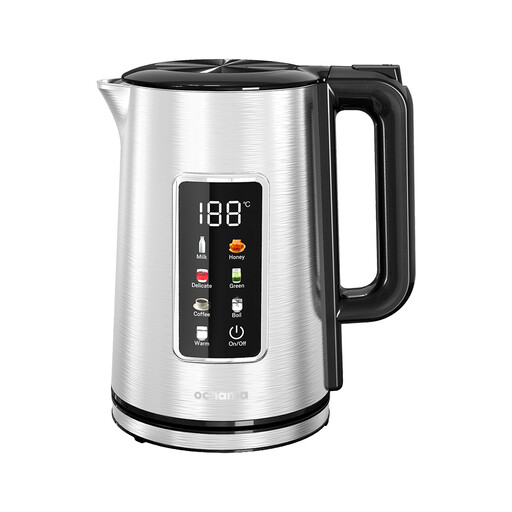
Why This Fits Their Persona: A practical choice for households that want one kettle for tea, coffee, hot drinks and preparing milk without frequent refilling.
The 1.7L capacity and automatic cut-off address repeated refilling and dry-boiling concerns, while the double-wall design helps reduce contact with the hot outer surface.
1.7L family capacity, 2,100W heating, temperature display, keep-warm function and a separate base with cable storage.
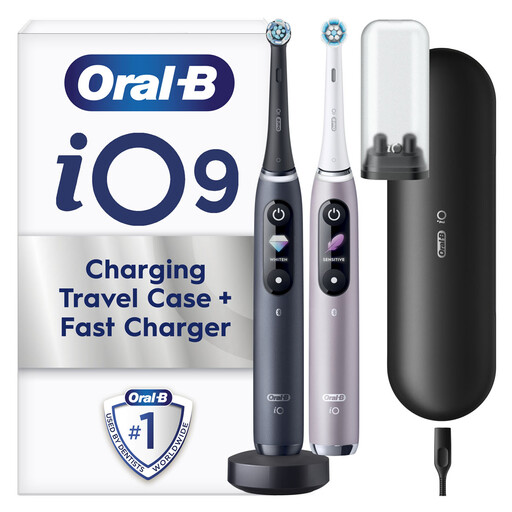
Why This Fits Their Persona: Suitable for couples or adults who value multiple brushing modes, guided routines and travel-friendly charging accessories.
The pressure sensor provides usable feedback rather than relying only on marketing language about cleaning performance. Check the included UK 2-pin plug before purchase.
Two handles, seven modes, interactive colour displays, pressure guidance, a three-hour magnetic charger and charging travel case.
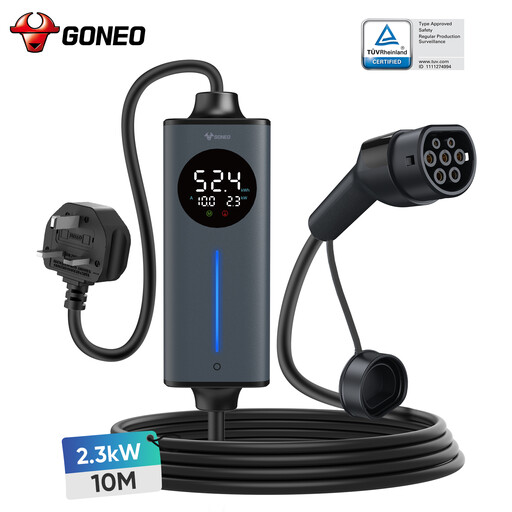
Why This Fits Their Persona: Designed for EV drivers who need a portable charging option for home use, visiting family or travel within the UK.
The Type 2 connector, adjustable current and display make compatibility and charging status easier to check. Protection systems help address overheating, leakage and overcurrent concerns.
10m cable, up to 2.3kW output, adjustable 10A current, delay charging, IP66 rating and LED readings for voltage, current and temperature.

Why This Fits Their Persona: A flexible option for households preparing shared meals, soups, steamed food, pasta or slow-cooked dishes in one appliance.
The 5L bowl and detachable steamer provide useful capacity, while dual heat controls are more practical than relying on one fixed temperature.
1,200W output, 5L capacity, non-stick inner surface, removable steamer and functions for boiling, steaming, frying and simmering.
We have compiled a complete, real-time list of products that fully satisfy these strict selection criteria and UK safety regulations.
Check the intended voltage, plug type, warranty information, dimensions, capacity and safety instructions. For appliances involving heat, water or vehicle charging, look for protections such as automatic shut-off, overheat protection, leakage protection or tip-over switches.
They can be, particularly models with Type-C or USB charging, detachable nozzles and water-resistant construction. Compare tank capacity and battery information, and ensure the charging port is completely dry before connecting a cable.
Choose the correct capacity so you do not repeatedly run an oversized appliance, use heat settings appropriate to the task and avoid unnecessary keep-warm functions. For EV charging, a compatible charger with delay charging may help you schedule charging around your electricity tariff, subject to your supplier’s terms.