
24/7 Customer Support

Free returns

Same-day & Next-day Delivery

Quality Guaranteed

Unlock Your Welcome Offers: FREE Delivery | Up to 80% OFF | Free 30-day JoyPlus trial
Download the APP
As a Joybuy Product Recommendation Officer, I often see how a simple appliance like a kitchen kettle can cause unnecessary frustration. It’s a cornerstone of the British kitchen, yet many of us end up with a model that either gives up after a year, makes our tea taste strange or takes an age to boil. Before you buy your next electric kettle, let’s look at a few common pitfalls that can lead to a disappointing purchase.
Navigating the specifications can feel overwhelming. Here are the three most important factors to focus on to find a reliable and suitable electric kettle.
For most households, a 1.7L kettle is the standard, providing enough water for about 6-7 cups. This is ideal for family breakfasts or when you have guests. When it comes to speed, look for the power rating.
The material of your kettle's interior is crucial for both taste and durability.
Beyond boiling water, modern kettles offer features that cater to different lifestyles.
Based on these practical criteria, here are a few models suited to different needs and households across the UK.
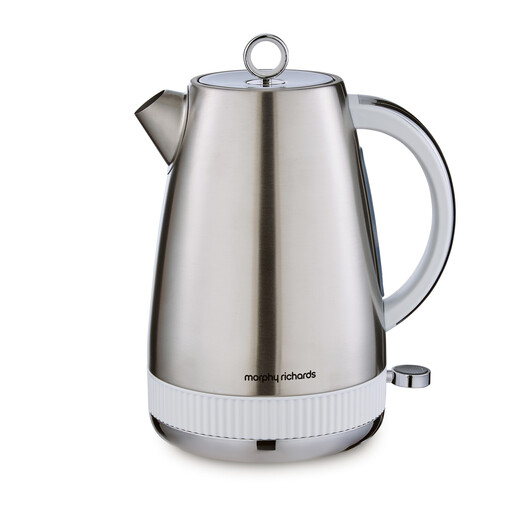
Why This Fits Their Persona: This kettle is built for the morning rush. Its 3kW rapid boil function, large 1.7L capacity and practical jug design make it perfect for getting multiple cups of tea and coffee ready quickly without fuss.
It features a powerful 3kW concealed element for genuine rapid boiling and easy descaling. The removable limescale filter helps tackle hard water issues from day one.
Features a clear external water gauge for easy filling and boil-dry protection for safety. The 360° base makes it convenient for everyone in the household to use.
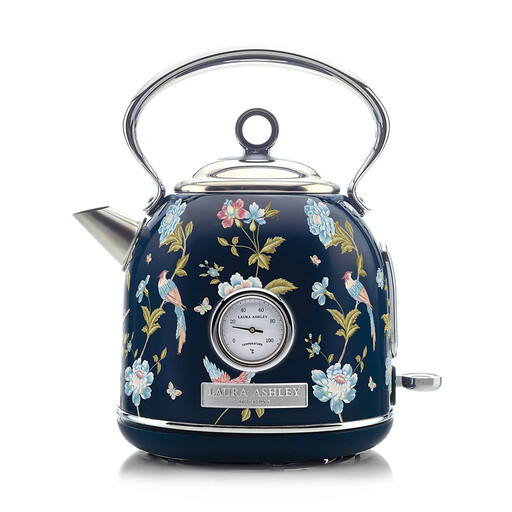
Why This Fits Their Persona: For those who see their kitchen appliances as part of their decor, this retro kettle is a statement piece. The iconic Laura Ashley print and classic dome shape add a touch of heritage-inspired elegance to the worktop.
This isn't just about looks. It's a durable stainless steel kettle with a removable limescale filter, addressing the key issues of taste purity and longevity in hard water areas.
Combines rapid boil performance with a unique, hand-decorated finish. The 1.7L capacity makes it as practical as it is beautiful, suitable for daily use and entertaining.
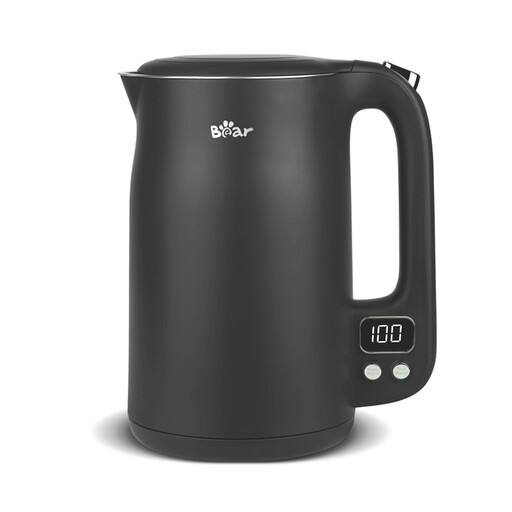
Why This Fits Their Persona: This is a kettle with temperature control for those who understand that boiling water can scorch delicate green tea or fail to extract the full flavour from coffee. The microprocessor touch panel allows for precise temperature selection.
It features a food-grade 304 stainless steel interior, ensuring no plastic contact with the water. This preserves the pure taste of the water, which is critical for appreciating fine teas and coffees.
Offers 6 preset temperatures for different beverages and a real-time digital display. The keep-warm function maintains the selected temperature, so it's ready for a second cup.
We have compiled a complete, real-time list of products that fully satisfy these strict selection criteria and UK safety regulations.
This depends heavily on the water hardness in your area. In soft water areas, you might only need to descale every 2-3 months. In very hard water areas (like London and the South East), it's a good idea to descale every 4-6 weeks to maintain performance and efficiency. Using a kettle with a concealed element and a removable filter makes this process much simpler.
While a 3kW kettle uses more electricity per second than a 2.2kW one, it also runs for a shorter period to boil the same amount of water. The difference in the cost per boil is typically negligible, often amounting to a fraction of a penny. The main benefit is time saved, not a significant increase in your energy bill. The most effective way to save energy is to only boil the amount of water you need.
The main difference is their shape and handle placement. A jug kettle is tall and has a handle on the side, much like a water jug. This design is often considered more ergonomic for filling and pouring. A dome kettle, sometimes called a retro kettle, has a more traditional, rounded shape with a handle over the top. The choice is largely down to personal preference and kitchen aesthetics, as both types perform the same core function.