
24/7 Customer Support

Free returns

Same-day & Next-day Delivery

Quality Guaranteed

Unlock Your Welcome Offers: FREE Delivery | Up to 80% OFF | Free 30-day JoyPlus trial
Download the APP
Choosing among modern electric kettles is no longer simply a question of colour or price. UK shoppers can now select rapid-boil models, a digital kettle with temperature control, a smart kettle, a glass tea maker or a multifunctional health kettle with preset programmes.
However, attractive specifications do not always translate into convenient everyday use. Before buying, check the details that affect boiling speed, cleaning, safety and long-term practicality.
A kettle labelled 1.7L, 1.8L kettle or even 2L may not be suitable for every kitchen. The maximum mark is not a recommended fill level for making a single drink, and repeatedly boiling more water than necessary can increase energy use.
For one or two people, a 1.5L kettle may be easier to store and sufficient for several mugs. Families and office users may prefer 1.7L or 1.8L, but should check the minimum fill line too. A kettle that cannot safely boil a small amount may be inconvenient for a quick cup of tea.
A rapid boil kettle may reach boiling point quickly when making one cup, but the time depends on the water volume, starting temperature and rated power. For example, the Tower Cavaletto Mirage models are specified with 3kW power and a single-cup boil time of under 60 seconds. That does not mean a full 1.7L fill will boil in the same time.
Look for a clearly stated power rating and use the cup or water-level markings. Boiling only the amount required is generally more practical than relying on headline speed claims.
A health kettle or multifunctional tea maker may include modes for fruit tea, soup, porridge and herbal drinks. These features can be useful, but they also introduce more controls and cleaning requirements than a standard kettle.
If you mainly make black tea or coffee, a variable temperature model may be more useful than a large menu of cooking programmes. If you regularly prepare infusions or warm drinks, check whether the appliance includes a removable infuser, keep-warm function and wide opening for cleaning.
For typical UK households:
Also measure the height and depth of the kettle, particularly if it will sit beneath wall cabinets. A viewing window makes it easier to avoid overfilling, while a 360-degree cordless base can suit both left- and right-handed users.
A standard kettle generally boils water to around 100°C. A variable temperature kettle allows lower settings for drinks where boiling water may be unsuitable for the preferred preparation method. Useful ranges include 40°C to 100°C, although the exact increments vary.
The Tower Cavaletto Mirage Digital Kettle offers settings in 5°C increments from 40°C to 100°C. The Bear stainless steel model lists six temperature settings and a keep-warm range from 40°C to 95°C. These specifications are more useful than vague references to “smart heating”.
A keep-warm kettle can reduce repeated boiling when several people are making drinks at different times. Check how long the function operates, whether it starts automatically and whether the display clearly shows the current temperature.
A stainless steel kettle can provide a durable water-contact surface, while a glass kettle lets you see the water level and brewing process. Borosilicate glass is commonly used for heat-resistant cookware, but the body can still become hot during operation.
Important features include:
For UK use, check the supplied plug, voltage information and product safety documentation before purchase. The listed models specify 220–240V operation, but you should always follow the individual product instructions. Never immerse the kettle, base, cable or plug in water.
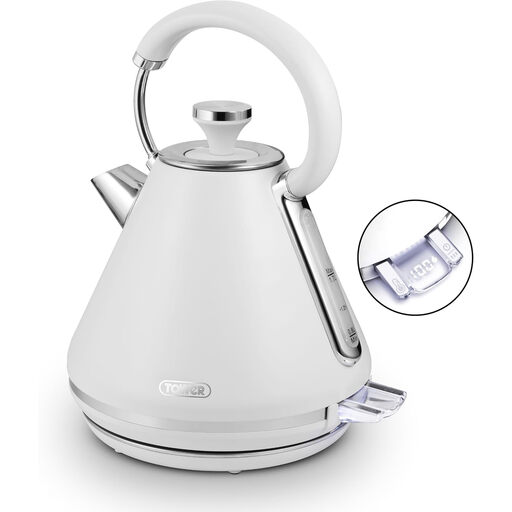
Why This Fits Their Persona: A straightforward choice for households wanting temperature control and rapid boiling without moving to a multifunction cooking appliance.
Its stated 3kW rating, 1.7L capacity and 5°C temperature increments provide specific information rather than relying only on “rapid” or “digital” wording.
40–100°C control, single-cup boiling specified under 60 seconds, viewing window and removable limescale filter.
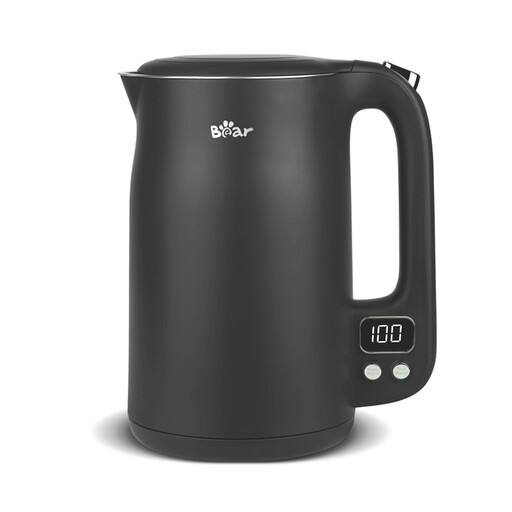
Why This Fits Their Persona: Suits tea and coffee drinkers who want a stainless steel interior, temperature selection and a real-time display for repeatable preparation.
The specification lists six settings, boil-dry protection and automatic shut-off, helping buyers check practical details behind the digital controls.
304 stainless steel interior, 1.7L capacity, microprocessor touch panel and keep-warm settings from 40°C to 95°C.
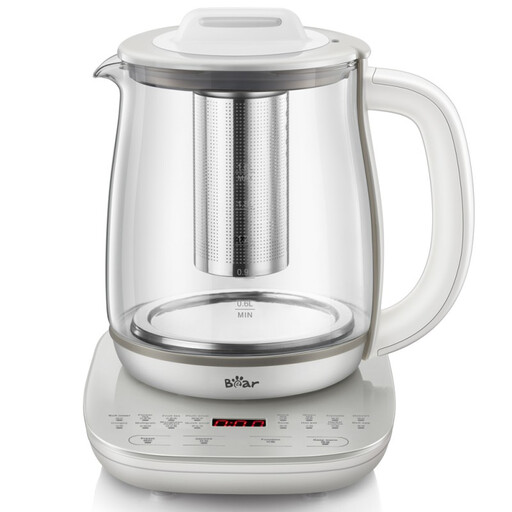
Why This Fits Their Persona: Designed for households preparing more than hot water, including tea infusions, porridge, soups and other preset recipes.
The 16 presets, 1.8L capacity and included infuser are clearly specified, so the extra functionality can be compared with your actual routine.
Borosilicate glass body, 304 stainless steel interior and a 9.5-hour maximum preset function.
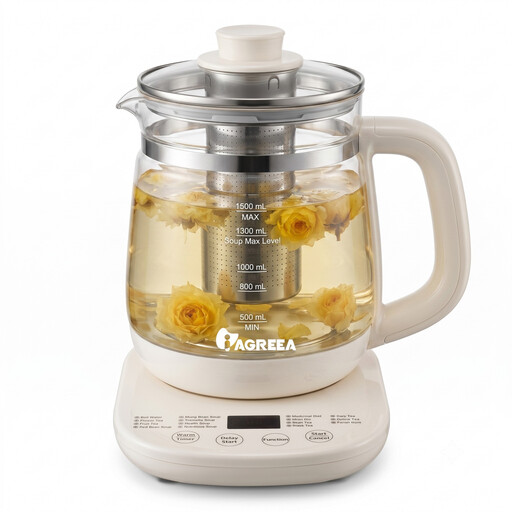
Why This Fits Their Persona: A compact option for users who prepare herbal teas, fruit infusions or warm drinks and want scheduled preparation in a small footprint.
Its 14 programmes, six constant-temperature settings, removable infuser and wide opening are listed separately, making cleaning and control easier to assess.
1.5L capacity, borosilicate glass body, 800W heating, delay start and automatic keep-warm function.
We have compiled a complete, real-time list of products that fully satisfy these strict selection criteria and UK safety regulations.
Hard water can leave limescale on the heating element and filter, particularly in areas with higher mineral content. Follow the manufacturer’s descaling instructions and clean the removable filter regularly. White vinegar or a dedicated descaler may be suitable, but check the product manual first.
Always unplug the kettle before filling, moving or cleaning it. Keep the base and underside of the kettle dry, avoid filling above the maximum line and allow steam to escape safely. If the cable, plug or housing shows damage, stop using the appliance and contact the appropriate support service.
They can be useful if you regularly prepare different teas, coffee or warm drinks and want more control than a standard boiling kettle provides. If every drink uses boiling water, the additional settings may not be necessary.
Running cost depends on the amount of water heated, the appliance’s power rating and your electricity tariff. A higher-wattage kettle may boil faster, but boiling a full 1.7L when you need one mug can use more energy than heating the required amount. Use the water-level markings and avoid unnecessary reboiling.
Lifespan varies according to construction, frequency of use, water hardness and maintenance. Regular descaling, correct filling and careful handling can help preserve performance. Before buying, check the warranty period, replacement filter availability and the seller’s after-sales information.