
24/7 Customer Support

Free returns

Same-day & Next-day Delivery

Quality Guaranteed

Unlock Your Welcome Offers: FREE Delivery | Up to 80% OFF | Free 30-day JoyPlus trial
Download the APP
Long hours at a desk, commuting, travelling or standing at work can leave your feet, neck, shoulders and eyes feeling tired. Electric massage machines offer a convenient way to add massage, warmth or compression to a home routine, but the most expensive-looking model is not automatically the most suitable.
Before buying, look beyond phrases such as “deep tissue” or “spa experience”. Check how the machine actually fits your body, how much preparation it requires and whether its safety features match your intended use.
A stronger setting is not necessarily more comfortable. Deep kneading, air compression and rotating rollers can feel too forceful if the device does not match your sensitivity or the area being massaged. Look for adjustable intensity, multiple modes and the ability to stop heat or compression independently.
A foot bath massager needs water, drainage and drying after every session. If the design is awkward to empty, it may be used less often than expected. Dry foot massagers are easier to set up, while wet-and-dry models offer flexibility but require more cleaning.
For head and neck devices, check whether the contact areas can be wiped or removed. Washable covers are particularly useful when a machine is used frequently.
Heat can make a massage feel more relaxing, but it should be optional and controlled carefully. A device with a fixed or poorly explained temperature may not suit everyone. Check the stated temperature range, timer and automatic shut-off. Do not sleep while using a heated massager, and stop if the warmth feels uncomfortable.
A head massager may cover the scalp, eyes and neck, while a portable neck massager is generally designed for the sides and back of the neck. A foot massager may target the heel, instep and sole, but the usable foot size varies.
Check:
Useful controls include at least two or three intensity settings, selectable massage direction, an optional heat mode and a timer. For example, the RENPHO neck and shoulder model lists three intensity levels and bi-directional rotation. Foot devices may separate heel and instep control or combine kneading with air compression.
A timer and automatic shut-off help prevent overuse. They do not replace following the manual’s recommended session length.
Mains-powered machines can provide consistent use at home, while rechargeable or USB-charged designs are more convenient for travel. A portable neck massager may suit an office or a journey, but a larger foot bath massager is better treated as a stationary appliance.
For wet models, look for a drainage outlet, removable massage plates, water-temperature display and clear cleaning instructions. Never immerse the electrical parts. Use only approved additives in a foot bath, as oils or salts can affect pumps and internal components.
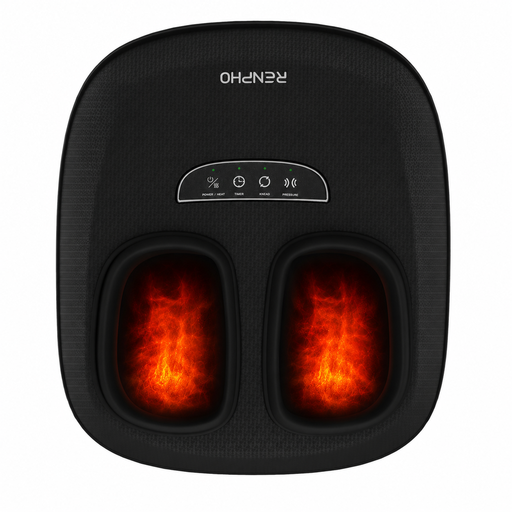
Why This Fits Their Persona: A straightforward home option for people who want foot kneading and warmth without managing a water-filled basin after each use.
The removable washable cover addresses hygiene concerns, while independent heel and instep control helps avoid relying on one overly strong setting.
Full-foot Shiatsu coverage, dual-zone control, adjustable kneading, heat and timer settings.
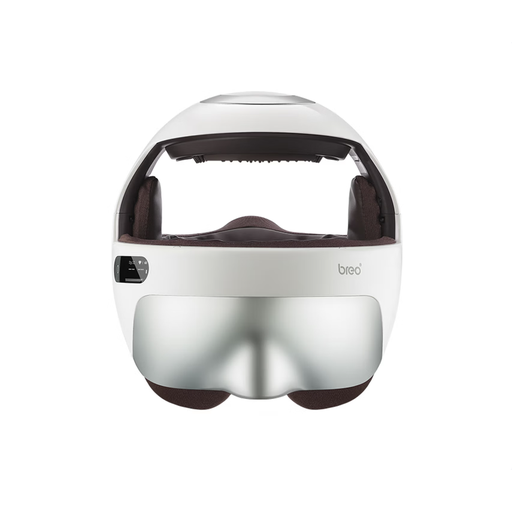
Why This Fits Their Persona: Suitable for shoppers seeking a multi-area device for head, eye and neck relaxation after screen-heavy workdays.
The eye sections can be removed, the strap is adjustable and the app allows settings to be customised rather than relying on one fixed programme.
Combines compression, heat and kneading, with a rechargeable battery rated for up to 90 minutes of cordless use.
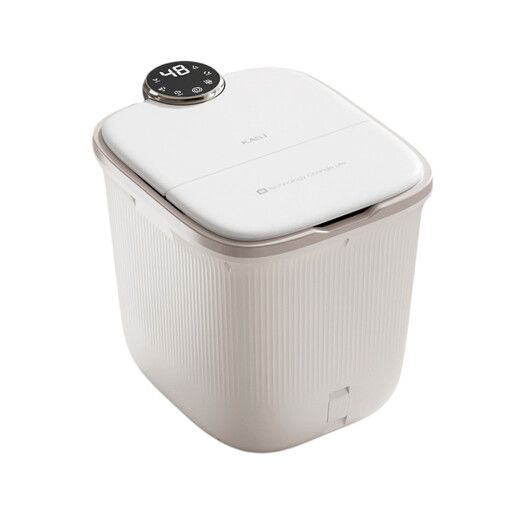
Why This Fits Their Persona: A practical match for people who want a dry foot massage during the week and a warm foot bath when they have more time.
Dry mode avoids water preparation, while the drain outlet, timer and stated 35°C–48°C water heat range make wet use more manageable.
Six pressure levels, Shiatsu sole kneading, instep air compression, wheels and a pull strap.
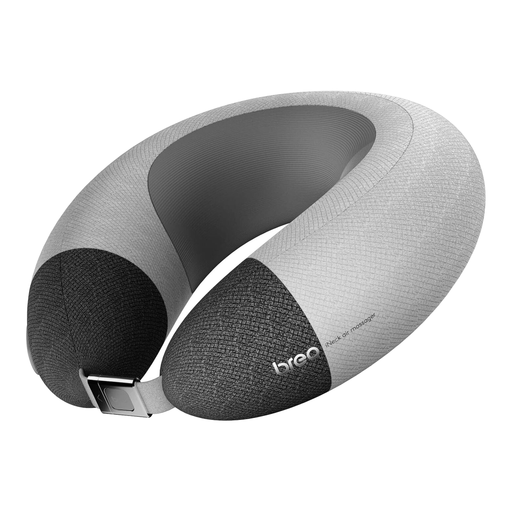
Why This Fits Their Persona: Its inflatable U-shaped design, USB charging and storage bag suit commuters, frequent flyers and office users needing a small footprint.
It is designed for portability rather than presenting a large home unit as travel-friendly, and its heat function can be selected as needed.
Three massage modes, rotating massage heads, low-noise operation and USB recharging.
We have compiled a complete, real-time list of products that fully satisfy these strict selection criteria and UK safety regulations.
Use an electric massage machine only as directed. Do not use a neck and shoulder massager on injured or swollen areas, while driving or when sleep is likely. People with diabetes, reduced sensation, circulation concerns, a pacemaker, pregnancy or ongoing pain should seek appropriate medical advice before using heat, compression or foot bath functions.
For electricity costs, check the appliance’s wattage on its specification label. A simple estimate is:
Wattage ÷ 1,000 × hours used × your electricity tariff = approximate running cost
Water-based foot spas also involve warm-up energy, water use and cleaning time. A dry Shiatsu massager usually has fewer preparation costs, although its purchase price and power consumption vary by model.
Many are designed for short, regular sessions, but the correct duration depends on the model. Follow the manual, use a moderate setting initially and allow the machine to cool if instructed. Stop if you experience pain, dizziness, unusual redness or persistent discomfort.
A foot massager normally works dry and uses rollers, kneading, compression or vibration. An electric foot spa adds heated water, circulation and sometimes rotating rollers. It can feel more immersive but needs filling, draining and thorough drying.
A foot massager may provide temporary comfort through warmth or massage, but it should not be presented as a treatment or substitute for professional medical advice. Avoid use over wounds, inflammation or reduced-sensation areas, and seek advice if pain continues.