
24/7 Customer Support

Free returns

Same-day & Next-day Delivery

Quality Guaranteed

Unlock Your Welcome Offers: FREE Delivery | Up to 80% OFF | Free 30-day JoyPlus trial
Download the APP
Electric massagers can make a useful addition to home massage equipment, whether you spend long hours at a desk, stand throughout a shift, travel frequently or simply want a convenient way to unwind. However, product pages often focus on impressive-sounding massage modes while leaving out details that affect comfort, usability and long-term value.
The right choice depends less on the number of buttons and more on whether the device suits the body area, session length and environment in which you plan to use it.
Terms such as “deep tissue” and “powerful kneading” may sound appealing, but a high-intensity setting is not automatically more suitable. A neck and shoulder massager with limited adjustment can feel uncomfortable if the nodes press too firmly or rotate in a fixed direction.
Look for multiple intensity levels, adjustable positioning or independent massage zones. These features make it easier to adapt the device to your comfort level.
A heated massager can feel soothing, but heat settings vary considerably. Some products provide optional warmth, while others use a fixed temperature or gradually increase heat. A higher temperature is not necessarily preferable, particularly for people with sensitive skin.
Check whether the heat can be switched off, whether the temperature is stated clearly and whether the instructions include warnings about prolonged use. Never use heat while asleep, and stop immediately if the skin feels excessively hot or uncomfortable.
A foot massager may be effective for relaxation but impractical if its fabric cannot be removed for washing. Similarly, a mains-powered device may not suit someone who wants a portable massager for an office or travel bag.
Before buying, check cleanable contact surfaces, cable length, battery capacity, weight and storage requirements. These details often determine whether a product becomes part of your routine or remains unused in a cupboard.
Different mechanisms suit different needs:
Check the manufacturer’s permitted body areas. A neck and shoulder model should not automatically be used on the head, chest or abdomen.
A heated massager should provide clear information about its heat function. For example, the Breo foot model lists an optional 40–45°C heat range, while the RENPHO WMF07 foot massager specifies a constant 55°C setting. These are materially different experiences, so compare the figures rather than relying on the word “heated”.
Also consider how controls work. Large physical buttons may be easier to operate with tired feet, while app control can offer more customisation but requires a compatible smartphone and initial setup.
For mobile use, a built-in rechargeable battery can be more convenient than a mains cable. The SKG H7 lists approximately 90 minutes of use per charge, and the SKG HS500-2 lists 70 minutes. Actual usage will depend on the selected mode and heat setting.
A hands-free massager can be useful while sitting at a desk or relaxing on a sofa, but check its weight and fit. A wrap-around design should sit securely without forcing the neck or shoulders into an unnatural position.
For electrical safety, read the supplied instructions and check that the product includes the appropriate conformity information for the UK market, such as UKCA or CE marking where applicable. Use the supplied charger or adaptor, keep electrical devices away from water and do not use damaged cables.
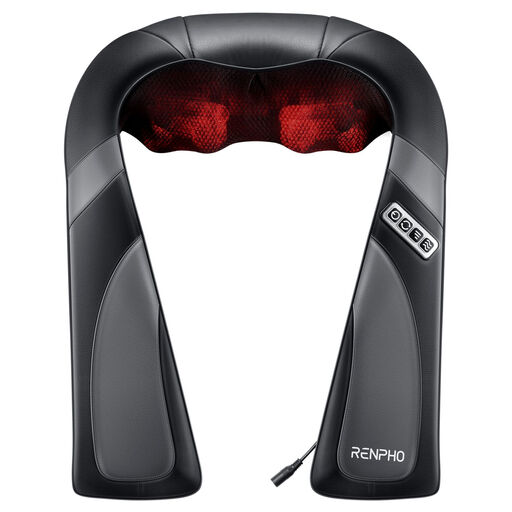
Why This Fits Their Persona: A practical option for office workers or first-time buyers who want a straightforward device for use at home, with three intensity levels and mains operation.
The three intensity levels and bi-directional rotation reduce reliance on one fixed pressure pattern. Heat is optional rather than permanently enabled.
Eight kneading nodes, an ergonomic U-shape, automatic shut-off and overheat protection. A carry bag is included.
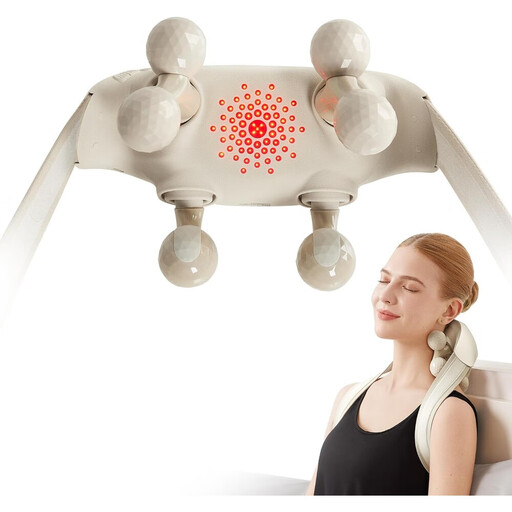
Why This Fits Their Persona: Suits shoppers looking for a cordless, wrap-around design with a larger stated massage area for regular home or office sessions.
Its hands-free backpack-style construction avoids having to hold the unit in place. The built-in battery removes dependence on a nearby socket during use.
Six massage heads, heating, LED lighting and approximately 90 minutes of battery use are listed in the product details.
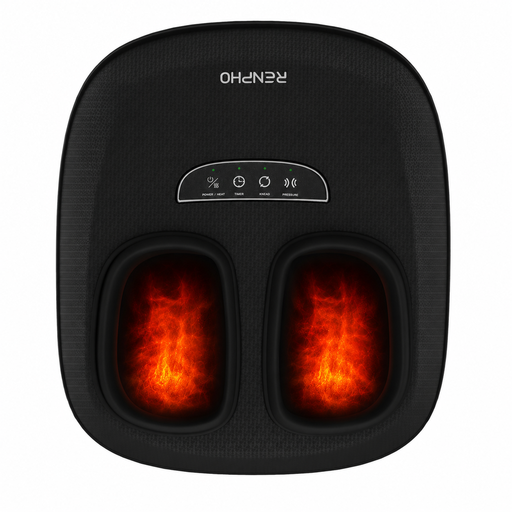
Why This Fits Their Persona: Designed for people who stand or walk for long periods and want full-foot coverage in a dedicated home unit.
Independent instep and heel controls help avoid a one-size-fits-all pressure pattern. The removable washable cover addresses regular-use hygiene.
Full-foot shiatsu kneading, three pressure intensities, adjustable timing and a stated constant 55°C heat function.
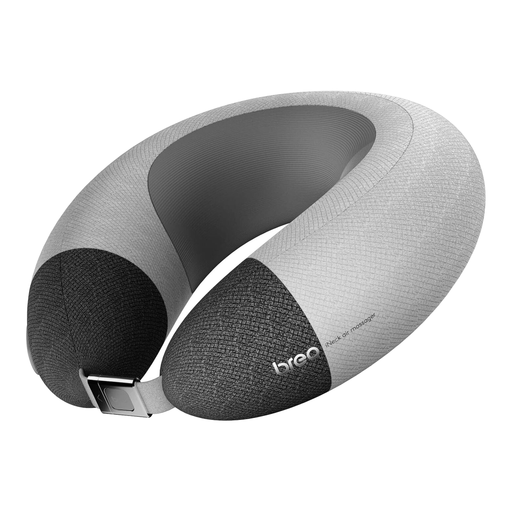
Why This Fits Their Persona: Its inflatable U-shaped format is aimed at people who need a compact neck massager for travel, office breaks or limited storage.
The inflatable design can be deflated for packing, while USB charging avoids carrying a separate proprietary charging system during trips.
Two rotating massage heads, three modes, optional heat, low-noise operation and a storage bag are listed features.
We have compiled a complete, real-time list of products that fully satisfy these strict selection criteria and UK safety regulations.
Start with the lowest comfortable setting and follow the recommended session duration in the manual. Keep the device moving or positioned as instructed rather than applying extra body weight. Avoid use over swollen, inflamed, injured or irritated skin.
If you are pregnant, have a pacemaker, diabetes, neuropathy, circulation problems, osteoporosis or a persistent neck or back condition, seek medical advice before using a massage machine for pain relief. These products are intended for relaxation and everyday muscle tension, not to diagnose or treat a medical condition.
Running cost depends on the device’s wattage, session length and electricity tariff. Short sessions generally use relatively little electricity, but heated functions may consume more than massage alone. Check the product’s power rating if energy use is a priority.
Many models are designed around a short session, commonly around 15–20 minutes, and may include automatic shut-off. Follow the product manual rather than extending sessions because the device feels comfortable initially.
Lifespan depends on frequency of use, storage, cleaning and treatment of the cable or battery. Choose models with washable covers or wipe-clean surfaces, allow heated units to cool before storage and avoid operating them near water. A rechargeable portable massager may eventually show reduced battery capacity, while mains-powered designs avoid battery wear but require a suitable socket.