Small-batch broth makers
You usually make vegetable broth for one or two people and need the cooker to justify its place on a limited worktop or in a cupboard.


Choose an electric pressure cooker that fits both the amount of vegetable broth you normally make and the space where you will use and store it. A 3.8L cooker is a practical starting point for modest batches, while a 4.8L–6L cooker is worth considering if you regularly make broth to freeze; in either case, check the exact model’s usable fill level, dimensions and pressure-cooking instructions before buying.
You usually make vegetable broth for one or two people and need the cooker to justify its place on a limited worktop or in a cupboard.
You make broth for several meals or to freeze, and can accommodate a larger cooker if it means making fewer batches.
You want to sauté vegetables and pressure cook broth in one appliance, while keeping cleaning and operating instructions manageable.
For vegetable broth in a small kitchen, start with your usual batch size and available space, then decide whether sautéing in the same pot matters to you. The cooker’s pressure-cooking fill line and liquid instructions determine what you can actually make, regardless of its stated capacity.
| Concern | What to check | Who this matters to |
|---|---|---|
| Space and batch size | Measure the exact cooker’s depth, width and height against its intended location. Compare your usual broth batch with its pressure-cooking fill line, not just its stated capacity. | If I cook for one or two people, I need enough broth without giving up too much worktop or cupboard space. Around 40% of consumers put fit and usable batch size first. |
| One-pot preparation | Check whether the exact model has both pressure-cook and sauté functions, and read its instructions for adding liquid and releasing pressure. | I want to sauté vegetables before making broth without using another pan. For around 30% of consumers, that simpler workflow is the main priority. |
| Safe use and upkeep | Read the model’s placement, vent, cleaning and replacement-part instructions; check its exact identity against UK product-safety alerts. | If I will use a pressure cooker regularly, I need clear instructions for hot liquid and steam, plus a practical cleaning routine. Safe use and upkeep come first for around 30% of consumers. |
Pressure cooking requires space above the ingredients and liquid. Instant Pot’s instructions for the Classic Mini 3.8L say to keep contents below its PC Max 2/3 line, so a pressurised batch cannot use the pot’s full stated capacity.
Compare your intended batch with the exact cooker’s pressure-cooking fill mark and minimum-liquid requirement before choosing a size.
Capacity does not tell you how much counter or cupboard space a cooker occupies. Instant Pot lists the Classic Mini 3.8L at 31.8 × 35.1 × 25.6cm, measured depth × width × height; other models need their own measurements.
Measure the intended location and allow room to handle the lid, route the cable and release steam as directed by the model’s manual.
A programme does not remove the need to add enough suitable liquid, respect the fill line or place the cooker correctly. Instant Pot’s Classic Mini guidance specifies at least 375ml of liquid for pressure cooking.
Read the instructions for your exact model before making broth, including its liquid, lid, vent and pressure-release directions.
The UK Office for Product Safety and Standards reported a serious fire risk involving a specific 6L electric pressure cooker in August 2026 because it was inadequately earthed. That report does not describe every 6L cooker.
Check the exact brand and model against GOV.UK product-safety alerts and recalls rather than judging by appearance or capacity.
Its UK range includes the Classic Mini 3.8L and a larger Classic 5.7L, giving broth makers different batch-size options.
Tefal lists a 4.8L Turbo Cuisine CY754840 pressure cooker alongside larger options, which may suit cooks who make more broth per batch.
The Ninja Foodi OP300UK is a 6L 7-in-1 multi-cooker with pressure cooking, for buyers who would use cooking modes beyond broth preparation.
These choices span a 1.8L pressure cooker for small portions, a 3.8L multi-cooker and two 5.7L multi-cookers for cooks considering larger batches. Capacity alone cannot establish counter fit or usable broth volume, so compare each exact model’s dimensions and pressure-cooking instructions with your kitchen and recipe.
 No image available
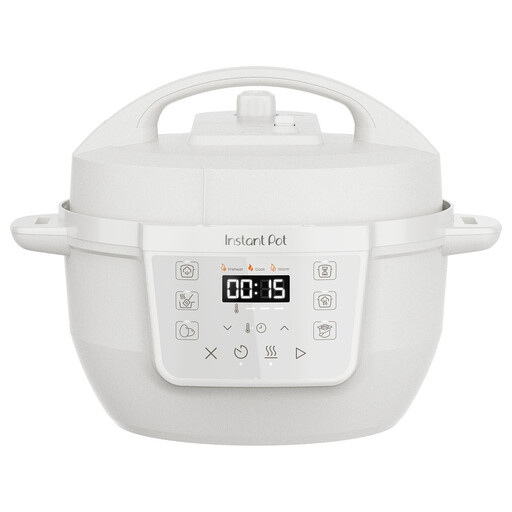
Consider the 3.8L size if you usually make modest broth batches rather than large amounts to freeze. Check this Sea Salt cooker’s dimensions, pressure-cook and sauté functions, and model-specific liquid and fill instructions before relying on it for a one-pot recipe; specifications for a different Instant Pot 3.8L variant should not be assumed to apply.
 No image available
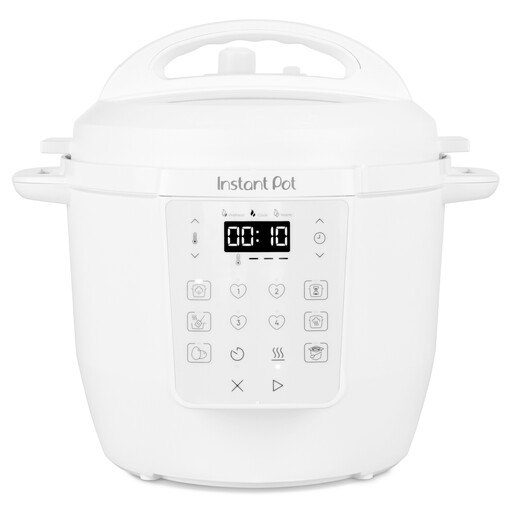
The 5.7L size is worth considering if your usual broth batch is larger or you also want a multi-cooker for other meals. The product name lists pressure cooking and sautéing, as well as a ceramic non-stick coating and a recipe book. Check its dimensions, usable pressure-cooking fill level and cleaning instructions for your intended setup.
 No image available
Consider the 5.7L capacity if making fewer, larger broth batches matters more to you than choosing the smallest cooker. Measure this Sea Salt version for your worktop and storage space, and confirm its cooking functions, liquid requirement and pressure-cooking fill line in the exact model’s instructions.
 No image available
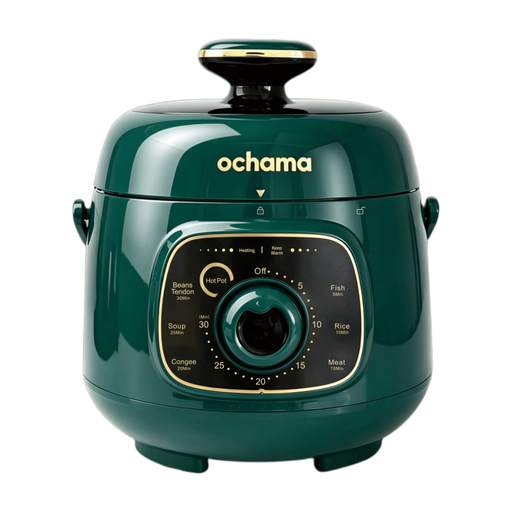
Consider this 1.8L pressure cooker if you make small portions and can accept a limited batch size. Before choosing it for broth, compare the usable pressure-cooking fill level with your recipe, measure its exact dimensions and check the instructions if sautéing vegetables in the same pot matters to you.
Choose by the amount of broth you will actually use or freeze, then check the cooker’s pressure-cooking fill line. Instant Pot describes its Classic Mini 3.8L as suitable for up to four portions, but its full stated capacity is not available for a pressurised batch. A 4.8L–6L cooker is worth considering if you regularly need more broth at once and have room for the appliance.
No, but a sauté function lets you cook vegetables in the same pot before adding liquid for pressure cooking. Instant Pot lists both functions for its Classic Mini 3.8L and instructs users to deglaze and add water-based liquid before pressure cooking. Confirm the functions and instructions for the exact cooker you choose.
Use a location that meets the exact model’s placement and steam-release instructions, not merely a spot where its base fits. Instant Pot’s Classic Mini manual specifies a stable, level, non-combustible surface and says not to block the bottom vents; check the space needed to handle the lid and keep the appliance away from water and heat sources as directed.
Yes, a safety alert can apply to a specific product rather than every cooker of the same capacity. The UK Office for Product Safety and Standards issued an August 2026 serious-risk report for a particular 6L electric pressure cooker because it was inadequately earthed. Check the exact brand and model against GOV.UK product-safety alerts and recalls.
Check whether parts you may need, such as a sealing ring or inner pot, are available for the exact cooker reference. Tefal says its 15-year repairability commitment applies to almost all its products, but confirm coverage and the relevant part for your chosen model before relying on that commitment.