Regular brown-rice cooks
If brown rice is a frequent meal component, look for instructions for the exact cooker and the quantity you make. Check the specified liquid and release method rather than transferring a recipe from another appliance.


Choose an electric pressure cooker for brown rice by checking the exact model’s grain instructions, your usual batch size and its pressure-release procedure. A conventional multi-cooker suits you if you will use its other cooking functions; a guided model is worth considering if on-screen steps and automatic pressure release matter more to you. Neither type’s rice function alone establishes how it will cook your preferred brown rice.
If brown rice is a frequent meal component, look for instructions for the exact cooker and the quantity you make. Check the specified liquid and release method rather than transferring a recipe from another appliance.
If you prepare rice for several meals or family portions, compare your rice-and-water volume with the cooker’s pressure-cooking fill limit. Consider whether its other functions and pot-care instructions fit your routine.
If you would rather follow on-screen steps than manage every stage yourself, look at the controls, first-use instructions and pressure-release design. You will still need to follow the exact model’s operating instructions.
Start with the brown-rice method for the exact cooker, then check whether its usable batch size and operating style suit the way you cook.
Consider it when: you want pressure and rice cooking alongside other one-pot functions and are comfortable following a model-specific recipe.
Trade-off: a rice function does not establish a dedicated brown-rice setting, liquid ratio or release method.
Consider it when: on-screen instructions and automatic pressure release would help you manage the cooking process; Tefal describes these features for the Cook4me+ CY851840.
Trade-off: guided operation does not remove the need to follow that model’s brown-rice and fill instructions.
| Concern | What to check | Who this matters to |
|---|---|---|
| Brown-rice method | Find grain instructions for the exact model; check the liquid quantity and specified pressure-release method. | If I cook brown rice regularly, I want a method I can follow for my usual quantity rather than adapting another cooker’s recipe. Around 33% of consumers put dependable brown-rice results first. |
| Batch capacity | Compare your rice-and-water volume with the pressure-cooking maximum-fill mark, not just the stated litre capacity. | Preparing several portions at once matters more to me than having a smaller appliance. For around 25% of consumers, batch capacity is the primary concern. |
| Other cooking functions | Check which additional modes you would actually use and what accessories and cleaning steps they require. | I want the same appliance to handle brown rice and other meals, so functions beyond rice cooking would earn their place in my kitchen. Around 17% of consumers prioritise that versatility. |
| Guidance and setup | Read the first-use, minimum-liquid, sealing and release instructions; check current UK safety alerts against the exact model. | As a new pressure-cooker user, I would value clear operating steps and a release method I understand. Guidance and safe setup come first for around 25% of consumers. |
Instant Pot UK publishes a dedicated brown-rice menu instruction for its separate Rice Cooker + Steamer; that does not establish the same programme or method for an Instant Pot Duo or another pressure cooker.
Read the manual for the precise model before buying, particularly its grain recipe, liquid guidance and release steps.
A stated litre capacity is not an instruction to fill the pot to the rim under pressure. The rice, water and required headroom must fit within the model’s pressure-cooking limit.
Check the inner-pot marking and manual against the batch you intend to cook.
The UK Office for Product Safety and Standards reported a serious fire risk for the specific Electric Pressure Cooker 6L model MES6817, barcode 1000795201 and SKU 0H1EPA0000001, citing earthing, fuse and plug-pin defects. The report does not apply that finding to all electric pressure cookers.
Avoid that identified model. For any cooker you consider, establish its exact model identity and check current UK product-safety alerts.
Repair arrangements and replacement-component availability can affect a cooker you expect to use frequently. Tefal states that the Cook4me+ CY851840 qualifies for its 15-year repairability-at-fair-price commitment, subject to its terms and possible temporary parts unavailability.
Check the applicable terms and availability of the parts you may need for the exact model.
Its UK range includes electric pressure multi-cookers for households that want rice cooking alongside other one-pot tasks.
The Cook4me+ CY851840 is a model to consider if guided controls and automatic pressure release are important to you.
These electric multi-cookers list both pressure and rice cooking. Compare their stated capacities with your usual batch, then check each exact model’s brown-rice instructions and pressure-cooking fill limit before choosing.
 No image available
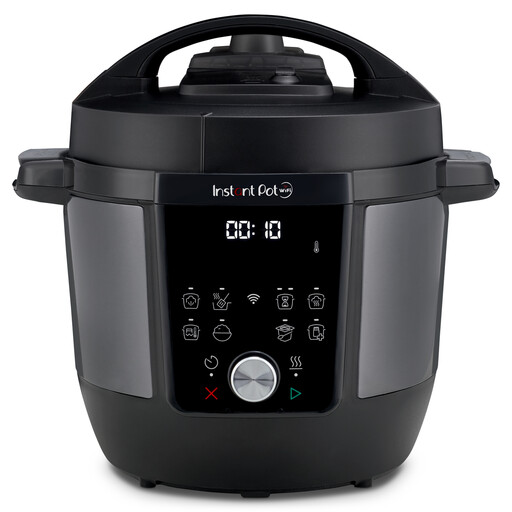
Consider this if you want rice and pressure cooking alongside other modes in a stated 5.7L appliance.
The product name also identifies a ceramic non-stick coating and an included recipe book. Check the exact model’s brown-rice liquid and release instructions, as well as its pressure-cooking fill limit.
 No image available
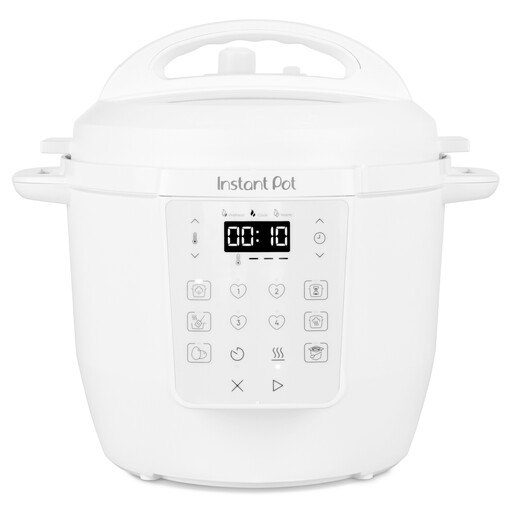
Consider this 5.7L model if you want rice and pressure cooking for household meals alongside other cooking functions.
Instant Pot UK instructs owners of the Plus 5.7L to perform a pressure-cooking test run before first use. Follow its exact brown-rice method and check the pressure-cooking fill mark for your batch.
 No image available
This stated 5.7L multi-cooker is an option if you want rice and pressure cooking for family meals or batch preparation.
The listing identifies seven functions. Before settling on a batch size, check this model’s brown-rice instructions and pressure-cooking fill limit; do not use the Plus or separate rice-cooker instructions in their place.
 No image available
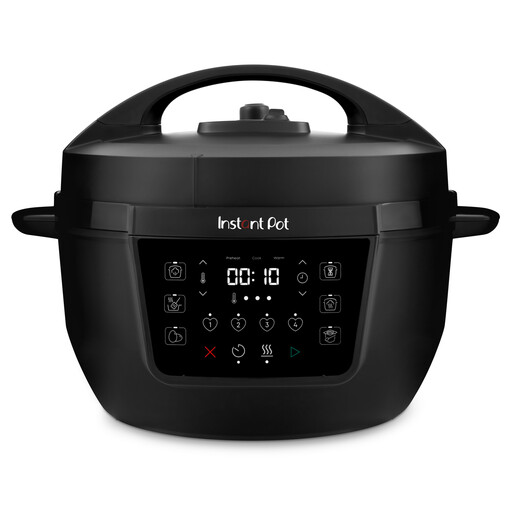
Consider the stated 7.1L size if you regularly plan larger household batches and also want rice and pressure-cooking functions.
The larger stated capacity does not establish how much rice and water you can pressure-cook at once. Check this model’s fill mark and brown-rice method before choosing it for a particular batch.
 No image available
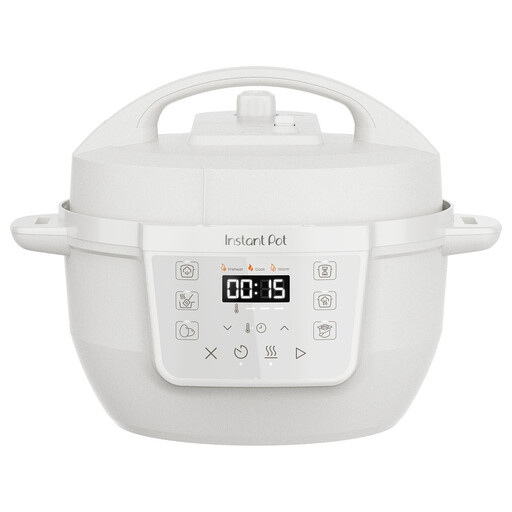
This stated 3.8L option is worth considering for smaller-household meals if you want rice and pressure cooking in one appliance.
Check that your usual rice-and-water quantity fits its pressure-cooking limit, and use brown-rice and release instructions for this exact model.
No: use instructions for the exact appliance. Instant Pot UK’s dedicated Brown Rice menu and stated rice-to-water ratio apply to its separate Rice Cooker + Steamer, not automatically to a Duo, Plus or another pressure cooker; check the relevant recipe and release method.
Follow that model’s first-use instructions before cooking rice. For the Instant Pot Plus 5.7L, Instant Pot UK says to wash and dry the inner pot, install the condensation collector and complete a pressure-cooking test run; liquid requirements must also be checked for the specific use and model.
No: serving guidance is not a pressure-cooking fill limit. Check the exact cooker’s inner-pot maximum-fill marking and compare it with your intended rice-and-water volume; Instant Pot UK specifies a PC Max 2/3 line in its Plus guidance.
No. The Office for Product Safety and Standards report dated August 2026 identifies Electric Pressure Cooker 6L model MES6817, barcode 1000795201 and SKU 0H1EPA0000001. Avoid that model, and check current UK product-safety alerts using the exact identity of any other cooker you are considering.