Small-group cottage cooks
If you are making soup or another one-pot meal for several guests, check the quantity you can cook safely rather than choosing by the headline litre figure alone.


For chicken and barley soup shared by a cottage group, a 5.7–6L electric pressure cooker with a sauté function is a sensible starting point, provided the planned quantity fits within the model’s soup and maximum-fill instructions. Choose on-screen guidance if the people cooking would use recipe prompts; choose extra cooking modes only if they suit other meals during the stay. For a smaller group, a 3.8L model may be worth considering, but check its usable capacity before relying on it for leftovers.
If you are making soup or another one-pot meal for several guests, check the quantity you can cook safely rather than choosing by the headline litre figure alone.
If guests are unfamiliar with the appliance, recipe prompts and clear controls may matter more than a longer list of cooking modes. Everyone using it still needs to follow its pressure-release and fill instructions.
If the cooker will also prepare rice, pasta or slow-cooked meals, compare those functions with the meals you actually plan to make during the stay.
Decide how much soup the group needs, then check whether the cooker’s controls, other functions and physical size suit the cottage kitchen.
| Concern | What to check | Who this matters to |
|---|---|---|
| Usable soup capacity | Compare serving guidance with the manual’s fill limits, particularly for ingredients that expand. | If I am feeding several guests and hoping for leftovers, the amount of soup the pot can safely hold comes first. Around 36% of consumers put shared-meal capacity first. |
| Familiar controls and safe handling | Look at recipe prompts and pressure-release controls, then read the model’s lid and valve instructions. | When several people may use an unfamiliar cooker, I want instructions they can follow without guessing at pressure handling. Roughly 29% of consumers prioritise operating guidance and handling. |
| Other meal functions | Check for sautéing first, then match rice, pasta or slow-cook modes to the meal plan. | If this appliance will cook more than soup during the stay, I want its other modes to cover meals we will make. Around 21% of consumers put multi-meal flexibility first. |
| Kitchen fit and cleaning | Compare external dimensions and weight; check the pot, lid and seal-cleaning instructions. | With limited worktop or cupboard space, I need to lift, store and clean the cooker conveniently. Roughly 14% of consumers prioritise fit and clean-up. |
A pot’s stated capacity is not its permitted soup fill level. The Instant Pot Duo manual limits filling to two-thirds of capacity, or half for foods that expand.
Check the exact model’s fill marks and instructions against the quantity of chicken, barley and liquid you intend to use.
Physical size and weight differ even among cookers intended for shared meals. Instant Pot UK specifies the Duo 5.7L at 33.5 × 31 × 31.7cm and 5.4kg; The Ninja HyperHeat PC201 is listed at 37.8cm wide and 6.5kg.
Measure the available worktop and storage space, and identify a suitable socket before choosing a cooker to take to the cottage.
Preset cooking does not remove the need to manage filling, valves and pressure. The Instant Pot Duo manual warns against moving the cooker while pressurised or forcing it open.
Read the instructions for the exact model before use, inspect its valve and sealing components, and keep clear of the steam-release area.
Rice, pasta and other programmes matter if they serve the cottage meal plan; they do not by themselves make a cooker more suitable for one pot of soup.
Prioritise pressure cooking, the desired soup quantity, sautéing if you want to brown ingredients in the pot, and a manageable cleaning routine.
The Duo 5.7L is a multi-cooker option for pressure-cooked soup and other one-pot meals.
The Cook4me range is relevant if on-screen recipe guidance is a priority.
The HyperHeat PC201 suits consideration when the cooker will be used for several kinds of cottage meal.
These electric multi-cookers offer pressure cooking and sautéing for cottage soup. The two 5.7L choices address a shared-meal starting point; consider the 3.8L choice when cooking for fewer people and check its fill limits against the intended quantity.
 No image available
A 5.7L option to consider for a shared soup meal if the intended quantity meets its maximum-fill guidance.
The listed functions include pressure cooking and sautéing, plus rice, steaming and slow cooking. Check its external dimensions against the cottage worktop and storage space.
 No image available
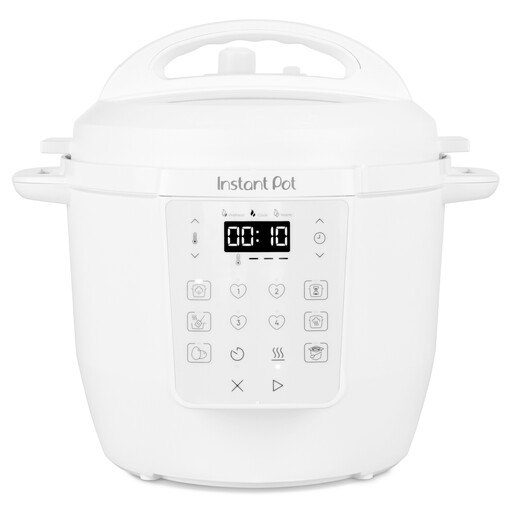
Consider this 5.7L model when the group wants to sauté ingredients and pressure-cook soup in the same appliance.
Slow-cook, steam and rice functions are also listed. Check this variant’s fill, cleaning and external-dimension information before buying; its digital controls should not be mistaken for on-screen recipe guidance.
 No image available
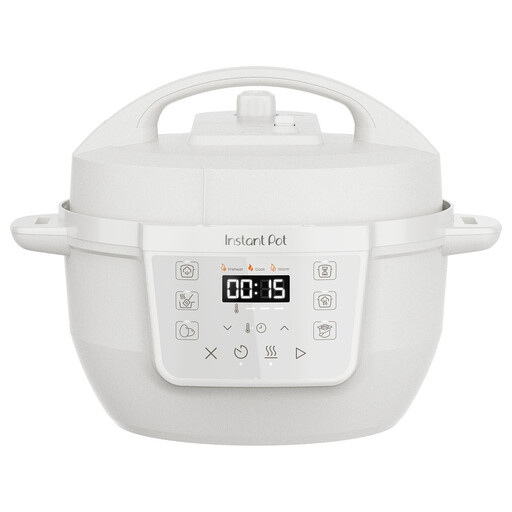
This 3.8L model is positioned for smaller households, couples or individuals, so check the planned soup quantity carefully if guests expect a shared meal or leftovers.
Pressure cooking and sautéing are listed. Follow the model’s fill limits and check its dimensions and cleaning instructions before deciding whether it suits the cottage.
A 5.7–6L model is a starting point for a shared meal: Instant Pot UK describes its Duo 5.7L as a six-portion cooker, while Tefal UK describes the Cook4me+ 6L bowl as serving up to six. Those serving descriptions are not fill limits, so check the intended soup quantity against the exact model’s instructions, especially for expanding barley.
A sauté function is useful if you want to brown chicken or soften vegetables in the cooker before pressure cooking. If you are content to prepare them separately, it is not essential; decide whether avoiding an extra pan matters in the cottage kitchen.
Let it depressurise and cool before following the cleaning instructions for the exact model. Instant Pot UK describes the Duo 5.7L cooking pot and lid as dishwasher-safe, while its manual also calls for checking that valves are unobstructed before use; do not assume those care instructions apply to a different Instant Pot variant.
An owner of a self-catering holiday home in England should check the electrical- and fire-safety duties relevant to the property. Department for Business and Trade guidance for England directs operators to electrical-safety guidance, and Home Office guidance addresses fire safety in small paying guest accommodation. These England-specific documents should not be treated as rules for every UK nation.