Weeknight lentil-soup cooks
If your recipe starts by softening vegetables or spices, a cooker with sauté and pressure-cook modes lets you use the same pot for both stages.


Choose an electric multicooker with both pressure-cook and sauté modes if you want to start lentil soup and finish it in one pot. Match the bowl and its maximum-fill limit to your usual batch, then decide whether on-screen guidance or extra cooking modes would be useful beyond soup. Check the model’s pressure-release instructions before buying.
If your recipe starts by softening vegetables or spices, a cooker with sauté and pressure-cook modes lets you use the same pot for both stages.
If you make several servings or plan leftovers, compare the stated capacity with your intended batch and the headroom required for pressure cooking.
If you would rather follow on-screen prompts, consider a guided model, but still read its instructions for filling, valves and steam release.
Start with the soup-making functions and your usual portion size. Guidance and additional programmes matter most when you expect to use them regularly.
Consider it when: Soup, stews and other one-pot meals are the main use.
Trade-off: You must choose suitable settings and follow the recipe and manual for pressure release.
Consider it when: Step-by-step prompts would help you get started with pressure cooking.
Trade-off: Check that manual settings give you the timing control your lentil recipe needs.
Consider it when: You will also use functions such as steaming, slow cooking or sous vide.
Trade-off: More modes are unnecessary if pressure cooking and sautéing cover your intended meals.
| Concern | What to check | Who this matters to |
|---|---|---|
| One-pot cooking and texture | Confirm pressure-cook and sauté modes, plus adjustable cooking time if your recipe calls for it. | If I sauté the soup base before adding lentils, I want to finish in the same pot and set a time that suits my recipe. Around 44% of consumers put this workflow and texture control first. |
| Portions and leftovers | Compare bowl capacity with your usual batch, allowing for the model’s maximum-fill limit. | For several servings and planned leftovers, I need enough room for soup without filling the cooker to the rim. Capacity is the primary need for around 33% of consumers. |
| Guidance and other uses | Look at screen guidance, the release method and additional modes you would actually use. | If pressure cooking is unfamiliar or I want the appliance for other meals, operating prompts and useful extra modes matter more to me. Around 23% of consumers prioritise this kind of convenience. |
A slow-cook or steam function does not establish that an appliance can cook under pressure.
Check the exact model’s functions for an explicit pressure-cook mode before relying on it for a pressure-cooker recipe.
Soup needs headroom during pressure cooking. The Instant Pot Duo manual, for example, limits filling to two-thirds of capacity, or one-half for foods that expand during cooking.
Use the fill instructions for your exact model and ingredients when deciding how much soup to make.
Additional programmes do not replace the pressure-cook and sauté functions needed for the intended one-pot method.
Compare simpler cookers first if those two functions cover your meals; consider specialist modes when you have other uses for them.
The Instant Pot Plus 5.7L and Duo 5.7L are different models, so instructions or features for one should not be assumed to apply to the other.
Check the full model name, delivery details and the matching manual before checkout.
The Duo 5.7L combines pressure cooking, sautéing and slow cooking with other modes in a stainless-steel inner-pot format, according to Instant Pot UK.
The Cook4me+ CY851840 is a 6L pressure multicooker with screen-led guidance and manual pressure cooking, according to Tefal UK.
The 5.6L Turbo Express combines pressure cooking with slow cooking and other programmes, according to Crock-Pot.
These choices cover smaller soup portions and larger batches, with different stated capacities and functions. Use each model’s instructions to check fill limits, liquid requirements and pressure release for your recipe.
 No image available
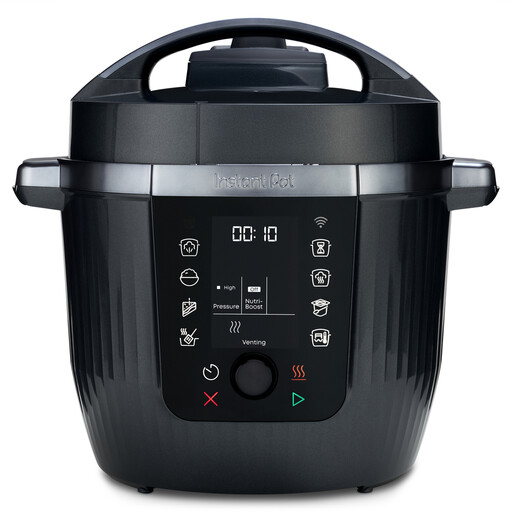
Consider this for a larger soup batch if you also want to sauté ingredients in the pot before pressure cooking.
The name specifies a 5.7L capacity, nine functions, sauté and a ceramic non-stick coating. Check the instructions for your lentils, liquid level and maximum fill.
 No image available
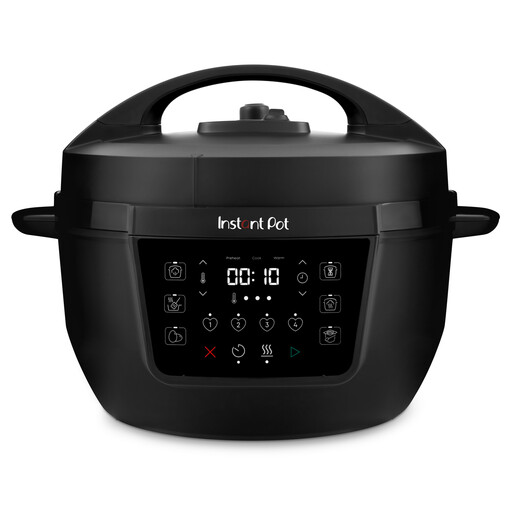
For several servings of lentil soup, compare its bowl size and available settings with the batch and texture you want.
The named variant is 5.7L with 10-in-1 functions. Check the exact model’s pressure-cook, sauté, fill and release instructions before use.
 No image available
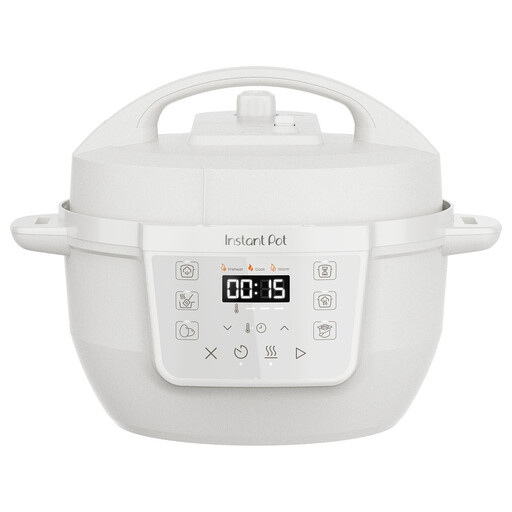
If you usually make fewer servings, compare this 3.8L variant with the amount of soup you actually cook.
Its named capacity is 3.8L. Check the exact model’s pressure-cook and sauté instructions, minimum liquid and maximum fill before choosing it for your recipe.
 No image available
Consider the larger bowl when your usual lentil-soup batch calls for more room, while allowing for the required pressure-cooking headroom.
The named variant is 7.1L with seven functions. Check storage space and the exact model’s cooking, fill and release instructions.
 No image available
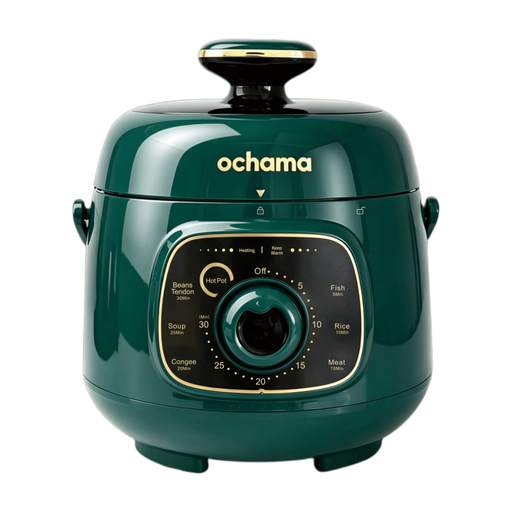
For one or two portions, compare its compact 1.8L capacity with your recipe after allowing for the fill limit.
If you want to brown vegetables in the same pot or adjust cooking time yourself, check those controls on this exact model before buying.
Prioritise an explicit pressure-cook mode and, if your recipe starts with softened vegetables or spices, a sauté mode. Adjustable cooking time is worth checking when you use different lentils or prefer a particular soup consistency; other programmes are optional for this dish.
A 5.6–6L cooker can suit several servings or planned leftovers: Instant Pot UK, Tefal UK and Crock-Pot describe their respective Duo 5.7L, Cook4me+ 6L and Turbo Express 5.6L models as serving around six people or more. For smaller batches, compare storage dimensions and the exact model’s minimum-liquid instructions.
Follow the fill limit for your exact cooker and ingredients, not the bowl’s stated capacity. The Instant Pot Duo manual says not to fill that model beyond two-thirds of capacity and limits foods that expand during cooking to one-half.
Follow the model’s release instructions and wait until internal pressure has fully dropped before opening the lid. Instant Pot’s Duo instructions also call for appropriate liquid and valve checks; keep hands and face away from escaping steam.