What matters when choosing?
Decide how much soup you need to cook within the permitted fill level, then choose controls you are comfortable using. Treat functions unrelated to soup as a separate decision.
| Concern |
What to check |
Who this matters to |
| Usable soup capacity |
Compare the exact model’s fill rules and dimensions with your planned batch; do not use its nominal litre rating as the permitted soup volume. |
If dinner needs to stretch to leftovers, I need room for chicken, stock and expanding barley without exceeding the fill limit. Around 42% of consumers put batch capacity first. |
| Controls and pressure release |
Check for pressure cooking, browning or sautéing, clear model instructions and a release procedure you can follow. |
When I am new to pressure cooking, I want guidance through the cooking stages and a release process I understand. For around 33% of consumers, that reassurance is the primary concern. |
| Everyday versatility |
Confirm the modes you would use beyond this soup and how the inner pot should be cleaned. |
If the cooker will also handle other regular meals, I care whether its additional modes earn their place in the kitchen. Broader one-pot use comes first for around 25% of consumers. |
Joybuy products for family soup
These electric pressure multi-cookers offer two vessel sizes for a family soup meal: a 5.7L option and a 7.1L option for those planning a larger batch. Check each model’s permitted fill level against your recipe before choosing by size.
 No image available
COSORI 5.7L 9-in-1 Electric Pressure Multi-Cooker, Ceramic Non-Stick
Consider this 5.7L model if you want to sauté ingredients and pressure-cook a family soup in one appliance.
Its listed functions include pressure cooking, sautéing, steaming and slow cooking; the product name also specifies a ceramic non-stick coating and recipe book. Check the model’s fill instructions against the chicken and barley recipe, and confirm its dimensions if worktop space is tight.
View on Joybuy
 No image available
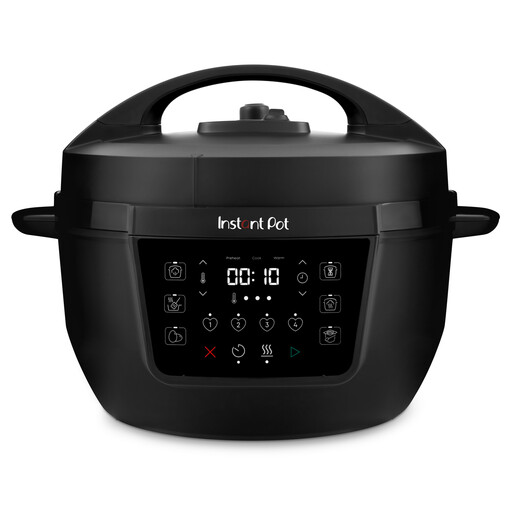
Instant Pot Multicooker XL 7.1L, 7-in-1, Black
Consider this 7.1L model if you regularly plan larger family soup batches and want to sauté before pressure cooking.
Its product name specifies seven functions, while the product information identifies pressure cooking and sautéing among them. Check the exact model’s fill instructions, dimensions and inner-pot cleaning guidance before deciding whether the larger vessel suits your kitchen.
View on Joybuy
Frequently asked questions
What size pressure cooker should I consider for family chicken and barley soup?
Start by comparing 5.7–6L models for a typical family meal: Instant Pot calls its 5.7L Duo a six-portion model, and Tefal describes its 6L Cook4me+ as making up to six servings. If you regularly need a larger batch or leftovers, consider a larger vessel, but use its permitted fill level rather than its nominal capacity to plan the recipe.
Can I fill the cooker to the top with soup?
No: leave the headroom required by your exact model’s instructions. The Instant Pot Duo manual sets a two-thirds general maximum and a one-half maximum for foods that expand, such as rice or dehydrated vegetables; check your cooker’s guidance when planning a recipe containing barley.
Does a soup programme tell me when the chicken is safe to eat?
No: a programme or timer does not replace checking that the chicken is thoroughly cooked. Follow a suitable recipe, handle raw chicken hygienically and make sure the food is steaming hot and cooked all the way through before serving, in line with the Food Standards Agency’s food-safety guidance.
Are air frying and other extra modes necessary for this soup?
No: for chicken and barley soup, start with pressure cooking, browning or sautéing, usable capacity and a release procedure you can follow. Choose extra modes if you expect to use them for other meals; Which? also considers ease of use and steam release when assessing pressure cookers.
Should I check for CE or UKCA information before buying?
Yes: check the documentation applicable to the exact appliance and its delivery region. For Great Britain, UK government guidance recognises CE marking alongside or instead of UKCA marking where the relevant regulatory requirements allow it, and electrical equipment must meet applicable safety requirements. For delivery to Northern Ireland, confirm the appropriate documentation with the seller rather than applying Great Britain guidance automatically.


