Shared-kitchen batch cooks
You want several servings of oxtail stew from one pot, but need to leave room for other people to use the worktop, cupboards and sink.


Choose an electric pressure multicooker with a sauté function if you want to brown oxtail and pressure-cook the stew in one pot. A 5.6–6L model is a starting point for batch cooking in a shared kitchen, provided its pressure-cooking fill limit and physical size suit your recipe and space. Guided controls may be worth considering if several people will use the cooker.
You want several servings of oxtail stew from one pot, but need to leave room for other people to use the worktop, cupboards and sink.
You want clear controls and a steam-release procedure you feel comfortable following. Tefal describes guided steps and automatic pressure release on its Cook4me range; check those features on the exact model.
You would rather brown oxtail and vegetables in the cooking pot before pressure cooking than use a separate pan. Instant Pot and Crock-Pot list both functions on specific multicooker models.
Start with the stew batch you intend to cook and the space available for the appliance; then decide how much help you want from its controls and cleaning features.
| Concern | What to check | Who this matters to |
|---|---|---|
| One-pot cooking | Check the exact model for both pressure cooking and browning or sautéing. | If I want to brown the oxtail before adding liquid, I would rather not wash a separate pan. Around 33% of consumers put this one-pot need first. |
| Capacity and space | Compare capacity, external dimensions and the manual’s pressure-cooking fill limit. | When cooking several portions, I need room for bone-in oxtail and liquid without leaving a bulky appliance on the shared worktop. For around 25% of consumers, batch capacity balanced against space is the primary concern. |
| Controls and steam release | Look at the model’s manual programmes, lid controls and documented pressure-release method. | If different people will use the cooker, I want each person to understand how to operate it and release pressure. Ease of use comes first for around 25% of consumers. |
| Cleaning and leftovers | Confirm which removable parts are dishwasher-safe and plan how stew will be cooled or reheated. | After a shared-kitchen meal, I want to clear the sink promptly and handle leftover stew safely. Around 17% of consumers prioritise cleaning and leftover management. |
Multicookers offer different sets of functions. A slow-cook or steam programme alone does not give you the pressure-cooking method you are shopping for.
Check for a pressure-cook programme on the exact model, and check separately for sautéing if you want to brown ingredients in the same pot.
A cooker described as suitable for several servings may hold a smaller batch of bone-in oxtail once vegetables and liquid are added. A larger cooker also needs somewhere to stand and be stored.
Check the model’s pressure-cooking fill instructions alongside its capacity, dimensions and weight before settling on a batch size.
Warming leftover stew is not the same as reheating it thoroughly. UK Food Standards Agency guidance for caterers says reheating means cooking food again, not simply warming it, and advises reheating only once.
Follow the cooker’s instructions for an effective reheating method and make sure the stew is steaming hot throughout.
Instant Pot offers pressure multicookers in several capacities for one-pot and batch cooking.
Tefal’s Cook4me range is relevant if on-screen cooking guidance and the pressure-release method influence your choice.
Crock-Pot offers pressure multicookers with functions relevant to browning and cooking stew in one vessel.
These choices focus on electric multicookers for a one-pot oxtail stew, including 5.7L options for batch cooking and a 3.8L option to consider for a smaller batch. Check each model’s pressure-cooking fill instructions before deciding how much bone-in stew to make.
 No image available
Consider this for browning ingredients and pressure-cooking a batch stew in one appliance. Its stated capacity is 5.7L, and the product name specifies a ceramic non-stick coating and recipe book. Check its dimensions against your available space and follow the model’s fill instructions for bone-in stew.
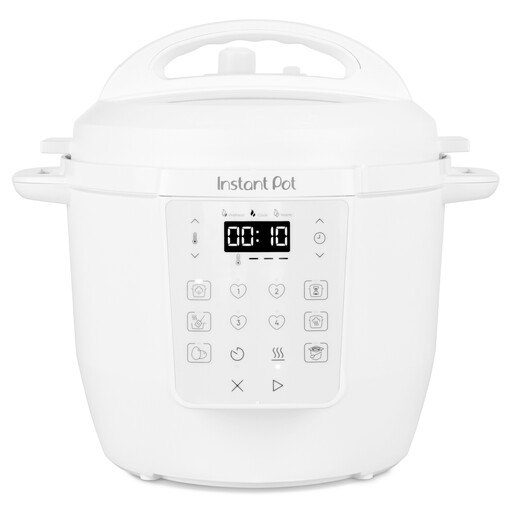 No image available
The stated 5.7L capacity makes this a model to assess for a shared-kitchen stew batch. Confirm that this Sea Salt variant has the pressure-cook and sauté programmes your method requires, then check its dimensions, fill guidance and pot-cleaning instructions.
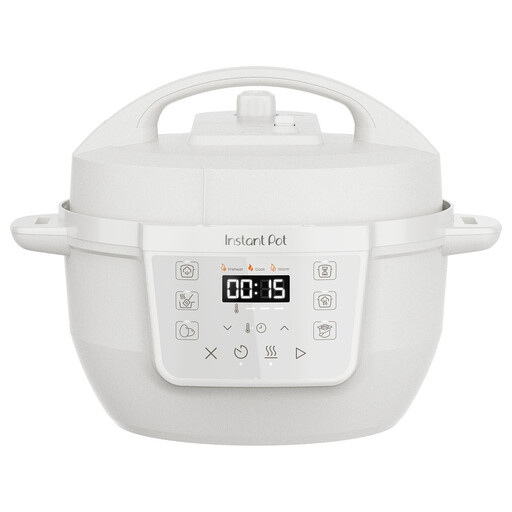 No image available
Consider the stated 3.8L capacity if you intend to make a smaller stew batch rather than fill a larger cooker. Check that this variant has the pressure-cook and sauté functions you want, and compare its pressure-cooking fill limit with the space your oxtail, vegetables and liquid will need.
Not necessarily: the batch depends on the recipe and the room taken up by bone-in oxtail, vegetables and liquid. Although manufacturers describe some cookers in this capacity range as suitable for family meals or several servings, use the exact model’s pressure-cooking fill instructions rather than a serving claim to plan your stew.
No; guided recipes are a convenience, not a requirement for choosing a pressure cooker. Tefal lists manual pressure cooking and browning as well as guided operation on its Cook4me+ CY851840, so decide whether you prefer on-screen steps or are comfortable following the selected cooker’s manual controls.
No; the stew still needs to be cooked thoroughly and the appliance used according to its instructions. GOV.UK food-business guidance gives a core temperature of 70°C for two minutes as standard cooking advice; pressure-cooker settings alone do not confirm the temperature reached at the centre of the food.
Yes, if the cooker has an appropriate method that reheats the stew effectively and you follow its instructions. UK Food Standards Agency guidance for caterers says reheated food should be steaming hot throughout and advises reheating only once; a keep-warm setting is not a substitute for thorough reheating.