Shared-kitchen batch cooks
You want stew for several meals, but need to account for worktop space, washing-up and the room your portions will take in a shared fridge.


Choose an electric cooker with a pressure-cook function, enough usable capacity for the stew you plan to store, and a place where its hot steam will not affect other kitchen users. Extra programmes matter only if you will use them; check the model’s placement and cleaning instructions, and keep raw-venison handling separate from the choice of appliance.
You want stew for several meals, but need to account for worktop space, washing-up and the room your portions will take in a shared fridge.
You want pressure cooking and controls that fit your usual cooking routine without relying on a hob throughout the meal.
You need a suitable place to operate the cooker and a preparation routine that keeps raw meat, utensils and shared surfaces away from cooked food.
Start with a permitted, clear operating position and a capacity that fits both the recipe and your fridge space; then compare cleaning arrangements and the controls you will use.
| Concern | What to check | Who this matters to |
|---|---|---|
| Worktop space and steam | Check dimensions, cord reach and the manual’s placement and pressure-release instructions. Confirm that personal appliances are permitted in the kitchen. | When others need the worktop, I need a stable place for the cooker and space to keep people clear of released steam; around 33% of consumers put shared-space and steam handling first. |
| Cleaning and raw-meat separation | Check which parts can be removed and how the lid and pot must be cleaned. Plan separate or thoroughly washed tools for raw venison. | If I prepare raw venison alongside other people’s food, I want manageable washing-up without overlooking boards and utensils; around 27% of consumers prioritise cleaning and separation. |
| Batch size and leftovers | Compare capacity with your recipe, the manual’s maximum-fill guidance and the containers and fridge space available for portions. | I want enough stew for later meals, but not more than I can portion and refrigerate; around 20% of consumers make batch size and storage their primary concern. |
| Cooking controls | Confirm a pressure-cook function and any sauté, slow-cook or adjustable settings your recipe calls for. | If browning is part of my stew routine, I want controls that accommodate it without paying attention to modes I will never use; around 20% of consumers put recipe controls first. |
A 6L cooker offers a different stated capacity from a 5.7L model, but neither figure tells you how much of your recipe can be cooked within its maximum-fill guidance or stored afterwards.
Check the recipe volume, the exact model’s fill markings, your portion containers and the fridge shelf you can use.
Cleanable cooker parts do not prevent raw venison from contacting boards, knives, handles and shared worktops. Royal Surrey NHS Foundation Trust advises changing or washing boards and utensils between raw and cooked food.
Keep raw-meat preparation separate from cooked food, clean shared surfaces and follow the cooker manual when washing its components.
A crowded worktop can put someone close to hot steam or leave the cooker on an unsuitable surface. The Instant Pot manual calls for a stable, level, non-combustible operating surface.
Read your model’s placement and release instructions before buying, and make sure its operating position leaves the vent and other kitchen users clear.
A programme count describes available functions, not how a particular batch of venison stew will turn out.
Prioritise pressure cooking, the browning method your recipe needs, suitable capacity and practical cleaning. Compare additional modes only if they fit other meals you regularly make.
The Instant Pot Classic 5.7L is a reference point if you need stated dimensions before allocating shared worktop space.
The All-in-One CY505E40 is relevant if you want a 6L pressure cooker with preset and adjustable cooking options.
The Foodi MAX 11-in-1 SmartLid OL550UK suits consideration when pressure cooking is one of several cooking methods you intend to use.
These choices include a 1.8L cooker for smaller portions and two 5.7L multi-cookers to consider for larger stew plans. Match the stated capacity to your recipe and the space available to operate and store the cooker.
 No image available
Consider this 5.7L cooker if your stew routine includes a sauté step before pressure cooking. Its title specifies a ceramic non-stick coating; check the cooker’s dimensions, cord reach and cleaning instructions against your shared-kitchen arrangements.
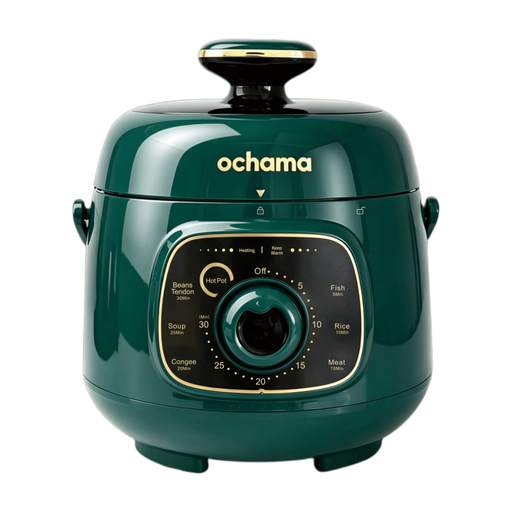 No image available
Its stated 1.8L capacity makes recipe volume especially important if you want leftovers. Check the maximum-fill guidance, exact dimensions, cord reach and washing instructions before planning where it will be used.
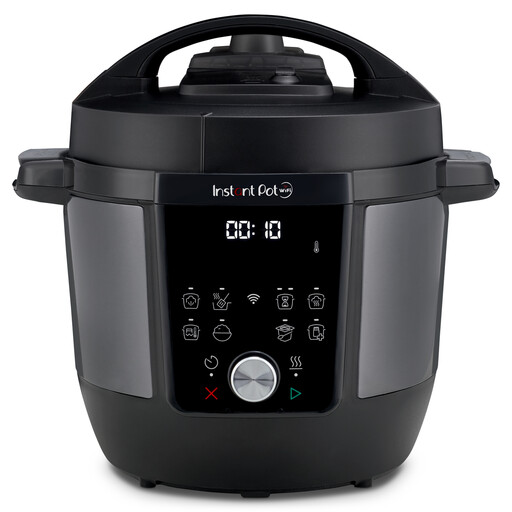 No image available
Consider this 5.7L option if you want to prepare a stew with a browning stage. Check that its pressure-cook and sauté controls fit your recipe, and confirm its dimensions, cord reach and cleaning instructions for your shared space.
Confirm that personal countertop appliances are permitted and that you have a stable, clear place to use yours. Follow the exact model’s placement instructions, check the plug and cable, and keep other users clear of hot surfaces and released steam. The Health and Safety Executive advises checking that electrical equipment is suitable for its supply.
Use only a lid approved for your exact cooker. The Instant Pot 5.7L manual specifies the lid supplied with that cooker base; if a lid is missing or damaged, follow the manufacturer’s instructions for a compatible replacement rather than trying another cooker’s lid.
Keep raw venison and its preparation tools away from cooked food, and wash or change boards and utensils between stages. Royal Surrey NHS Foundation Trust gives this advice to reduce cross-contamination; clean shared worktops too, and do not treat a cooker preset as proof that a particular stew is thoroughly cooked.
Portion and refrigerate stew you will not eat rather than leaving it on the shared worktop. Royal Brompton and Harefield hospitals advise against leaving cooked food cooling at room temperature for more than an hour and advise reheating it until piping hot throughout.