Small-kitchen stew cooks
If you usually cook venison stew for one or two people, compare the cooker’s external measurements and usable bowl space with your worktop, storage position and recipe quantity.


For venison stew in a small kitchen, start by matching the cooker’s external dimensions and usable pressure-cooking capacity to your space and usual batch size. A compact 3.8L cooker is a starting point for smaller meals; consider a larger bowl for planned leftovers only if you have room to open the lid and direct steam safely. Whichever size you choose, follow that model’s liquid, maximum-fill and pressure-release instructions.
If you usually cook venison stew for one or two people, compare the cooker’s external measurements and usable bowl space with your worktop, storage position and recipe quantity.
If you want a larger stew batch, a multicooker with pressure-cooking and other cooking modes may suit you, provided its bowl and body fit the space available.
If you cook larger quantities and also want modes such as air frying or grilling, a 7.5L multicooker is worth considering—but only after checking where you will use and store it.
Decide how much stew you actually make, then check usable bowl capacity and the space needed around the appliance. Instant Pot UK lists its Classic Mini at 3.8L, Tefal UK lists a 4.8L Turbo Cuisine model, and Ninja UK lists a 7.5L Foodi MAX; bowl size alone does not establish worktop fit.
| Concern | What to check | Who this matters to |
|---|---|---|
| Space and stew quantity | Compare external dimensions, lid-opening space and the pressure-cooking maximum-fill line with your available space and usual batch. | If worktop space is tight, I need the cooker to fit without giving up room for the stew I normally make. Around 42% of consumers put space and usable capacity first. |
| One-pot cooking and leftovers | Check for pressure cooking and, if your recipe calls for browning, a sauté function; size the bowl for the portions you intend to keep. | I want to brown ingredients and cook a batch that leaves enough for another meal. For roughly 33% of consumers, that stew-making workflow and leftover capacity come first. |
| Pressure use and cleaning | Read the model’s liquid, filling, valve and release instructions, and check how its pot and lid are cleaned. | Before making meat stew under pressure, I want clear release instructions and parts I can maintain properly. Safe operation and cleaning are the main concern for about 25% of consumers. |
Nominal bowl capacity is not the amount of stew you can pressure-cook. Ingredients and liquid must stay below the model’s specified fill limit; Instant Pot’s cited guidance uses a PC Max two-thirds line.
Compare your recipe volume with the inner-pot marking before deciding that a compact bowl will hold your usual batch.
Pressure cooking needs the liquid specified for the appliance. Instant Pot’s Classic Mini guidance calls for water-based liquid, so a recipe intended for another cooking method may need adapting.
Follow a recipe suitable for your exact cooker and check its minimum-liquid instruction before starting the pressure programme.
A manufacturer’s speed comparison does not tell you when a particular cut and quantity of venison stew will be ready.
Use an appropriate recipe and check the finished food rather than relying on the end of the programme alone.
Hot steam and liquid can scald if the lid is forced open or the cooker is moved while pressurised.
Learn the model’s release procedure, keep clear of the steam path and wait for its pressure indicator to show that opening is safe.
Instant Pot UK’s Classic Mini 3.8L illustrates a compact multicooker with pressure-cook, sauté, slow-cook and steam functions.
Tefal UK’s 4.8L Turbo Cuisine line offers a mid-capacity option for stew and other one-pot cooking.
Ninja UK’s 7.5L Foodi MAX OP450UK illustrates a larger cooker combining pressure cooking with modes including air frying and grilling.
These electric pressure-cooker choices range from a 1.8L small-batch model to 5.7L multicookers for larger stews. Check each model’s measurements, fill limit and instructions against your kitchen and recipe; capacity is not a measure of worktop footprint.
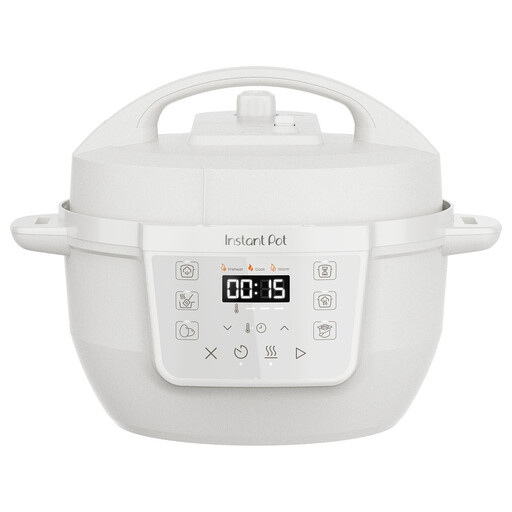 Image unavailable
Consider this 3.8L option if you usually make smaller stew batches. Before buying, compare its external measurements with your available space; before cooking, follow its own liquid and maximum-fill instructions.
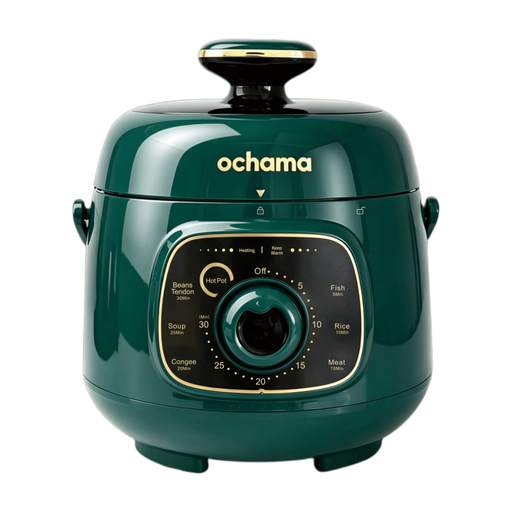 Image unavailable
The 1.8L capacity makes this an option to assess for a small stew batch, subject to its pressure-cooking fill limit. Check its measurements and liquid instructions, and confirm a sauté function if browning in the same pot matters to your recipe.
 Image unavailable
If you plan larger stews or leftovers, compare this 5.7L model with the room you have to use and store it. Its product title lists sauté and a ceramic non-stick coating; check the model’s liquid and maximum-fill instructions before pressure cooking.
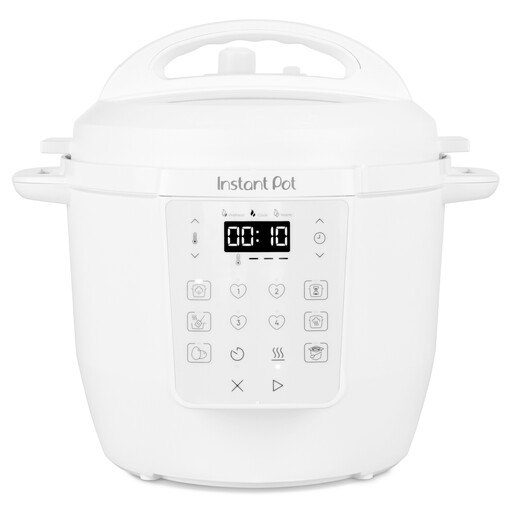 Image unavailable
Consider the 5.7L capacity if your intended stew batch exceeds what a smaller pot can hold below its fill line. Check this model’s external measurements, steam clearance and own pressure-cooking instructions rather than applying guidance for another Instant Pot model.
Choose capacity for your usual batch after checking where the cooker will sit. Instant Pot UK markets its 3.8L Classic Mini for up to four portions, while a larger bowl may suit planned leftovers; in either case, the pressure-cooking fill line limits how much stew you can put in it.
You need a sauté function in the cooker only if you want to brown ingredients in the same pot. Otherwise, choose a recipe that does not require browning or use a separate pan, then follow the cooker’s liquid instructions before pressure cooking.
Open it only after pressure has fully released, following the exact model’s instructions and pressure indicator. Keep clear of escaping steam and never force the lid; Instant Pot’s cited guidance also requires water-based liquid and observance of its PC Max fill line.
No: check the food itself and follow the recipe or pack instructions. GOV.UK food-hygiene guidance for businesses gives 70°C for two minutes as standard cooking advice and describes checking the centre with a clean probe thermometer; a cooker preset alone does not establish that result.